

Bangladesh has a rich and varied tea culture. For some people, tea means a strong cup of milk tea from a neighbourhood tea stall. For others, it means carefully brewed green tea, aromatic orthodox leaves, delicate white tea or a fragrant oolong infusion.
If you search for the best tea in Bangladesh, types of tea in Bangladesh, Bangladesh tea varieties or premium tea online, you will find many names and descriptions. The challenge is understanding how these teas are actually different and which one suits your taste, brewing habit, budget and occasion.
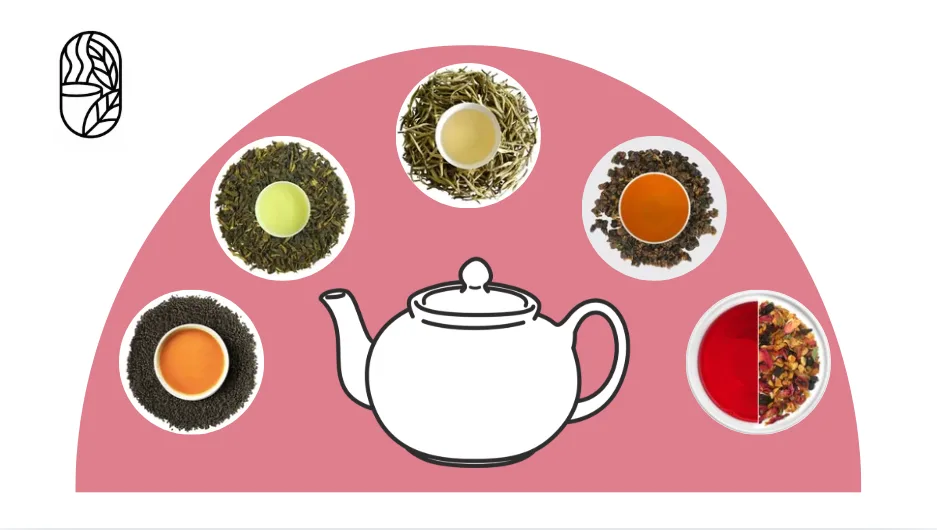
This Bangladesh Tea Guide explains five important tea styles:
- CTC Black Tea
- Green Tea
- Orthodox Tea
- White Tea
- Oolong Tea
All five can come from the same tea plant, Camellia sinensis. What makes them different is the way the leaves are picked, handled, processed, oxidised, dried, graded and brewed.
The best tea is not the same for everyone. A person who enjoys strong milk tea may prefer CTC tea, while someone who drinks tea without milk may prefer green, white or orthodox tea. Oolong can be a good choice for people who want a more aromatic and evolving cup.
Quick Answer: Which Tea Is Best for You?
Choose CTC Black Tea if you want:
- Strong colour
- Fast brewing
- Bold flavour
- Milk tea with sugar
- Everyday tea-stall-style strength
Choose Green Tea if you want:
- A fresh and lighter cup
- Gentle vegetal or grassy notes
- A tea usually served without milk
- A shorter, more careful brewing method
- A refreshing daytime drink
Choose Orthodox Tea if you want:
- Visible loose leaves
- More aroma and tasting detail
- A slower brewing experience
- Plain tea or lightly milked tea
- A fuller exploration of Bangladesh-origin leaf tea
Choose White Tea if you want:
- A delicate and subtle cup
- Soft aroma
- Light body
- Gentle sweetness
- A tea that rewards careful brewing
Choose Oolong Tea if you want:
- A fragrant and layered cup
- A style between green and black tea
- Multiple aroma changes during brewing
- Floral, fruity, roasted or creamy tasting notes
- A tea for relaxed tasting sessions
There is no universal number-one tea. Your best choice depends on strength, aroma, milk preference, brewing time, caffeine sensitivity, pack size and the occasion for drinking.
What Is CTC Black Tea?
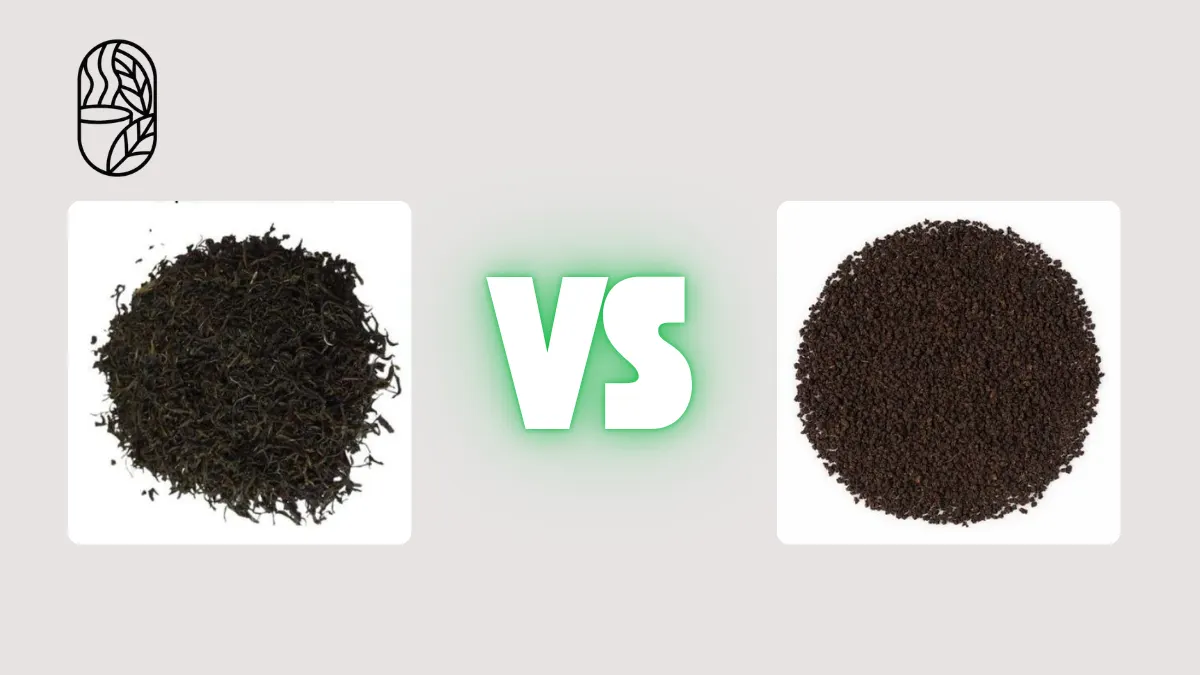
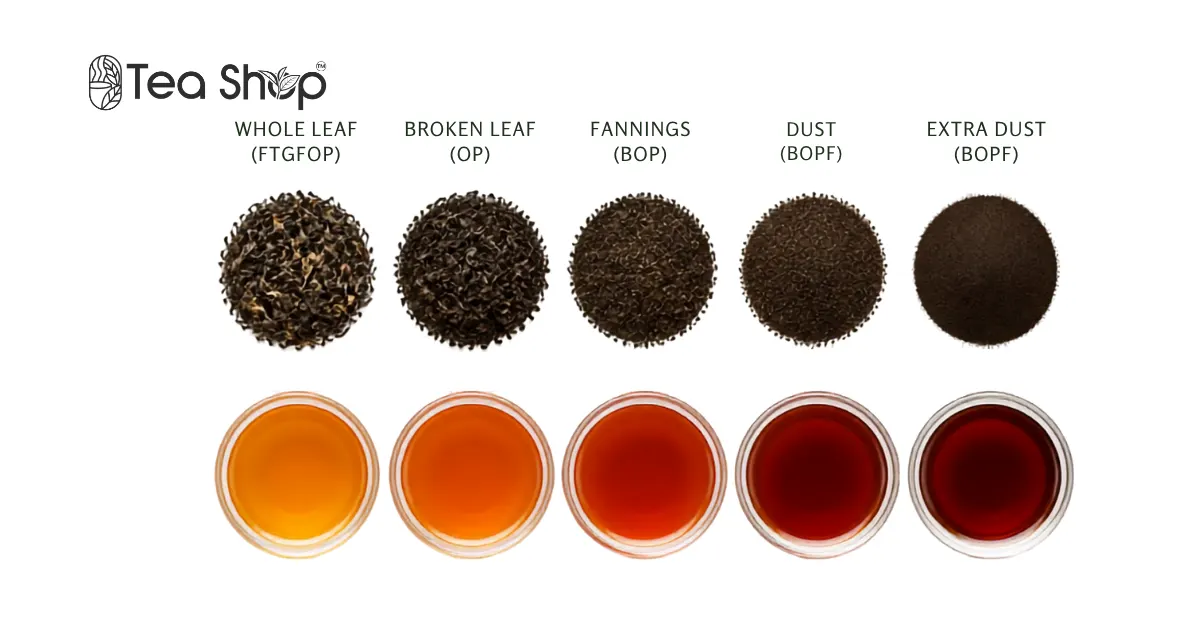
CTC stands for Crush, Tear, Curl. In this method, tea leaves are processed into small, even granules. Because the particles are relatively small, they release colour and strength quickly when placed in hot water.
CTC Black Tea is one of the most familiar tea styles in Bangladesh. It is commonly used for strong milk tea, breakfast tea and quick everyday brewing. The cup often has a deep colour, noticeable strength and enough body to remain present after milk and sugar are added.
CTC Black Tea Taste and Appearance
CTC tea usually has:
- Small granules instead of large leaves
- Quick colour release
- Stronger liquor
- Bold aroma
- Brisk or robust taste
- Good compatibility with milk and sugar
The final character depends on the tea region, leaf quality, processing, blend and brewing method. Not every CTC tea tastes the same. Some are smoother and more balanced, while others are stronger and more brisk.
How to Brew CTC Black Tea
For plain CTC tea, add a measured amount to hot water and steep until the colour and strength suit your taste. For Bangladeshi milk tea, the tea is commonly simmered with water before milk and sugar are added.
Because CTC granules release flavour quickly, over-brewing can make the cup harsh or excessively bitter. Begin with a moderate quantity and adjust gradually.
Who Should Choose CTC Black Tea?
CTC Black Tea may suit:
- People who drink milk tea every day
- Families that prepare several cups at once
- Customers who prefer strong colour
- Tea-stall-style tea drinkers
- People who want fast brewing
- Buyers looking for a practical everyday tea
Explore the Tea Shop BD CTC Black Tea collection if you prefer a bold, quick-brewing tea base.
What Is Green Tea?
Green Tea is made from tea leaves that receive limited oxidation after harvesting. The leaves are heated, shaped, dried or otherwise handled in a way that helps preserve a fresher leaf character.
Green tea can be produced in different shapes and styles. Some products contain curled leaves, flat leaves, needle-like leaves, rolled leaves or tightly formed pieces. The final appearance depends on the cultivar, harvest, processing method and producer.
Green Tea Taste and Appearance
Green Tea may offer:
- Fresh vegetal aroma
- Light grassy or leafy notes
- A clean finish
- Gentle sweetness
- Mild briskness
- Pale green, yellow or golden liquor
Some green teas are soft and delicate, while others are brighter, sharper or more aromatic. Brewing has a major effect. Water that is too hot or steeping that is too long may produce bitterness.
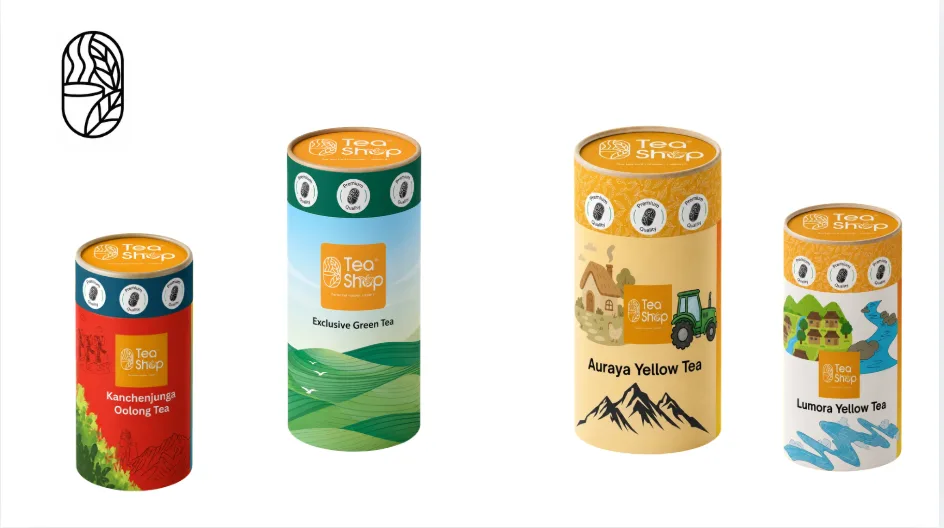
How to Brew Green Tea
Use fresh water that is hot but not aggressively boiling. Start with the brewing temperature and time shown on the product page. If no specific instruction is available, use a moderate temperature and a shorter steeping period.
Taste the tea before making adjustments. If it is bitter, lower the temperature or shorten the steep. If it is weak, use slightly more leaf or add a little time in the next cup.
Green Tea is often served without milk. Lemon may be added according to personal preference.
Who Should Choose Green Tea?
Green Tea may suit:
- People who prefer lighter tea
- Customers who enjoy fresh and vegetal flavour
- Those who usually drink tea without milk
- Daytime tea drinkers
- People who enjoy careful brewing
- Customers exploring Bangladesh-origin specialty tea
Explore Tea Shop BD’s Green Tea collection for available local products, pack sizes and brewing guidance.
What Is Orthodox Tea?
Orthodox Tea refers to tea made through traditional leaf-handling methods that aim to retain more of the leaf’s natural structure. Depending on the tea style, the leaves may be withered, rolled, oxidised, dried and graded in different ways.
Orthodox processing is not limited to one colour of tea. Black, green, white and oolong teas can all be made using traditional methods, provided the processing approach matches the intended style.
Orthodox Tea Taste and Appearance
Orthodox Tea generally contains more visible leaf structure than tea dust or small CTC granules. It may offer:
- Layered aroma
- More visible leaves
- Smoother mouthfeel
- A longer tasting experience
- Balanced strength
- A clean or lingering finish
The flavour can be floral, fruity, malty, woody, brisk, sweet or gently roasted depending on the tea. It is not correct to assume that every orthodox tea is light or every orthodox tea is premium. The actual leaf, grade and processing still matter.
Bangladesh-Origin Orthodox Tea
Bangladesh-origin orthodox tea can come from different local sourcing areas. Depending on the product, relevant regional references may include Panchagarh, Lalmonirhat, Sreemangal and Chattogram.
Tea Shop BD may source tea through auctions, gardens or producers, but the exact statement must match the product information for each pack. Customers should read the product page for confirmed origin, tea type, pack weight and brewing recommendations.
How to Brew Orthodox Tea
Orthodox tea usually benefits from enough space for the leaves to open. Use a teapot, infuser or strainer that allows the leaves to expand.
Start with the product’s recommended quantity and steeping time. A general starting point may be 2–3 grams for 200 ml of water and approximately 3–4 minutes, but the correct method can vary significantly.
Some orthodox teas may be suitable for a second infusion. This depends on the leaf and product instructions, so repeated brewing should not be assumed for every pack.
Who Should Choose Orthodox Tea?
Orthodox Tea may suit:
- Loose-leaf tea drinkers
- People who enjoy aroma and flavour detail
- Customers who prefer plain tea
- Tea enthusiasts exploring local regions
- Buyers who want a slower brewing ritual
- People comparing specialty tea styles
Visit the Tea Shop BD Orthodox Tea collection to explore available Bangladesh-origin products.

What Is White Tea?
White Tea is generally made from young buds and leaves that receive minimal handling compared with more heavily processed tea styles. The leaves may be gently withered and dried, allowing a soft and delicate character to remain.
White tea is usually lighter in body than CTC or strong black tea. Its subtle nature means that brewing temperature, water quality and steeping time can make a significant difference.
White Tea Taste and Appearance
White Tea may offer:
- Soft floral aroma
- Gentle sweetness
- Light body
- Delicate herbal notes
- Pale gold or light amber liquor
- A smooth and quiet finish
Some white teas contain visible buds, while others contain a combination of young leaves and buds. The appearance depends on the product and grade.
How to Brew White Tea
White Tea generally benefits from gentle brewing. Use the recommended temperature and steeping time shown on the product page. Avoid automatically using aggressively boiling water because it may overpower the delicate aroma.
Begin with a shorter infusion, taste the liquor and then adjust. White tea is often served plain so that its natural character remains clear.
Who Should Choose White Tea?
White Tea may suit:
- People who prefer delicate flavours
- Customers who enjoy subtle aroma
- Tea drinkers who dislike strong bitterness
- Buyers interested in young buds and fine leaves
- Those who enjoy slow, careful brewing
Explore Tea Shop BD White Tea collection to compare available products and pack sizes.
What Is Oolong Tea?
Oolong Tea is made using a partially oxidised processing approach. It sits between the more limited oxidation commonly associated with green tea and the fuller oxidation associated with black tea, although the exact level can vary.
Oolong is not defined by one single taste. Some oolongs are light, floral and fresh, while others are deeper, roasted, fruity or creamy in character.
Oolong Tea Taste and Appearance
Oolong Tea may offer:
- Floral aroma
- Fruity or sweet notes
- Light roasted character
- Smooth body
- Layered finish
- Changing flavours across infusions
The leaves may be rolled into balls, twisted into strips or shaped in another way. The appearance depends on the processing and style.
How to Brew Oolong Tea
Use the product’s brewing instructions because oolong styles vary widely. Give rolled leaves enough space to open. Some oolongs can be brewed several times, but the number of useful infusions depends on the leaf, quantity, water and steeping method.
Taste the first infusion carefully and adjust the next one according to strength and aroma.
Who Should Choose Oolong Tea?
Oolong Tea may suit:
- People who enjoy aromatic tea
- Customers interested in repeated tasting
- Those who want something between green and black tea
- Tea drinkers who enjoy floral or roasted notes
- Buyers exploring specialty loose-leaf tea
Explore the Tea Shop BD Oolong Tea collection for current Bangladesh-origin selections.
How These Five Tea Styles Are Different
The most useful difference is not simply colour. Processing changes how quickly the tea brews, how much structure the leaf retains and how the flavour develops.
CTC Black Tea is designed for fast extraction and strength.
Green Tea focuses on a fresher leaf character and usually needs gentler brewing.
Orthodox Tea preserves more visible leaf structure and often encourages slower tasting.
White Tea is generally delicate and requires careful handling.
Oolong Tea uses partial oxidation to create a wide range of aromas and body.
These are broad descriptions. A specific product may taste different because of region, cultivar, harvest, grading, processing, packaging and storage.
Choosing Tea by Drinking Occasion
For Morning Milk Tea
CTC Black Tea is usually the most practical choice when you want strength, quick colour, milk and sugar.
For Plain Morning Tea
Leaf Black Tea, Green Tea or Orthodox Tea may suit a plain morning cup, depending on whether you prefer a fresh, aromatic or fuller taste.
For Afternoon Tasting
Oolong, White Tea or a carefully processed Orthodox Tea can be suitable when you have time to notice aroma and flavour changes.
For Family Serving
CTC Black Tea or a fuller Leaf Black Tea may work well when preparing several cups for family members or guests.
For Tea Discovery
Tea Trial Packs allow you to compare different styles before buying a larger pack. Check the exact contents of each available pack before ordering.
Choosing Tea by Milk Preference
If you always drink tea with milk and sugar, choose a product with enough strength to remain present after milk is added. CTC Black Tea is the most common starting point.
If you use only a small amount of milk, Leaf Black Tea or some orthodox black teas may offer a more aromatic experience.
If you prefer tea without milk, Green Tea, White Tea, Oolong Tea and many Orthodox Tea products can be explored according to their brewing instructions.
Do not add milk automatically to every tea type. Delicate green or white teas may be better appreciated without it.
Choosing Tea by Brewing Time
Choose CTC Black Tea when you need a fast cup.
Choose Green Tea or White Tea when you are comfortable using a shorter, gentler infusion.
Choose Orthodox Tea when you enjoy measuring leaves and observing the cup as it develops.
Choose Oolong Tea when you enjoy repeated tasting and changing aroma.
The product instructions always take priority because tea strength varies from one pack to another.
Tea Freshness, Storage and Pack Size
Freshness affects aroma and taste across all tea styles. After opening a pack, keep the leaves away from moisture, sunlight, heat and strong odours.
An airtight container is useful for loose tea. Use a dry spoon and avoid storing tea beside spices, coffee, onions or other strongly scented ingredients.
Choose a smaller pack if you are trying a style for the first time. Choose a larger pack only when the flavour suits your household and you can store it properly.
How to Compare Tea Value in Bangladesh
When comparing prices, look beyond the total number on the product page. Consider:
- Net weight
- Leaf grade
- Tea type
- Bangladesh origin
- Processing description
- Packaging quality
- Brewing yield
- Available variations
- Storage requirements
- Current stock and delivery
A larger pack may cost more but offer a lower cost per gram. A smaller trial pack may be better value when you are still learning your preference.
Price alone cannot tell you whether a tea is right for your cup.
Is Bangladesh-Origin Tea Suitable for Specialty Tea Drinkers?
Yes, Bangladesh-origin tea can be explored across different processing styles. The most important questions are not whether the tea has an imported-sounding name, but whether the product description accurately states its origin, type, processing, pack size and brewing method.
Panchagarh and Lalmonirhat are important references for northern tea production, while Sreemangal and Chattogram are also significant in Bangladesh’s tea landscape. Exact origin should remain product-specific.
Tea Shop BD’s goal should be to present local tea confidently without pretending that a Bangladesh-origin product is imported or identical to a famous foreign tea.
Tea Buying Guide for Online Customers
Before adding a tea to your cart, check:
- What tea style is it?
- Is it CTC, leaf, orthodox, green, white or oolong?
- Is it Bangladesh-origin?
- Is it suitable for milk?
- What pack sizes are available?
- What brewing temperature and time are recommended?
- How should it be stored?
- Is the current stock status clear?
- Is the product image consistent with the description?
- Are the price and delivery details visible?
If you are unsure, start with a smaller pack or a suitable Tea Trial Pack. This reduces the risk of buying a large quantity before understanding the flavour.
Frequently Asked Questions About Tea Types in Bangladesh
What are the main types of tea in Bangladesh?
Commonly available styles include CTC Black Tea, Leaf Black Tea, Green Tea, Orthodox Tea, White Tea, Oolong Tea, Yellow Tea, Herbal Tea, Flavoured Tea and Flower Tea blends. The exact availability depends on the shop and current stock.
Which tea is most popular in Bangladesh?
Strong black tea, especially CTC-style tea, is widely used for milk tea and everyday drinking. However, Green Tea, Orthodox Tea, White Tea, Oolong Tea and specialty blends are also popular among customers with different preferences.
What is the best tea in Bangladesh?
There is no single best tea for every person. CTC Black Tea may be best for strong milk tea, Green Tea for a fresh lighter cup, Orthodox Tea for loose-leaf aroma, White Tea for delicacy and Oolong Tea for layered tasting.
Which tea is best for milk tea?
CTC Black Tea is usually the most practical option because it releases strength and colour quickly. Some Leaf Black Tea and Orthodox Black Tea can also be used, but their brewing method may be different.
Which tea should I drink without milk?
Green Tea, White Tea, Oolong Tea and many Orthodox Tea products are commonly served without milk. The correct choice depends on your preferred aroma, body and brewing style.
Is Orthodox Tea only black tea?
No. Orthodox processing can be used for different tea styles, including black, green, white and oolong tea. Check the product description for the exact tea type.
Is green tea healthier than black tea?
It is not appropriate to rank one brewed tea as universally healthier. Green and black tea have different processing methods, flavour profiles and caffeine characteristics. Choose according to taste and personal routine rather than unsupported health promises.
Does white tea always contain less caffeine?
Caffeine levels vary according to leaf material, quantity, brewing time and water temperature. Do not assume a fixed caffeine level for every white tea product.
Can I mix different tea types together?
You can experiment with blends, but the result may be unbalanced. Green, white, oolong and black teas often require different brewing conditions. Start with a small amount and avoid mixing valuable specialty teas before understanding their individual flavour.
Can tea leaves be reused?
Some loose-leaf teas may produce more than one enjoyable infusion. This depends on the tea style, leaf quality and brewing method. Follow product-specific guidance and do not store wet leaves unrefrigerated for a long time.
How should tea be stored in Bangladesh?
Use an airtight container and keep the tea away from humidity, sunlight, heat and strong odours. Bangladesh’s humid weather makes dry storage especially important.
How do I choose tea for guests?
For a large group, choose a tea style that matches the guests’ preference. CTC Black Tea is practical for milk tea. Leaf Black Tea or Orthodox Tea can be served plain. Tea Trial Packs are useful for smaller tasting occasions.
Where can I buy tea online in Bangladesh?
Tea Shop BD allows customers to explore available tea types, pack sizes, current product information and delivery options online. Check the relevant product page before ordering.
Conclusion
The main tea styles sold in Bangladesh are not simply different names on a shelf. CTC Black Tea, Green Tea, Orthodox Tea, White Tea and Oolong Tea are shaped by different processing methods, leaf structures, oxidation levels, brewing approaches and serving habits.
CTC tea is practical for strong milk tea. Green Tea offers a fresh and lighter experience. Orthodox Tea allows customers to explore visible leaves and detailed aroma. White Tea is delicate and subtle. Oolong Tea creates a wide range of floral, fruity, roasted and layered profiles.
Instead of asking which tea is universally best, ask which tea matches your taste, daily routine, milk preference, brewing time, budget and experience level.
Tea Shop BD helps customers explore Bangladesh-origin tea with clear product information, available pack sizes and delivery across Bangladesh. Read the product page, follow its brewing guidance and choose the tea that you will genuinely enjoy drinking.