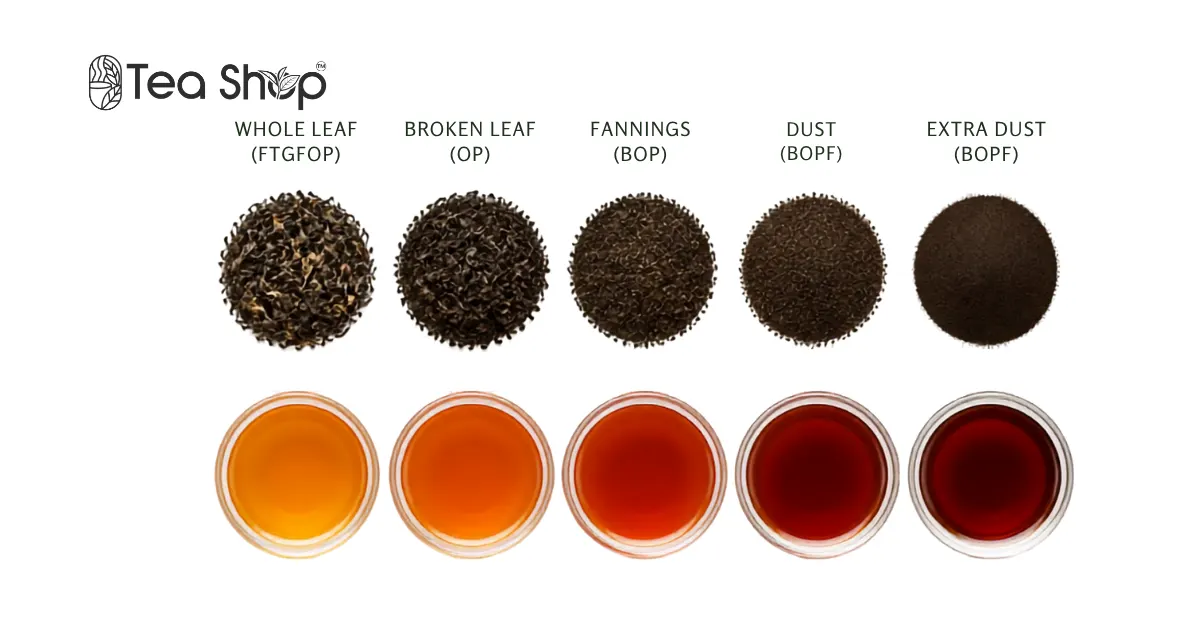

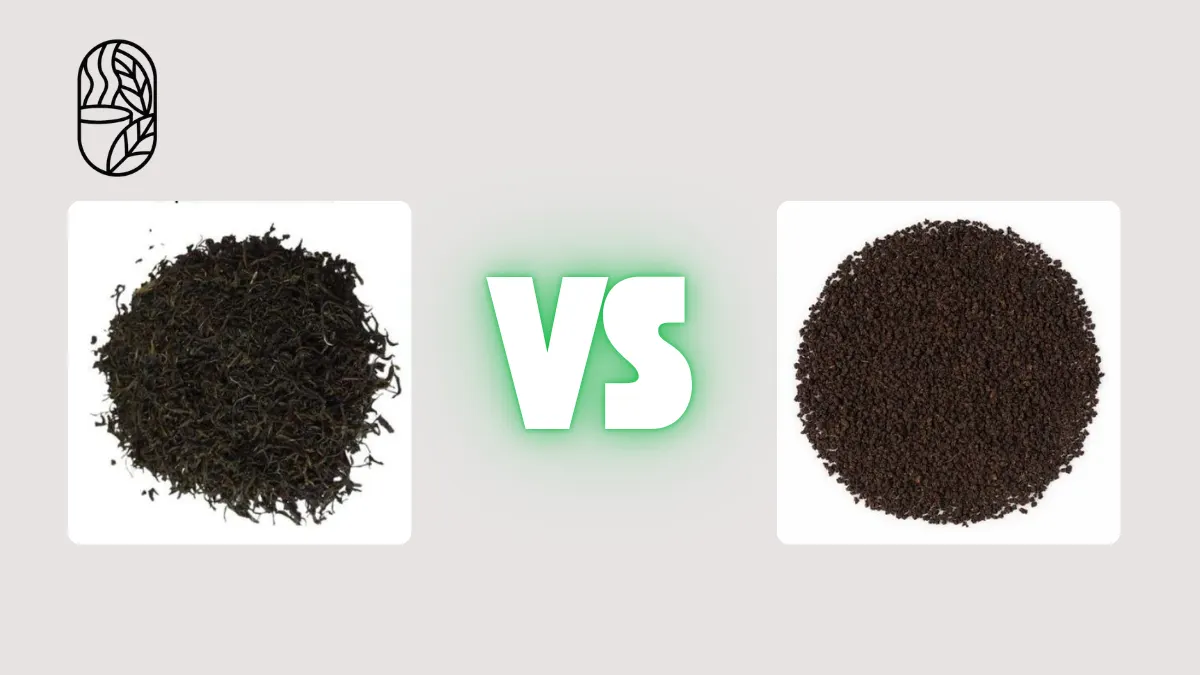
Orthodox tea and CTC tea are both black tea styles, but they are made differently and create very different drinking experiences.
If you enjoy a strong cup of dudh cha that gives colour quickly, CTC tea may suit your routine. If you prefer visible loose leaves, aroma and a slower cup, orthodox tea may be the better choice.
For Bangladesh tea buyers, the difference matters because many households, offices, tea stalls and online customers are not looking for the same thing. One person may want a bold tea that works with milk and sugar. Another may want to notice the leaf, aroma and changing flavour of a plain cup.
The most important point is simple: orthodox tea is not automatically better than CTC tea, and CTC tea is not automatically lower quality. They are made for different cup styles.
This guide explains the real difference between orthodox tea and CTC tea, how each one is processed, what they taste like, which one works best with milk and how to choose the right Bangladesh-origin tea for your home.
Quick Answer: Orthodox Tea vs CTC Tea
Choose CTC tea when you want:
- Strong colour in a short time
- Bold flavour
- Reliable milk tea
- Fast brewing
- Everyday family tea
- Tea-stall-style dudh cha
Choose orthodox tea when you want:
- More visible leaf character
- Aroma-led tea drinking
- A smoother, slower cup
- Plain tea without milk
- More control over steeping
- A tea that may be suitable for repeat infusions
Both can be Bangladesh-origin and both can be sourced through approved auctions, gardens, producers or verified suppliers.
What Does “Orthodox Tea” Mean?
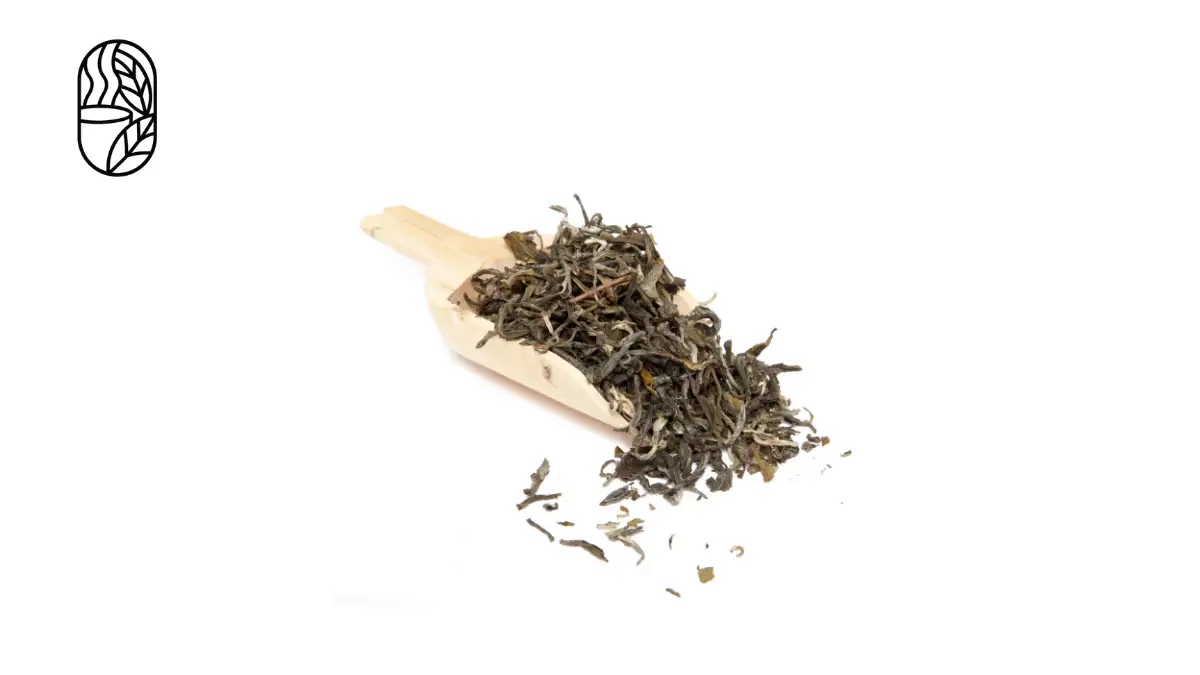
Orthodox tea is made through a traditional leaf-handling process where the tea leaf is usually rolled, shaped and oxidised with greater attention to leaf appearance.
The final dry tea often contains recognisable twisted, rolled, wiry or broken leaf pieces. The exact appearance depends on the garden, season, leaf grade and intended tea style.
Orthodox tea is commonly chosen by people who enjoy looking at the dry leaf, noticing aroma before brewing and tasting how the cup changes as it cools.
A typical orthodox tea experience may include:
- Visible loose leaves
- A gradual release of flavour
- Distinct aroma
- Medium to layered body
- A cleaner finish
- More variation between batches
Bangladesh-origin orthodox tea may be connected with northern tea-growing areas such as Panchagarh and Lalmonirhat, as well as other verified local sources. The exact origin and processing details should always be confirmed on the product page.
What Does “CTC Tea” Mean?
CTC stands for Crush, Tear, Curl.
It is a processing method that turns tea leaves into small, even granules or particles. This structure is designed to extract flavour, colour and strength quickly in hot water.
CTC tea is especially practical for milk tea because it produces a strong liquor that can remain noticeable after milk and sugar are added.
In Bangladesh, CTC tea is widely associated with:
- Everyday black tea
- Strong milk tea
- Dudh cha
- Tea stalls
- Restaurants
- Office tea service
- Family gatherings
CTC tea may be sourced through tea trade routes connected with Sreemangal and Chattogram, as well as direct suppliers and verified local sources, depending on the specific product.
The Core Difference Is the Processing Method
The main difference between orthodox tea and CTC tea is not simply leaf size. It begins with how the fresh tea leaves are processed.
How Orthodox Tea Is Processed
Orthodox tea processing usually involves careful leaf handling. The leaves may be withered, rolled, oxidised, dried and sorted according to the intended tea type and grade.
The rolling stage helps shape the leaf and influence how it releases flavour during brewing.
Because leaf structure remains more visible, orthodox tea often takes longer to extract than CTC tea. The tea drinker can adjust the result by changing the amount of leaf, water temperature and steeping time.
How CTC Tea Is Processed
In CTC processing, tea leaves pass through rollers that crush, tear and curl the leaves into small particles.
This smaller structure allows water to reach the tea quickly. The result is usually a fast-brewing black tea with strong colour and body.
CTC tea is often the practical choice when you need several cups of milk tea in a short time.
Orthodox Tea vs CTC Tea: Side-by-Side Comparison
| Feature | Orthodox Tea | CTC Tea |
|---|---|---|
| Processing style | Rolled and shaped leaf processing | Crush, Tear, Curl processing |
| Dry leaf appearance | Larger, twisted or visible leaf pieces | Small granules or particles |
| Brewing speed | Moderate to gradual | Fast |
| Cup character | Aroma-led and layered | Bold and direct |
| Colour release | Gradual | Quick |
| Best for | Plain tea and slow tasting | Milk tea and daily use |
| Milk compatibility | Depends on the tea | Usually very suitable |
| Re-steeping | Often more suitable | Usually limited |
| Brewing control | High | Simple and fast |
| Common buyer preference | Aroma and leaf character | Strength and convenience |
The table explains typical behaviour. Individual products can still vary according to grade, freshness, season, storage and brewing method.
Taste Difference: What Will You Notice in the Cup?
CTC tea and orthodox tea can both taste good, but they usually express flavour differently.
Orthodox Tea Taste
Orthodox tea often gives a slower, more detailed cup.
You may notice:
- Fragrance before the first sip
- A smoother middle taste
- Changing flavour as the tea cools
- A lighter or medium body, depending on grade
- A more noticeable finish
This is why many people enjoy orthodox tea without milk. Milk can cover delicate aroma, especially when the tea is light-bodied.
CTC Tea Taste
CTC tea is usually more direct.
You may notice:
- Strong colour quickly
- Bold body
- A familiar black-tea taste
- Better presence after adding milk
- A faster, more practical cup
CTC tea is often ideal when you want the tea to remain strong after milk, sugar, ginger or cardamom are added.
Which One Is Better for Milk Tea?
For most Bangladeshi milk-tea recipes, CTC tea is the easier choice.
Its quick extraction and bold body make it practical for dudh cha. It is especially useful when preparing tea for several people because it can produce colour and strength within a short time.
CTC tea may work well for:
- Strong milk tea
- Tea-stall-style cha
- Ginger milk tea
- Cardamom milk tea
- Cinnamon milk tea
- Family serving pots
- Office tea
Orthodox tea can also be used with milk, but choose a black orthodox tea with enough body. A delicate or lightly aromatic orthodox tea may taste better without milk.
The correct choice is not about prestige. It is about whether the tea matches the recipe.
Which One Is Better for Plain Tea?
Orthodox tea is often the better starting point for plain tea drinkers.
When brewed without milk, it gives the drinker more opportunity to notice the leaf, aroma and finish. It can also suit a calmer tea session where you are not rushing to prepare several cups.
For plain tea, use clean water and avoid over-steeping. If the tea becomes bitter, reduce the leaf amount, lower the brewing time or follow the specific product instructions.
CTC tea can also be served plain, but it needs careful timing. Because it extracts quickly, a long steep may make the cup too strong for some people.
Why Does CTC Tea Give More Colour Quickly?
CTC tea consists of smaller particles, which expose more surface area to hot water.
That allows the tea to release colour and flavour faster.
This does not mean that dark colour alone proves quality. A very dark cup may simply indicate fast extraction or a long brewing time.
To evaluate tea properly, consider:
- Aroma
- Balance
- Body
- Freshness
- Clean finish
- Brewing suitability
- Whether the tea matches your recipe
A tea that looks very dark may still taste harsh if it is over-brewed. A lighter orthodox tea may have more aroma even if it produces less immediate colour.

Is Orthodox Tea More Premium Than CTC Tea?
Not automatically.
Some orthodox teas are sold as specialty or premium selections because of their leaf appearance, careful processing, limited production or distinctive flavour. But the word “orthodox” alone does not guarantee that every pack is premium.
Likewise, CTC tea is not automatically cheap or poor quality. A good CTC tea can be fresh, clean, balanced and highly suitable for its intended purpose.
Instead of judging by the processing name alone, ask:
- Is the tea Bangladesh-origin?
- Is the tea fresh?
- Is the tea properly packed?
- Is the grade described clearly?
- Does the brewing method match your routine?
- Is the price reasonable for the net weight?
- Is the seller transparent about the product?
Orthodox Tea vs CTC Tea Price in Bangladesh
The price of tea in Bangladesh depends on more than processing style.
Retail cost can be influenced by:
- Tea grade
- Origin
- Season
- Batch size
- Sourcing method
- Auction or direct garden purchase
- Sorting
- Storage
- Packaging
- Labour
- Delivery handling
- Net weight
Orthodox tea may cost more when it is a selected leaf tea with a distinct aroma or limited availability. CTC tea may offer excellent everyday value because it is designed for fast, consistent brewing.
Do not compare packs only by the total price. Check the cost per gram.
Price per gram = Pack price ÷ Net weight
A smaller trial pack is useful if you are testing a new tea. A larger pack may be more economical only after you know the tea suits your taste and storage habits.
How to Brew Orthodox Tea
Use the product-specific instructions first. As a general approach:
- Heat fresh water.
- Add the recommended amount of orthodox tea to a teapot or infuser.
- Pour hot water over the leaves.
- Steep gradually.
- Strain when the aroma and strength feel balanced.
- Taste before adding milk or sugar.
Avoid boiling orthodox leaves for too long. Over-brewing may reduce the clean, aromatic character that makes this style enjoyable.
Some orthodox teas may give another good infusion. This depends on the leaf, grade and brewing method.
How to Brew CTC Tea
For a quick CTC black tea:
- Boil fresh water.
- Add a measured amount of CTC tea.
- Let it extract briefly.
- Strain at the desired strength.
- Add milk and sugar if preferred.
For dudh cha, you may first prepare the tea with water and then add milk. Ginger, cardamom or cinnamon can be included according to your recipe.
Avoid using too much CTC tea or boiling it too long. More tea does not always create a better cup; it may create bitterness or heaviness.
How to Store Orthodox and CTC Tea in Bangladesh
Both tea styles need protection from humidity.
Keep tea in:
- Airtight packaging or a sealed container
- A dry kitchen cupboard
- A place away from direct sunlight
- A location away from steam and heat
- A container protected from strong odours
Use a clean, dry spoon. Do not leave the pack open after use.
CTC tea may lose aroma quickly after frequent exposure because of its smaller particle size. Orthodox tea can also lose freshness if the leaves are left exposed to moisture.
Good storage protects the tea you paid for.
Who Should Buy CTC Tea?
CTC tea may suit you if you:
- Drink milk tea every day
- Need tea ready quickly
- Prefer a bold cup
- Serve several people
- Like tea-stall-style strength
- Use milk, sugar and spices
- Want a practical everyday option
Browse Tea Shop BD’s CTC Black Tea collection to compare available Bangladesh-origin options.
Who Should Buy Orthodox Tea?
Orthodox tea may suit you if you:
- Prefer visible loose leaves
- Enjoy aroma before strength
- Usually drink tea without milk
- Want a slower brewing experience
- Like to compare leaf character
- Want more control over steeping
- Enjoy trying different tea styles
Browse Tea Shop BD’s Orthodox Tea collection for available selections.
Common Misunderstandings About Orthodox and CTC Tea
“CTC Tea Is Always Low Quality”
No. CTC is a processing method. It is designed for quick extraction and strong milk tea.
“Orthodox Tea Is Always Better”
No. Orthodox tea may be more suitable for aroma and plain tea, but CTC may be the better tea for your daily milk-tea recipe.
“Bigger Leaf Always Means Better Tea”
Not necessarily. Leaf size is only one factor. Freshness, processing, storage and brewing matter too.
“Dark Tea Colour Means Premium Tea”
Not always. Colour can depend on particle size, steeping time, water and quantity used.
“One Brewing Method Works for Every Tea”
No. Orthodox and CTC tea extract differently. Use the right method for the tea you buy.
Frequently Asked Questions
What is the main difference between orthodox tea and CTC tea?
Orthodox tea is processed to retain more visible leaf character and usually offers a slower, more aromatic cup. CTC tea is crushed, torn and curled into small particles that brew quickly and produce stronger colour, making it especially suitable for milk tea.
Which one is best for Bangladeshi dudh cha?
CTC tea is usually the most practical option for dudh cha because it releases colour and body quickly. A strong black orthodox tea can also work, but delicate orthodox tea may lose its aroma when a large amount of milk is added.
Is CTC tea made from lower-quality leaves?
Not automatically. CTC describes the processing method, not a full quality judgement. The actual quality depends on raw material, processing, grade, freshness, storage and brewing.
Can I drink orthodox tea with milk?
Yes, particularly stronger black orthodox tea. However, many orthodox teas are better appreciated without milk because their aroma and leaf character are easier to notice in a plain cup.
Which tea is better for beginners?
Start with your existing drinking habit. If you already enjoy strong milk tea, try CTC black tea. If you prefer plain tea or want to explore aroma, try orthodox tea or a tea trial pack.
Does orthodox tea have less caffeine than CTC tea?
Particle size does not decide caffeine by itself. Caffeine can vary depending on tea material, serving quantity, water temperature, steeping time and the amount you drink. Choose based on your personal routine and sensitivity.
Can CTC tea be re-steeped?
CTC tea is usually intended for a quick, strong first extraction. It may not give the same quality in a second infusion. Orthodox leaf tea is generally more suitable for repeat infusions, depending on the product.
How do I choose a trustworthy online tea listing?
Check tea type, Bangladesh origin, net weight, ingredients, brewing guidance, storage advice, current price and delivery information. A good listing explains the product clearly without exaggerated claims.
Explore Related Tea Shop BD Pages
- CTC Black Tea Collection
- Orthodox Tea Collection
- Green Tea Collection
- White Tea Collection
- Oolong Tea Collection
- Tea Trial Packs
- Shop All Tea
Final Thoughts
Orthodox tea and CTC tea are two different ways of enjoying black tea.
Choose CTC tea when you want fast brewing, strong colour and dependable milk tea. Choose orthodox tea when you want visible leaves, aroma and a slower plain-tea experience.
For the best result, do not choose only by the word “premium,” the darkness of the cup or the size of the leaf. Choose the tea that fits the way you actually drink it, store it and serve it at home.