


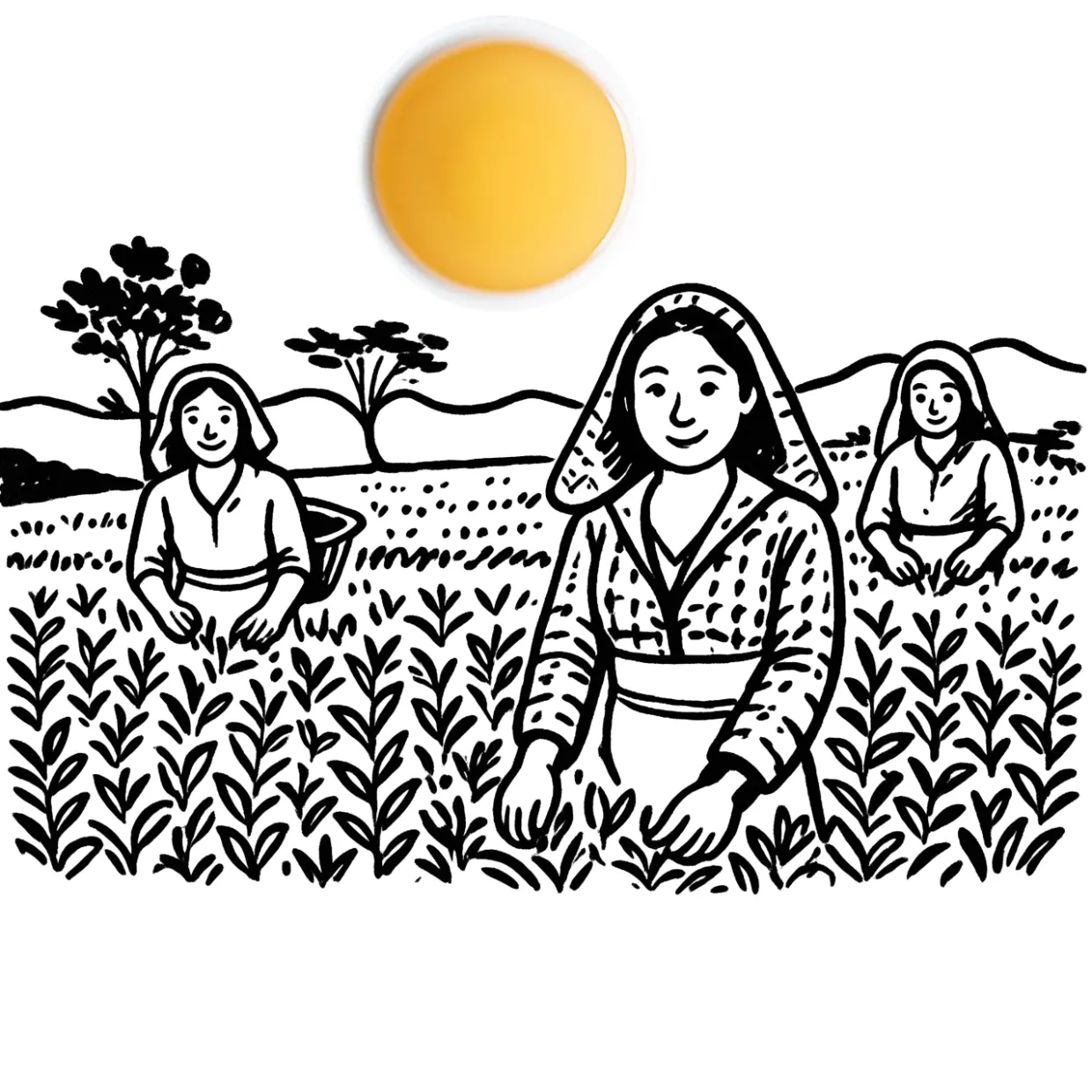
Darjeeling tea and premium Bangladeshi tea can both appeal to people who enjoy aromatic loose-leaf tea, but they do not represent the same origin or the same style. Darjeeling is associated with the Himalayan foothills of West Bengal and is known for a light, fragrant and seasonal character. Premium orthodox tea from Bangladesh comes from Bangladesh’s own tea-growing regions and can offer a fresh aroma, balanced body and clean finish at a more accessible local price.
The useful question is not whether one country automatically produces better tea. Tea quality depends on the garden, leaf standard, harvest, processing, storage and brewing method. A carefully made Bangladesh-origin tea may be more enjoyable for one person, while a delicate Darjeeling style may suit another.
This guide compares the two without presenting Bangladeshi tea as an imitation of Darjeeling. It explains the differences, the similarities that some drinkers notice, and how to choose a tea for your own taste and daily routine.
What Does “Darjeeling Tea” Mean?
Darjeeling tea refers to tea produced in the Darjeeling tea-growing region of West Bengal, India. Its reputation comes from a combination of highland geography, seasonal weather, garden practices and specialised processing. Depending on harvest and production style, a Darjeeling cup may show floral, fruity, brisk, muscatel-like or lightly astringent notes.
Darjeeling is not one single flavour. First Flush, Second Flush and Autumn Flush teas can taste noticeably different. A particular garden, cultivar, harvest date and processing decision can change the final cup. For that reason, the words “Darjeeling tea” provide a regional identity, not a guarantee that every pack will taste exactly the same.
In this article, Darjeeling is not being offered as a Tea Shop BD product. It is used only to help readers understand a familiar reference point when comparing aromatic loose-leaf teas.
What is Premium Bangladeshi Orthodox Tea?
Premium Bangladeshi orthodox tea is produced in Bangladesh using orthodox-style processing that aims to preserve the leaf’s shape and develop aroma and flavour gradually. The final profile depends on the garden, cultivar, plucking standard, oxidation, drying, grading, packing and storage.
Bangladesh has several tea-growing areas with different local conditions. Tea Shop BD’s Bangladesh-focused sourcing context includes established tea regions such as Sreemangal and Chattogram, as well as northern growing areas including Panchagarh and Lalmonirhat. Some tea is obtained through auctions, while selected lots may come directly from gardens and producers. The exact origin should be stated on the relevant product page rather than guessed for every tea.
Northern Bangladesh has become especially interesting for specialty styles. Tea from Panchagarh and Lalmonirhat can show a clear aroma, gentle sweetness, bright liquor or smooth body depending on the lot and processing. These teas should be appreciated as Bangladesh-origin products with their own regional identity—not marketed as Darjeeling tea.
Orthodox tea and CTC Tea Are Not The Same
Orthodox tea and CTC tea serve different drinking preferences. Orthodox processing generally retains more visible leaf structure and is often selected by people who want aroma, layered flavour and a slower tasting experience. CTC means Crush, Tear, Curl. CTC tea is processed into small granules that release colour and strength quickly, making it useful for strong everyday tea and milk tea.
This article compares Darjeeling with premium Bangladesh-origin orthodox tea. A CTC Black Tea can still be high quality and enjoyable, but it should not be judged by the same expectations as delicate loose-leaf orthodox tea.
Darjeeling Tea vs Premium Bangladeshi tea: Quick Comparison
Origin
Darjeeling tea: Darjeeling region, West Bengal, India.
Premium Bangladeshi orthodox tea: Bangladesh-origin tea from relevant gardens and growing regions such as Panchagarh, Lalmonirhat, Sreemangal or Chattogram, depending on the product.
Typical aroma
Darjeeling tea: Often light, floral, fruity or brisk, with seasonal variation.
Bangladeshi orthodox tea: Can be fresh, naturally aromatic, gently sweet, balanced or fuller-bodied depending on the lot.
Body
Darjeeling tea: Frequently light to medium, although style varies.
Bangladeshi orthodox tea: Often medium and smooth, but the body changes with leaf grade and processing.
Liquor
Darjeeling tea: Commonly bright gold or amber, depending on harvest and brewing.
Bangladeshi orthodox tea: May range from golden amber to deeper amber; colour alone is not a quality test.
Finish
Darjeeling tea: Can be delicate, brisk and lingering.
Bangladeshi orthodox tea: Can offer a clean, rounded or gently sweet finish.
Price and access in Bangladesh
Darjeeling tea: Imported or origin-labelled products may include additional transport, import and distribution costs.
Bangladeshi orthodox tea: Local sourcing can make the product easier to access and more affordable for Bangladesh buyers.
Best Tea Depends On Your Preference
Choose a lighter, floral experience if you enjoy delicate aroma, briskness and a tea that rewards careful tasting. Some Darjeeling styles may suit this preference, while selected Bangladesh-origin orthodox teas can also provide an aromatic cup with a different regional character.
Choose a fuller, smoother everyday cup if you want more body, a balanced finish and a tea that works well across several daily occasions. A suitable Bangladesh-origin orthodox tea may be a practical choice, especially when freshness, local availability and value matter.
Choose CTC Black Tea if your priority is strong colour, quick extraction and a dependable base for milk tea. Explore the Tea Shop BD CTC Black Tea collection for products intended for this style of drinking.
Why Can Two Teas From The Same Region Taste Different?
Tea flavour is influenced by more than a location name. Important variables include:
• Elevation and temperature
• Rainfall and sunlight
• Soil and drainage
• Cultivar and plant age
• Plucking standard
• Leaf withering and oxidation
• Drying temperature
• Grade and storage
• Water quality and brewing time
This is why a comparison based only on country or region can be misleading. A well-stored tea brewed carefully may taste better than a famous-origin tea that is old, poorly packed or over-extracted.
What Similarities Might Some Drinkers Notice?
Some tea drinkers describe selected northern Bangladesh orthodox teas as having floral, fresh or elegant notes that remind them of highland tea styles. These are tasting impressions, not proof that the teas are identical or that one is copied from the other.
The responsible way to describe a similarity is to use careful language such as “some drinkers may notice floral or bright notes.” Avoid claiming that a Bangladesh-origin tea is Darjeeling, Himalayan or imported when it is not. Origin accuracy helps customers make an informed choice and protects the credibility of the product page.
How to Taste The Difference at Home
Use the same water, cup size and brewing time when comparing two teas. Measure the leaf instead of using an unmeasured handful. Brew each tea separately, then assess:
- Dry-leaf aroma: Is it fresh, clean, floral, sweet, woody or flat?
- Leaf appearance: Is the leaf mostly whole, twisted, broken or granular?
- Liquor brightness: Is the cup clear and lively rather than dull?
- First sip: Is the flavour light, brisk, rounded, sweet or strong?
- Mouthfeel: Does the tea feel thin, smooth, full or drying?
- Finish: Does the flavour disappear quickly or remain pleasantly?
- Second infusion: Does the tea reveal another layer when brewed again?
Do not judge both teas using the same brewing time automatically. A delicate leaf may become sharp if over-brewed, while a stronger tea may need more time to show its body.
Brewing Premium Orthodox Tea
For a general starting point, use approximately 2–3 grams of loose-leaf tea for 200 ml of fresh water. Begin with water around 90–95°C and brew for about 3–4 minutes, then adjust according to the product instructions and your taste.
These figures are starting guidance, not a universal rule. Some teas need cooler water or a shorter infusion. If the cup tastes bitter, reduce time or temperature. If it tastes weak, increase the leaf slightly or extend the infusion gradually.
Store the tea in an airtight container in a cool, dry place away from sunlight, moisture and strong odours. Freshness and storage can influence the final cup as much as the original tea region.

How To Choose A Bangladesh-Origin Tea
Before buying, check:
• Tea type: orthodox, CTC, green, white or oolong ant etc.
• Stated Bangladesh origin or sourcing information
• Leaf appearance and grade description
• Pack weight and available variation
• Suggested brewing method
• Storage guidance
• Current stock and delivery information
• Product image and description consistency
Tea Shop BD customers can begin with the Orthodox Tea collection for aromatic loose-leaf styles. If they prefer strong milk tea, the CTC Black Tea collection is more suitable. Green Tea, White Tea and Oolong Tea should be chosen according to their own flavour and brewing preferences. Tea Trial Packs are useful when a customer wants to compare styles before choosing a larger pack.
Tea Shop Bd’s Bangladesh-Focused Approach
Tea Shop BD’s product descriptions should clearly identify the actual tea type, origin, pack size and use case. The goal is not to make every local tea sound like an imported famous-origin tea. The goal is to help Bangladesh buyers discover fresh, carefully selected tea from relevant local sources.
Depending on the product, sourcing may involve Sreemangal or Chattogram auctions, northern regional gardens, or direct garden procurement. The exact sourcing statement should match the product’s verified information. Clear origin language builds trust and gives customers a better understanding of what makes each pack different.
Frequently Asked Questions
Is Darjeeling tea better than premium Bangladeshi tea?
There is no universal answer. Darjeeling has a recognised regional identity and is often associated with delicate, floral and seasonal profiles. Premium Bangladeshi orthodox tea can offer fresh aroma, balanced body, smoothness and strong local value. The better choice depends on whether you prefer a lighter, more delicate cup or a fuller, locally sourced everyday tea.
Is Tea Shop BD selling imported Darjeeling tea?
Darjeeling is used in this article as a comparison reference. Tea Shop BD’s premium local selections are Bangladesh-origin products. Customers should check each product page for the exact origin, tea type, pack size and description before ordering.
Can Bangladesh-origin tea taste like Darjeeling?
Some drinkers may notice floral, bright or elegant notes in selected Bangladesh-origin orthodox teas, especially from northern growing areas. Similar tasting notes do not mean the teas share the same origin or are identical. Each tea should be described according to its verified Bangladesh source and actual cup profile.
What is the difference between orthodox and CTC tea?
Orthodox tea generally preserves more visible leaf structure and is chosen for aroma and layered flavour. CTC tea is processed into small granules that release strength quickly and work well for strong everyday tea or milk tea. Neither style is automatically better; they serve different preferences.
Which Bangladesh tea region is associated with premium orthodox tea?
Bangladesh has several tea-growing regions and Bangladesh tea sector. Panchagarh and Lalmonirhat in the north are important references for specialty and orthodox styles, while Sreemangal and Chattogram are also important in Bangladesh’s tea supply. The exact origin depends on the product and should be confirmed on its product page.
Why can local Bangladeshi tea cost less than imported tea?
Local tea may avoid some import, international transport and extended distribution costs. A lower price does not automatically mean lower quality. Leaf condition, freshness, processing, storage and brewing should be considered together.
How should I brew premium Bangladeshi orthodox tea?
Start with 2–3 grams of tea for 200 ml of water at approximately 90–95°C for 3–4 minutes. Then adjust according to the specific product. Shorten the brew if it tastes sharp, or increase the leaf slightly if it tastes weak.
Can orthodox tea be used for milk tea?
Some orthodox black teas can be used for milk tea, but their aroma may be better appreciated without milk. For a fast, strong milk-tea base, CTC Black Tea is usually more practical. Follow the product’s own brewing recommendation.
What should beginners buy first?
Beginners who enjoy aroma and loose-leaf tasting can start with a balanced Bangladesh-origin Orthodox Tea. Those who prefer strong milk tea can begin with CTC Black Tea. Tea Trial Packs are useful when the buyer is unsure which style matches their taste.
Does tea colour prove quality?
No. Liquor colour is influenced by tea type, leaf grade, processing and brewing time. Aroma, clarity, mouthfeel, finish, freshness and overall balance are more useful parts of a complete tasting assessment.
Conclusion
Darjeeling tea and premium Bangladeshi tea should not be treated as identical products or as competitors in a simple ranking. Darjeeling represents a famous Himalayan foothill origin with a delicate and seasonal reputation. Premium Bangladesh-origin orthodox tea represents the skill, gardens and evolving specialty-tea identity of Bangladesh.
If you enjoy light floral complexity, a suitable Darjeeling style may appeal to you. If you prefer local freshness, balanced body, everyday drinkability and accessible value, a carefully selected Bangladesh-origin orthodox tea may be the better fit. If you want strong tea with milk, CTC Black Tea may be more appropriate.
The best choice is the tea that matches your preferred aroma, body, brewing routine and budget. Explore the Bangladesh-origin collections at Tea Shop BD, compare the product details and choose the pack that suits your next cup.