Starting a tea leaf business may seem straightforward, but building a successful and sustainable tea brand requires much more than simply buying and selling tea. The tea industry is built on quality, trust, consistency, and a deep understanding of both the product and the people who enjoy it. Whether your goal is to launch an online tea store, supply wholesale buyers, create your own tea brand, or open a specialty tea business, careful planning from the beginning can save both time and money.
Many new entrepreneurs focus only on finding tea suppliers, but long-term success depends on several other factors as well. Understanding customer preferences, choosing reliable sourcing partners, maintaining consistent quality, complying with local regulations, building a recognizable brand, and developing an effective marketing strategy are all essential parts of a successful tea business.
In this guide, we’ll explore the most important things every aspiring tea entrepreneur should consider before entering the tea industry. By preparing properly, you’ll be better equipped to build a business that earns customer trust and grows steadily over time.
Before Starting a Tea Leaf Business
Starting a tea leaf business is an exciting opportunity, but success depends on careful planning rather than simply purchasing and selling tea. The tea industry is highly competitive, and customers expect consistent quality, transparency, and trust. Before investing your time and money, it’s important to build a strong foundation for your business.
Develop a Clear Business Strategy
Begin by defining your business goals. Decide whether you want to sell premium loose-leaf tea, packaged retail products, wholesale tea, specialty teas, or create your own private-label brand. Having a clear direction will help you make better decisions as your business grows.
Understand Your Target Market
Take time to research who your customers are and what they prefer. Understanding consumer demand, pricing expectations, buying habits, and current market trends will help you choose the right products and position your business effectively.
Choose a Reliable Tea Supplier
Your supplier plays a crucial role in the success of your business. Work with a trusted tea producer, tea house, or authorized distributor that consistently provides high-quality tea and maintains professional business standards.
Verify Legal Compliance
Before partnering with any tea supplier or manufacturer, verify that the business operates legally. Depending on your country or region, important documents may include business registration, food safety certifications, trademark registration, tea industry licenses, quality certifications, and other regulatory approvals. Working with a legally compliant supplier helps protect both your business and your customers.
Evaluate Product Quality
Never select tea based on price alone. Carefully evaluate the tea’s appearance, aroma, taste, freshness, leaf grade, consistency, and packaging quality. Offering reliable products builds customer confidence and encourages repeat purchases.
Build a Brand Customers Can Trust
In today’s market, customers buy more than just tea—they buy confidence in the brand behind it. Professional packaging, honest product information, excellent customer service, and consistent quality all contribute to building long-term trust and a strong reputation.
Starting with the right preparation allows you to avoid common mistakes and creates a solid foundation for building a successful and sustainable tea leaf business.
Research Your Local Market
Before launching a tea leaf business, take time to understand the local market where you plan to sell. Visiting nearby tea shops, grocery stores, supermarkets, and wholesale markets can provide valuable insights into customer preferences and buying behavior. A thorough market survey helps you make informed decisions and reduces the risk of investing in products with low demand.
Study the Existing Market
Observe the tea brands already available in your area and identify which products are most popular. Pay attention to the types of tea customers buy, the package sizes they prefer, and the price ranges that sell well. Understanding the local competition allows you to position your business more effectively.
Understand Local Tea Preferences
Tea preferences often vary from one region to another. In some areas, customers may prefer strong CTC tea, while others favor premium orthodox or specialty teas. Even within the same country, buying habits can differ between cities, districts, towns, and rural communities. Learning these preferences will help you choose products that match your target market.
Analyze Packaging and Pricing
Compare the packaging styles, product weights, and pricing strategies of the brands available in your market. This doesn’t mean copying competitors—it helps you understand customer expectations and identify opportunities to offer better value through quality, presentation, or product selection.
Identify Market Opportunities
A successful tea business doesn’t simply follow the market—it looks for gaps. You may discover growing demand for premium loose-leaf tea, healthier tea options, gift packaging, specialty blends, or convenient retail packs. Identifying these opportunities can help your business stand out from the beginning.
Understanding your local market before making your first purchase gives you greater confidence, helps you manage inventory more efficiently, and increases the likelihood of building a successful and sustainable tea business.
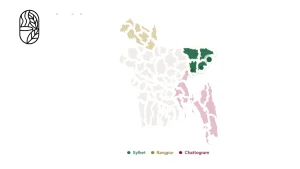
Name of the department: Grade or type of tea
| Division | Tea size |
| Rangpur Division | BOP, OF Dust |
| Rajshahi Division | CD Dust, Dust |
| Khulna Division | CD Dust, RD, Dust |
| Barisal Division | PD, GBOP, DM |
| Mymensingh Division | PF, OF, GBOP |
| Sylhet Division | BOP, GBOP, PD |
| Dhaka Division | BOP, DM, GBOP, PD |
| Chattagram Division | BOP, GBOP |
Choosing the Right Tea Grades for Your Target Market
Selecting the right tea grades is just as important as choosing a reliable supplier. Different customer groups have different preferences, and understanding these preferences will help you stock products that meet local demand and encourage repeat purchases.
Tea Grades for Hotels and Tea Stalls
Hotels, roadside tea stalls, cafés, and small food businesses often prefer tea grades that produce a strong liquor, rich color, and consistent taste while remaining cost-effective for high-volume brewing. These grades are commonly used for preparing milk tea and traditional tea served throughout the day.
If your primary customers are hotels or tea stalls, it’s wise to choose tea grades that match their brewing style and daily consumption needs. The market survey you conducted earlier will help you determine which grades are most popular in your area.
Tea Grades for Homes and Offices
Household consumers and office users often have different expectations. Many tea drinkers look for premium flavor, pleasant aroma, and a smoother drinking experience. Depending on customer preference, they may choose whole-leaf or specialty tea grades that offer greater complexity and a more refined cup.
Popular options may include premium loose-leaf teas, specialty orthodox teas, selected broken-leaf grades, and convenient tea bags for everyday use.
Match Your Products to Customer Demand
There is no single tea grade that suits every market. A successful tea business understands its customers and selects products accordingly. Before building your inventory, evaluate local demand, customer preferences, pricing expectations, and intended use. Supplying the right tea grades for the right audience will help improve customer satisfaction and support long-term business growth.

How Much Tea Should You Buy?
One of the biggest mistakes new tea entrepreneurs make is purchasing too much inventory before understanding market demand. While buying in bulk may seem cost-effective, it’s often wiser to start with manageable quantities and increase your stock as your customer base grows.
Before placing your first order, use the information gathered from your market research. Consider which tea varieties are most popular in your area, how quickly they sell, and how much demand you expect during the first few months of your business.
Buy According to Your Business Model
The amount of tea you should purchase depends largely on how you plan to sell it. Most tea businesses follow one of the following approaches:
Bulk Tea for Wholesale Distribution
If your customers include tea retailers, wholesalers, hotels, cafés, or tea stalls, purchasing tea in bulk can be a practical option. Bulk tea offers greater flexibility for large-volume sales and customized packaging.
Ready-to-Sell Packaged Tea
If you want to enter the market quickly, ready-packed tea products can be an excellent choice. Professionally packaged tea saves time, simplifies inventory management, and allows you to focus on sales and customer service.
Private Label Tea
Many entrepreneurs choose to build their own tea brand by selling tea in custom-designed packaging. Private labeling allows you to create a unique brand identity, choose your preferred packaging sizes, and develop long-term customer loyalty. Although it requires additional planning and investment, it offers greater opportunities for business growth.
Start Small, Then Scale with Confidence
There’s no need to invest heavily in large quantities from the beginning. Start with products that match your target market, monitor customer demand, and identify your best-selling teas. As your business grows and sales become more consistent, you can gradually expand your product range and increase inventory with greater confidence.
A well-planned purchasing strategy helps reduce financial risk, minimizes unnecessary stock, and creates a stronger foundation for long-term success in the tea business.venience of our customers. As if every one of our customers is comfortable to buy and also comfortable to sell.
Sale of tea leaves with sacks
We buy and sell tea leaves from various gardens through auctions. For this, we need departmental customers who buy tea leaves with sacks. It is our responsibility to select the best garden tea and deliver it to the consumers. Consumers buy tea leaf sacks and sell them in their own packets with blades at their convenience.
Ready Blend Tea Leaf Sale
We sell ready-blended tea leaves for the convenience of our customers. On the one hand, it is within the reach of our customers as well as the price. And Ready Blade Tea Leaves We try to keep the same quality all year round. For this, we have our own tester and lab. I test every ready-blend tea lab. Consumers buy ready-blended tea leaves and sell them packaged in their own packets.
Sell Tea Under Your Own Brand
Building your own tea brand is one of the best ways to create a long-term and recognizable business. Instead of simply reselling tea, you can offer products under your own brand name, giving customers a reason to remember and trust your business. A strong brand, attractive packaging, and consistent tea quality can help you stand out in a competitive market.
Become a Wholesale Tea Dealer
Many tea businesses begin by purchasing tea at wholesale prices and supplying it to local retailers, grocery stores, tea stalls, cafés, offices, or supermarkets. Depending on your business model, you can operate as an area-based distributor or an independent wholesale dealer.
Before choosing this path, understand the supplier’s pricing policy, minimum order quantity, delivery system, payment terms, and after-sales support. Working with a reliable supplier helps ensure consistent product quality and customer satisfaction.
Launch Your Own Tea Brand
If your goal is to build a long-term business, creating your own tea brand can be a rewarding investment. This allows you to design your own packaging, select tea grades, decide on packet sizes, and build a unique identity in the marketplace.
A successful tea brand is built on more than a logo. Customers value consistent quality, honest product information, professional packaging, and dependable customer service.
Check Distribution Opportunities
Before investing, find out whether your target area already has an authorized distributor or dealer for the supplier you wish to work with. Some companies offer exclusive territories, while others allow multiple dealers within the same region. Understanding the distribution policy beforehand helps avoid future conflicts.
What Else Should You Consider in the Tea Business?
Running a successful tea business requires more than purchasing and selling tea. Long-term success comes from maintaining product quality, building customer trust, managing inventory wisely, and making informed business decisions.
Never Compromise on Quality
One of the biggest mistakes new entrepreneurs make is buying the cheapest tea available in the hope of earning a larger profit. Low-cost tea may reduce your purchase price, but poor quality often leads to dissatisfied customers, fewer repeat orders, and damage to your reputation.
A sustainable business is built by offering tea that delivers consistent taste, freshness, aroma, and value.
Don’t Be Influenced by Unrealistic Promises
You may come across advertisements, social media posts, or videos claiming that you can earn huge profits with very little effort. Always evaluate such claims carefully.
Before working with any supplier, verify their business credentials, product quality, customer reviews, pricing, and business terms. Avoid making investment decisions based solely on attractive marketing messages.
Start Small and Grow Gradually
There’s no need to invest heavily during the early stages of your business. Begin with a manageable quantity, observe customer demand, identify your best-selling products, and expand your inventory as your business grows.
This approach reduces financial risk while helping you understand your market more effectively.
Keep Learning About Tea
The tea industry continues to evolve with changing consumer preferences, new products, and market trends. Learning about tea varieties, grading, brewing methods, storage, packaging, and customer expectations will help you make better business decisions over time.
Frequently Asked Questions
How do I start a tea leaf business?
Start by researching your local market, identifying your target customers, selecting a reliable supplier, understanding tea quality, preparing a business plan, and purchasing a manageable quantity of tea based on expected demand.
Do I need a large investment?
Not necessarily. Many successful tea businesses begin with a modest investment and expand gradually as sales increase. The required investment depends on your business model, product range, and target market.
Can I sell tea under my own brand?
Yes. Many entrepreneurs build successful businesses through private-label or custom-branded tea products. Before launching your brand, ensure that you meet all applicable legal, packaging, labeling, and food safety requirements.
Is the tea business profitable?
A tea business has strong growth potential when supported by quality products, competitive pricing, excellent customer service, and effective marketing. Like any business, success depends on planning, consistency, and understanding customer needs.
Final Thoughts
Starting a tea leaf business is more than simply buying and selling tea—it’s about building trust, delivering consistent quality, and creating long-term value for your customers. The more carefully you plan your business, the stronger your foundation will be for future growth.
Take time to research the market, choose reliable suppliers, understand tea quality, and develop a clear business strategy before making your first investment. A thoughtful approach will help you avoid common mistakes and increase your chances of building a successful and sustainable tea business.
Whether you’re planning to become a tea retailer, wholesaler, or launch your own tea brand, success begins with knowledge, patience, and a commitment to quality.d you can take more information from us. All will be well.