
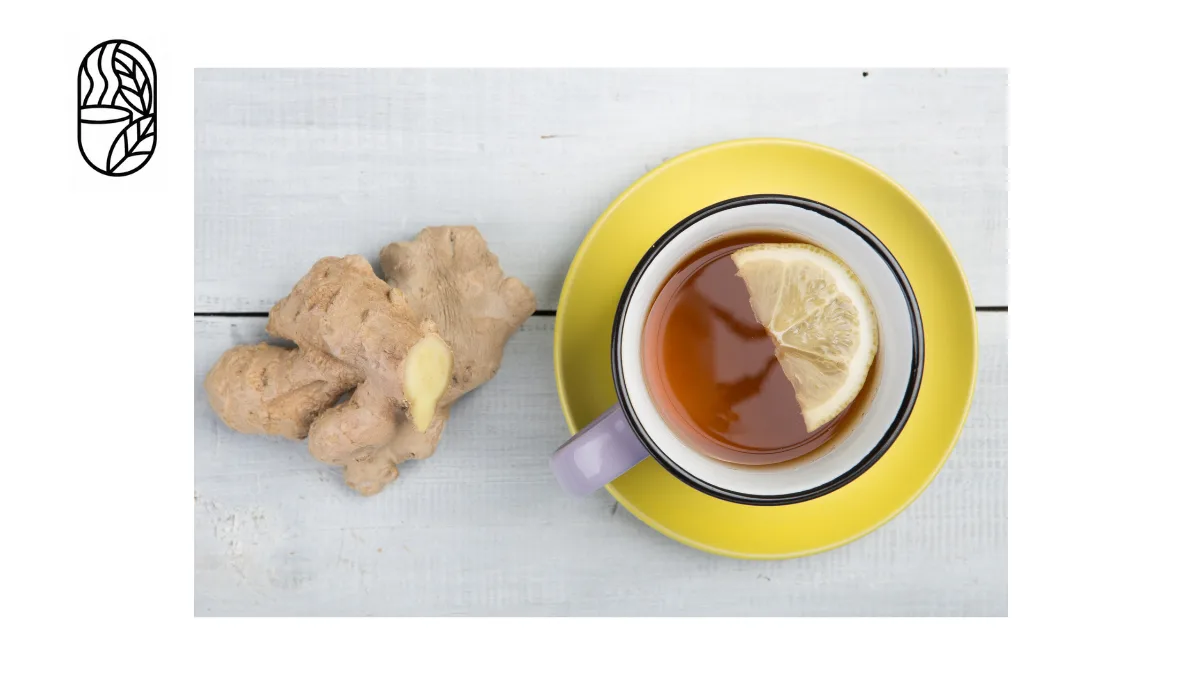
Ginger tea is one of those simple drinks that can feel familiar in almost every season. On a rainy afternoon, after a heavy meal, or when someone wants a caffeine-free warm drink, a cup made with fresh ginger can be spicy, aromatic and comforting.
But ginger tea should be described honestly. It is a herbal infusion and a food-based drink, not a cure for illness. Research has examined ginger for several forms of nausea and other symptoms, yet results depend on the person, preparation and amount used. A balanced article should help readers enjoy ginger tea safely without making unrealistic promises.
This guide explains what ginger tea is, how to prepare it, how to choose a good product in Bangladesh, what the research suggests, and when caution is sensible.
What Is Ginger Tea?
Ginger tea is an infusion prepared by steeping fresh ginger, dried ginger slices, ginger powder or a ginger-based tea blend in hot water. The ginger root used in food and drinks comes from the Zingiber officinale plant.
A plain ginger infusion does not contain Camellia sinensis leaves. That means it is naturally caffeine-free unless the product also includes black tea, green tea or another caffeinated ingredient. This is why ginger tea can be a useful option for people who enjoy a warm drink in the evening but prefer to avoid caffeine.
The flavour is usually warm, peppery, slightly sweet and sharp. Its strength depends on the freshness of the ginger, slice thickness, water quantity and simmering time.
Why Do People Enjoy Ginger Tea?
People often choose ginger tea for three practical reasons: flavour, warmth and routine.
It has a naturally spicy taste that works well without milk. It can be served hot during cool or rainy weather, or chilled with lemon during warmer days. It is also simple to prepare with ingredients available in many Bangladeshi kitchens.
For many people, the most dependable benefit is not a medical one. It is the experience of having a warm, caffeine-free drink that can replace overly sweet beverages or an extra cup of milk tea.
What Research Says About Ginger Tea Benefits
Research on ginger is promising in some areas, but readers should understand an important difference: many studies examine ginger supplements, extracts or specific doses, not a standard homemade cup of ginger tea.
Ginger and Mild Nausea
Ginger has been studied for several forms of nausea and vomiting. Some people find ginger-containing foods or drinks helpful for mild nausea. However, it should not be presented as a guaranteed solution for every cause of nausea.
For pregnancy-related nausea, some guidance notes that ginger may help certain people. Pregnant readers should speak with a doctor, midwife or pharmacist before using concentrated ginger products regularly. Severe vomiting, dehydration or inability to keep fluids down needs medical advice.
Ginger Tea After Meals
A warm ginger infusion may feel comfortable after meals for some people. Its spicy aroma and warmth are often appreciated after rich food or during occasional digestive discomfort.
However, ginger does not suit everyone. Some people experience heartburn, burning sensations or stomach irritation. If ginger tea repeatedly makes reflux or discomfort worse, it is better to stop drinking it.
Ginger Tea During a Cold or Rainy Day
Warm ginger tea can feel soothing when the throat is dry or when someone wants to drink more fluids during a cold. Lemon and honey can make the drink more pleasant.
It is important not to describe ginger tea as a treatment for flu, viral infection or fever. It can be a comforting beverage, but persistent or serious symptoms need appropriate medical care.
Ginger Tea and Weight Management
Unsweetened ginger tea is generally low in calories. Replacing a sugary soft drink or heavily sweetened beverage with plain ginger tea may support healthier everyday choices.
That is different from saying ginger tea causes weight loss. No tea should be marketed as a standalone fat-burning solution. Long-term weight management depends on overall food habits, sleep, activity, medical history and many other factors.
-
Bai Mu Dan White Tea
Price range: 370.00৳ through 2,650.00৳ -
BT-2 Tea
Price range: 560.00৳ through 5,600.00৳ -
BTRI Green Tea
Price range: 250.00৳ through 2,250.00৳

How to Make Fresh Ginger Tea at Home
Ingredients for Two Cups
- 2 cups fresh water
- 15 to 25 grams fresh ginger
- Lemon, optional
- Honey, optional
- A small piece of cinnamon, optional
Step-by-Step Method
Step 1: Wash the ginger thoroughly. If the skin is clean and fresh, peeling is optional. Remove damaged or rough parts before slicing.
Step 2: Slice the ginger thinly. Thin slices release flavour more evenly than one large chunk.
Step 3: Bring two cups of water to a gentle boil in a saucepan.
Step 4: Add the ginger slices and reduce the heat.
Step 5: Simmer for approximately 8 to 12 minutes. Use a shorter time for a lighter drink and a longer time for a stronger, spicier cup.
Step 6: Strain into cups.
Step 7: Add lemon or honey according to taste after the tea has cooled slightly.
Start with a mild cup. Fresh ginger can become intense quickly, and adding too much at the beginning may make the drink unpleasantly sharp.
Ginger Tea Variations
Ginger Lemon Tea
Add fresh lemon juice after straining. It gives the drink a brighter and more refreshing character. Use lemon for flavour rather than claiming it guarantees immunity support.
Ginger Honey Tea
Honey softens the sharpness of ginger and adds natural sweetness. Use a small amount if you are managing sugar intake. Honey should never be given to children under one year of age.
Ginger Cinnamon Tea
A small cinnamon piece can be simmered with ginger for a warmer, sweeter aroma. Keep the amount modest so cinnamon does not overpower the ginger.
Ginger Mint Tea
Add a few clean mint leaves after turning off the heat. The cooling scent of mint creates a pleasant contrast with ginger’s spicy warmth.
Iced Ginger Tea
Prepare a stronger infusion, strain it, cool it safely and serve it over ice. Lemon can make this version especially refreshing in warm weather.
H2: Fresh Ginger, Dried Ginger or Ginger Powder?
Fresh ginger usually gives the brightest and most lively flavour. It is suitable for readers who want to control the strength of each cup.
Dried ginger slices are convenient for storage and travel. Their flavour can be deeper and more concentrated than fresh ginger.
Ginger powder is quick to use but may create a cloudier cup and a more earthy taste. It is useful when fresh ginger is not available, but it should be measured carefully.
Packaged ginger tea bags are convenient, especially for office use or travel. Always check the ingredient list because a “ginger tea” product may contain black tea, green tea, sugar, flavouring or other herbs.
Who Should Be Careful With Ginger Tea?
Most healthy adults can usually enjoy culinary amounts of ginger. Still, some people should use caution. This tea is Herbal Tea collection.
Pregnancy
Ginger-containing foods or drinks may help mild nausea for some people. Pregnancy is individual, so readers should consult a qualified healthcare professional before making concentrated ginger products part of a regular routine.
Blood-Thinning Medicine
People using blood-thinning or antiplatelet medicines should ask a doctor or pharmacist before using ginger frequently or in concentrated forms. This includes medicines such as warfarin and some aspirin-based treatments.
Acid Reflux or Sensitive Stomach
Ginger feels soothing for some people but can worsen heartburn or burning sensations for others. Start with a mild preparation and notice how your body responds.
Existing Medical Conditions
People with gallbladder concerns, diabetes, blood-pressure conditions or planned surgery should seek professional guidance before using concentrated ginger products as part of a daily routine.
How to Choose Ginger Tea in Bangladesh
When buying ginger tea, dried ginger or a ginger blend, check the product page carefully.
Look for a clear ingredient list. A good description should tell customers whether the product contains fresh ginger, dried ginger, ginger powder, black tea, green tea, sugar or added flavouring.
Check the pack size, expiry date, storage guidance and brewing directions. If the product is marketed as caffeine-free, confirm that it does not include Camellia sinensis tea leaves.
Tea Shop BD should describe ginger tea as a carefully selected herbal beverage. Claims such as “cures cold,” “guarantees immunity,” “burns fat,” “controls diabetes” or “treats pain” should not be used unless there is product-specific, legally appropriate evidence.
How to Store Ginger Tea Ingredients
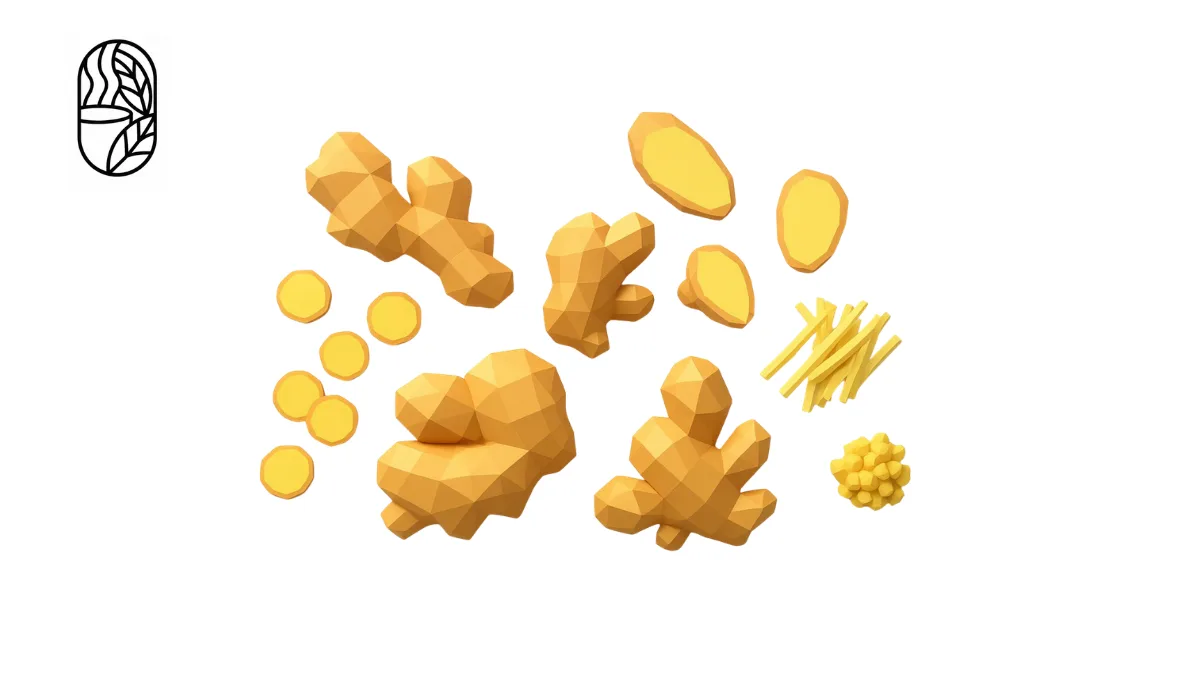
Fresh ginger should be kept dry and refrigerated when possible. Check it regularly and discard it if it becomes mouldy, soft or spoiled.
Dried ginger and tea bags should be stored in an airtight container away from sunlight, heat, moisture and strong odours. Good storage protects flavour and prevents the product from becoming stale.
Frequently Asked Questions About Ginger Tea
Is ginger tea good to drink every day?
Many healthy adults can enjoy a mild cup as part of a normal diet. However, daily use is not automatically suitable for everyone. People with medical conditions, pregnancy or regular medication should seek individual advice.
Does ginger tea cure nausea?
No. Some research suggests ginger may help certain kinds of nausea, but it does not cure every cause. Persistent vomiting, dehydration, severe pain or pregnancy-related symptoms that interrupt eating and drinking need medical attention.
Does ginger tea contain caffeine?
Plain ginger-and-water infusion is caffeine-free. A commercial blend may contain black or green tea, so always check the ingredient label.
Can ginger tea help with a sore throat?
A warm drink may feel soothing and can help someone stay hydrated. Ginger tea should not replace professional care for severe, persistent or worsening throat symptoms.
Can I drink ginger tea at night?
Yes, many people enjoy a mild caffeine-free ginger infusion at night. If ginger causes warmth, reflux or stomach discomfort, reduce the strength or drink it earlier in the day.
Can children drink ginger tea?
For young children, especially those with ongoing symptoms or medical conditions, ask a paediatrician first. Use mild, food-level preparations and never add honey for a child under one year old.
How long should I simmer fresh ginger?
Eight to twelve minutes is a useful starting range. Taste the tea before extending the simmering time because strength increases quickly.
Final Thoughts
Ginger tea is best enjoyed for what it genuinely is: a naturally caffeine-free, spicy and comforting herbal drink. It can fit easily into a Bangladesh-based daily routine, whether served warm on a rainy day or cooled with lemon in warmer weather. External Reference
For balanced information about ginger’s safety and research, use one authority National Center for Complementary and Integrative Health
Some people may find it pleasant after meals or during mild nausea, but it should not be used as a replacement for professional medical advice. Honest ingredient information, moderate preparation and careful safety wording make this article useful for readers, search engines and answer engines alike.