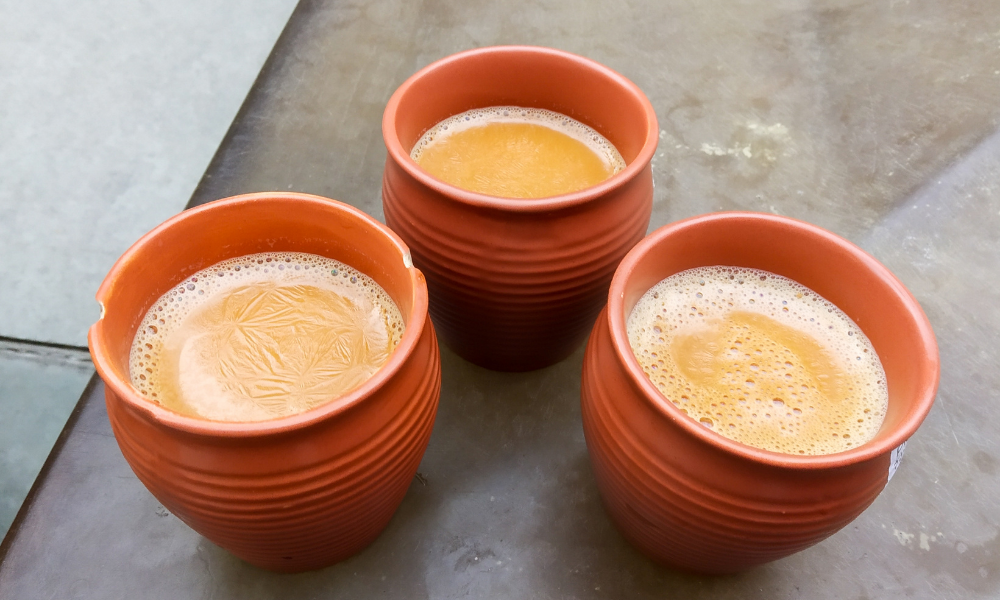

Bangladeshi dudh cha is usually prepared with a few familiar ingredients, but small changes in quantity can completely change the cup. Too much tea can make it sharp and bitter. Too much milk can hide the tea aroma. Too much sugar can make the drink heavy instead of balanced. This guide explains the ingredients, practical ratios and adjustment methods behind a satisfying cup of milk tea in Bangladesh.
This is a companion guide for readers who already know the basic preparation method and want to understand why their tea tastes different from one batch to another. For the complete cooking method, read Tea Shop BD’s guide: How to Make Bangladeshi Milk Tea.
The recommendations below are starting points, not rigid rules. Tea strength varies by leaf size, CTC granule size, freshness and processing. Milk also varies in richness. Taste the tea and adjust the next batch rather than relying on colour alone.
What makes bangladeshi dudh cha different?
Dudh cha is an everyday milk tea served in homes, offices, tea stalls and family gatherings across Bangladesh. Its character comes from the relationship between strong tea, fresh milk, sugar and controlled simmering. Some people prefer a bold, dark cup, while others like a softer, creamier version. There is no single national formula that suits every household.
The most useful way to think about dudh cha is balance. The tea should remain noticeable after milk is added, the milk should soften the edges, and sweetness should support the flavour rather than cover it. Optional spices such as cardamom, ginger or cinnamon can be used, but they are not required for a traditional everyday cup.
Core dudh cha ingredients for two cups
- Water: 1½ cups
- Milk: 1½ cups
- Loose CTC black tea or strong black tea: 2 to 2½ teaspoons
- Sugar: 2 to 3 teaspoons, adjusted to taste
- Optional cardamom: 1 lightly crushed pod
- Optional ginger: a thin slice
- Optional cinnamon: a small piece
This equal water-and-milk starting ratio creates a full but not overly heavy cup. If you prefer a lighter tea, use 1¾ cups water and 1¼ cups milk. If you prefer a creamier tea, use 1¼ cups water and 1¾ cups milk, while keeping the tea quantity under control.
Which tea leaves work best?
Strong Bangladeshi CTC black tea is a practical choice for dudh cha because it releases colour and body quickly during simmering. Tea leaves from Bangladesh’s established tea regions, including Sreemangal and Chattogram, can create a dependable milk-tea base when the product is suitable for this style of brewing. Always follow the brewing direction supplied with the specific pack.
Leaf-led orthodox black tea can also be used when you want a more aromatic cup. It may need a gentler, shorter extraction than CTC tea because larger leaves release flavour differently. Green tea, white tea and oolong tea should not automatically be substituted into a boiled milk-tea recipe. Those styles are usually better prepared according to their own product instructions.
Tea Shop BD does not need to describe local tea as imported. If a product uses a foreign-style name, describe its actual Bangladesh origin and processing details clearly so customers understand what they are buying.
The best milk-to-water ratio
The milk-to-water ratio controls body, colour and how strongly the tea remains present.
Balanced everyday ratio: 1½ cups water + 1½ cups milk for two cups.
Lighter ratio: 1¾ cups water + 1¼ cups milk. This suits people who want a sharper tea aroma and a less creamy finish.
Creamier ratio: 1¼ cups water + 1¾ cups milk. Use a moderate amount of tea so the cup does not become harsh.
Tea-stall style strong ratio: 1½ cups water + 1½ cups milk with 2½ to 3 teaspoons strong tea. Simmer carefully and taste before adding more tea.
Do not change every ingredient at once. Adjust one variable, taste the result and record the ratio that suits you.
When to add each ingredient
Water should usually come first because it extracts the tea before milk softens the flavour. Add the tea after the water reaches a gentle boil, then allow the tea base to develop for around 2–3 minutes. Add milk next and continue with a controlled simmer. Sugar can be added during the final simmer so it dissolves evenly.
Spices may be added with the milk. Use a small amount. Cardamom gives a floral aroma, ginger gives warmth and cinnamon gives a sweeter spice note. If the tea itself is aromatic, start without spices so you can taste its natural character.
Why milk tea becomes bitter
Bitterness usually comes from over-extraction rather than from one specific ingredient. Common causes include using too many tea leaves, boiling the tea for too long, crushing leaves excessively, or repeatedly reheating the finished drink.
To correct a bitter batch, add a small amount of hot milk or water rather than adding a lot of sugar. For the next batch, reduce the tea quantity or shorten the first simmer. If the tea is still harsh, use a lower heat and strain as soon as the desired strength is reached.
Why the tea tastes too weak
A weak cup may contain too much milk or water, too little tea, or an extraction time that is too short. Begin by adding a quarter teaspoon more tea to the next batch. Avoid making a large increase because strong tea can become bitter quickly. A fresher pack and a properly measured spoon can also improve consistency.
Why the milk tea has little aroma
Aroma can disappear when the tea is boiled aggressively, when spices overpower the base, or when the drink is left uncovered for too long. Keep the simmer gentle, add spices sparingly and serve soon after straining. Store tea leaves in an airtight container away from moisture, heat, sunlight and strong odours.
How to adjust sweetness without hiding the tea
Start with 2 teaspoons of sugar for two cups. Stir and taste after the sugar dissolves. Add half a teaspoon at a time if needed. Jaggery or other sweeteners can change the flavour and colour, so use them only when that taste is intended. Sweetness should make the cup comfortable to drink; it should not erase the tea’s aroma.
Can you use tea bags?
Yes. Two tea bags can replace approximately 2 teaspoons of loose tea, depending on the pack. Do not squeeze the bags aggressively because this can release astringency. Follow the product’s recommended steeping time and remove the bags when the tea reaches the desired strength.
Can you prepare dudh cha for a group?
For four cups, start with 3 cups water, 3 cups milk, 4–5 teaspoons tea and 4–6 teaspoons sugar. Use a larger saucepan so the milk does not overflow. Scale gradually for larger groups because a very large batch heats differently and may need a slightly longer controlled simmer. Taste before serving and adjust only if necessary.
Serving and storage guidance
Freshly strained dudh cha has the clearest aroma and smoothest texture. Serve it with biscuits, muri, toast, samosa or other everyday snacks if desired. If tea must wait briefly, keep it covered in a clean warm pot. Avoid leaving milk tea at room temperature for a long period and do not repeatedly boil the same batch, as the flavour and texture can deteriorate.
Buying the right tea for dudh cha in bangladesh
Choose a product whose description explains tea type, strength, pack size and suggested brewing method. For a bold milk-tea base, explore Tea Shop BD’s CTC Black Tea collection. For a more leaf-led aroma, compare the Orthodox Tea collection. Green Tea, White Tea and Oolong Tea are better explored through their own brewing guidance. Tea Trial Packs can help you compare different local styles before choosing a larger pack.
Tea Shop BD serves customers across Bangladesh. Check the product page for current pack sizes, price, availability and delivery information before ordering.
Frequently asked questions
What are the basic dudh cha ingredients?
The basic ingredients are water, milk, strong black tea or CTC black tea, and sugar. Cardamom, ginger and cinnamon are optional. Start with a simple cup first, then add one flavour element at a time so you can understand its effect.
What is the best milk-to-water ratio for Bangladeshi milk tea?
An equal ratio of 1½ cups water and 1½ cups milk makes two balanced cups. Use more water for a lighter drink and more milk for a creamier drink. Because milk richness and tea strength vary, treat this as a starting ratio and adjust gradually.
How much tea should I use for two cups?
Use about 2 to 2½ teaspoons of loose strong black tea or CTC tea for two cups. If the tea is very strong, begin with 2 teaspoons. Increase only after tasting a test batch; adding too much at once can make the drink bitter.
Should milk or water be added first?
Water is usually added first so the tea can release colour and flavour before milk is introduced. After a short tea-base simmer, add milk and continue at a controlled heat. This gives you better control over strength than boiling everything aggressively from the start.
Why does my milk tea become bitter?
The most common reasons are too many tea leaves, an excessively long simmer, very high heat or repeated reheating. Reduce the tea slightly, use a gentler heat and strain as soon as the desired strength develops. Adding more sugar may hide bitterness temporarily but does not correct the brewing problem.
Can I make dudh cha without spices?
Yes. Spices are optional. A traditional everyday cup can be made with only water, tea, milk and sugar. Leaving out spices also helps you judge the aroma and strength of the tea itself.
Which Tea Shop BD product is suitable for milk tea?
A strong CTC Black Tea is a practical starting point because it holds its flavour when combined with milk and sugar. If you prefer a more aromatic leaf character, compare an appropriate Orthodox Tea. Always read the product-specific brewing guidance before choosing a different tea style.
Can I use green tea or white tea for dudh cha?
They should not automatically be used in the same simmered method. Green and white teas have different extraction needs and may become harsh when boiled with milk. Follow the brewing instructions for the specific product instead.
How can I make the next batch more consistent?
Measure water, milk, tea and sugar with the same cups and spoons each time. Record the simmering time and note whether the result was weak, strong, creamy or bitter. Change one variable per batch so you can identify the ratio that works for your household.