

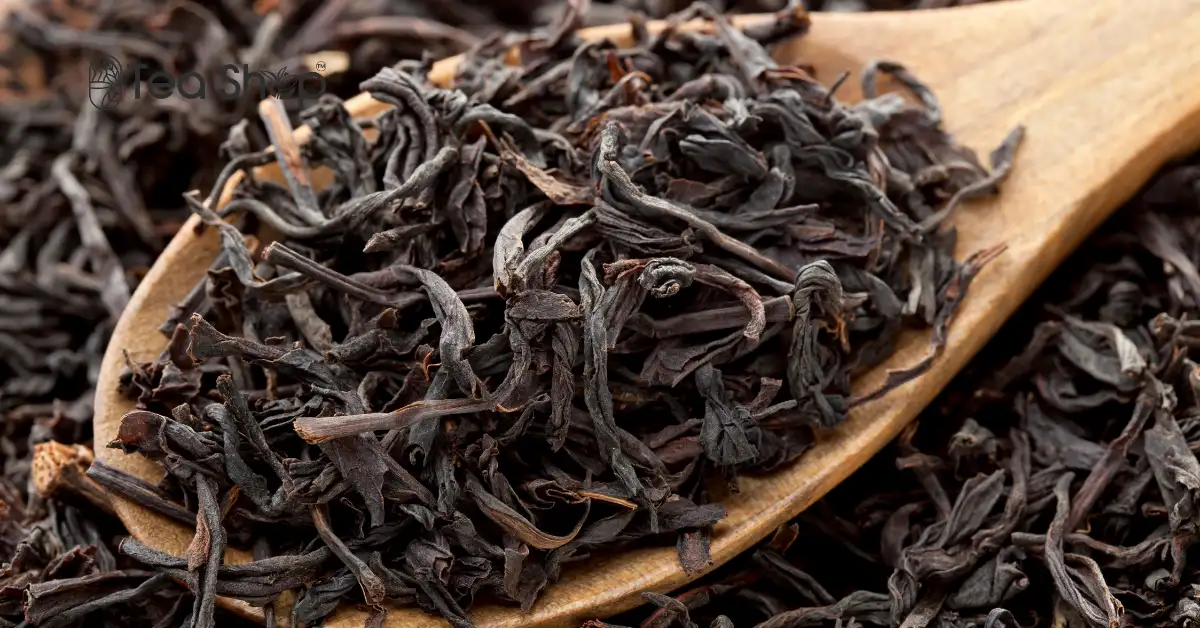
Orthodox tea is tea produced using traditional leaf-processing methods designed to preserve more of the natural shape and character of the tea leaf. Unlike the CTC (Crush, Tear, Curl) method, where leaves are mechanically processed into smaller, more uniform particles, orthodox processing generally involves carefully controlled stages such as withering, rolling, oxidation and drying.
For tea drinkers, the difference is easy to understand: orthodox tea is usually chosen for leaf character, aroma, flavour complexity and the experience of brewing the leaf, while CTC tea is widely valued for producing a strong, robust cup quickly.
Bangladesh produces both CTC and orthodox tea, and Tea Shop BD offers orthodox teas for customers who want to explore a more leaf-focused tea experience.
Quick Answer: What Is Orthodox Tea?
Orthodox tea is tea made using traditional processing methods in which tea leaves are withered, rolled, oxidized as required and dried while retaining more of their natural leaf structure. The term “orthodox” describes the processing method—not a separate tea plant. Orthodox black, green, oolong and other tea styles can all originate from the tea plant, Camellia sinensis.
That distinction is important. Green, black, oolong and white teas all come from Camellia sinensis; differences in processing contribute substantially to their final characteristics.
What Does “Orthodox” Mean in Tea?
In tea production, orthodox refers primarily to a method of processing.
It does not mean that the tea is automatically black tea, nor does the word itself guarantee that one tea will taste better than another.
Orthodox manufacturing is generally intended to retain recognisable leaf structure and develop desirable aroma and flavour characteristics through controlled processing.
This is why, when you open a packet of good loose-leaf orthodox tea, you may be able to see distinct rolled or twisted leaves rather than the small, relatively uniform particles commonly associated with many CTC teas.
How Is Orthodox Tea Made?
Exact production varies according to tea type, garden, manufacturer and desired style. For orthodox black tea, the process generally follows several important stages.
1. Plucking
Tea production begins with harvesting suitable shoots from the tea plant. The plucking standard and quality of the raw leaf can influence the final cup.
2. Withering
Freshly harvested leaves contain substantial moisture.
During withering, the leaves lose part of this moisture and become softer and more suitable for rolling. Chemical and aromatic changes also begin during this stage.
3. Rolling
The withered leaves are rolled rather than simply crushed into uniform particles.
Rolling shapes the leaves and disrupts their cells, helping initiate the reactions needed for subsequent oxidation in orthodox black tea production.
4. Oxidation
For orthodox black tea, rolled leaves are allowed to oxidize under controlled conditions.
During tea processing, polyphenolic compounds undergo enzymatic oxidation, contributing to the colour, aroma and characteristic sensory qualities associated with black tea.
This stage is one reason black tea tastes and looks very different from minimally oxidized green tea.
5. Drying
Once the desired oxidation has developed, the leaves are dried to reduce moisture and stabilize the finished tea.
6. Sorting and Grading
Finished tea can then be sorted according to leaf characteristics and grade.
Terms such as whole leaf, broken leaf and finer grades help describe the physical characteristics of the finished product, although grade alone should not be treated as a universal measure of flavour or overall quality.
Orthodox Tea vs CTC Tea: What Is the Difference?
This is one of the most common questions about orthodox tea.
CTC stands for Crush, Tear, Curl. The machinery processes tea leaves into relatively small, uniform particles that can produce a strong infusion quickly.
Orthodox processing generally places greater emphasis on retaining and shaping the leaf.
| Feature | Orthodox Tea | CTC Tea |
|---|---|---|
| Processing | Traditional rolling and controlled processing | Crush, Tear, Curl |
| Leaf appearance | More recognisable leaf structure | Smaller, more uniform particles |
| Cup style | Often more nuanced and aromatic | Typically strong and brisk |
| Brewing control | Excellent for loose-leaf brewing | Excellent for a strong quick cup |
| Common use | Loose-leaf and speciality tea | Milk tea and strong everyday tea |
| Best choice for | Exploring leaf, aroma and flavour | Strength, convenience and milk tea |
Neither process automatically makes every tea superior.
A well-made CTC can be excellent for Bangladeshi milk tea, while a well-made orthodox tea may be preferable when you want to appreciate aroma, leaf character and a more layered cup.
That distinction is much more accurate than saying CTC is simply “low quality.”

What Does Orthodox Tea Taste Like?
There is no single orthodox-tea flavour.
Taste depends on factors including:
- tea type
- origin and terroir
- cultivar
- harvest
- oxidation
- leaf grade
- processing
- brewing temperature and time
Depending on the tea, an orthodox black tea may present malty, floral, fruity, woody, honey-like or brisk characteristics.
This variability is part of the appeal: orthodox processing can allow individual teas to express noticeably different sensory profiles.
Potential Health Benefits of Orthodox Tea
Here we need an important distinction:
“Orthodox” is a processing description, not a medicine.
The potential health effects discussed below relate primarily to tea from Camellia sinensis—particularly black tea where applicable—not to an independently proven medical effect unique to the word “orthodox.”
Tea naturally contains compounds including polyphenols and caffeine, and polyphenols are among the compounds most frequently studied in relation to tea and health.
1. Tea Provides Polyphenols
Tea contains polyphenolic compounds. Processing changes their composition; during black-tea oxidation, tea polyphenols undergo transformations that contribute both to the sensory characteristics of black tea and to its chemical profile.
This is a much more scientifically defensible reason to discuss tea as part of a balanced diet than claiming that it “detoxifies” the body.
2. Black Tea and Cardiovascular Health
There is meaningful research examining black tea and cardiovascular outcomes.
A 2026 systematic review and meta-analysis covering 14 cohort studies, 958,477 participants and 16,990 coronary-heart-disease cases found that higher black-tea consumption was associated with a lower risk of coronary heart disease. Because these are largely observational associations, they should not be interpreted as proof that tea prevents heart disease.
A separate systematic review of population studies also found associations between increasing tea consumption and lower risks of several cardiovascular outcomes and mortality.
3. Black Tea May Have a Small Effect on Blood Pressure
Randomized controlled trials provide another interesting area of evidence.
A systematic review and dose-response meta-analysis of 13 trials found black-tea supplementation was associated with small reductions in systolic and diastolic blood pressure compared with controls. The reported average changes were modest—about 1.04 mmHg systolic and 0.59 mmHg diastolic.
So the responsible conclusion is not “orthodox tea cures high blood pressure.”
It is that research suggests black tea may have modest effects on some cardiovascular markers, while people with hypertension should continue following medical advice and prescribed treatment.
4. Tea and Type 2 Diabetes Risk
Research has also investigated tea consumption and type 2 diabetes, but the findings require nuance.
A 2023 updated systematic review/meta-analysis including 19 cohort studies and more than one million participants found no significant overall association between tea drinking and type 2 diabetes in the pooled analysis, although consumption of four or more cups per day was associated with lower risk in the analyzed data.
Earlier meta-analyses have also reported dose-related associations while emphasizing inconsistencies and the need for better research separating tea types and preparation methods.
Therefore, tea should not be presented as a diabetes treatment or substitute for medical care.
5. Caffeine Can Support Alertness—but It Is Not for Everyone
Tea naturally contains caffeine along with other compounds.
For many people, this is one reason tea works well as a morning or daytime beverage. However, caffeine sensitivity differs between individuals.
If caffeine affects your sleep, causes palpitations or otherwise causes discomfort, adjusting the quantity or timing of tea consumption may be sensible.
Does Orthodox Tea Help With Weight Loss?
This is where tea marketing often becomes exaggerated.
Orthodox tea should not be marketed as a guaranteed weight-loss or fat-burning product.
Tea and its components have been studied in relation to metabolism and body weight, but simply drinking orthodox tea does not guarantee meaningful weight loss.
NCCIH notes that tea—particularly green tea and its extracts—has been promoted for weight loss, but marketing claims should not be confused with established treatment effects.
For Tea Shop BD, the stronger message is:
Drink good tea because you enjoy the tea—not because somebody promises a miracle.
Is Orthodox Tea Healthier Than CTC Tea?
There is not enough evidence to make a blanket statement that all orthodox tea is healthier than all CTC tea.
Both can originate from Camellia sinensis, and final composition depends on the raw material, cultivar, processing, oxidation, storage and brewing.
The better reason to choose orthodox tea is usually its leaf character, aroma, flavour complexity, origin and brewing experience.
That is a stronger and more credible selling point than an unsupported medical comparison.
Orthodox Tea in Bangladesh
Bangladesh has a long-established tea industry, with tea cultivation particularly associated with regions such as Sylhet and the wider northeast, as well as other tea-producing areas.
For Bangladeshi consumers, orthodox tea provides an opportunity to explore the country’s tea beyond the familiar strong CTC cup.
Instead of judging tea only by colour or strength, orthodox tea encourages you to notice:
the dry leaf → aroma → infusion → liquor colour → body → finish.
That turns drinking tea into a more complete tasting experience.
How to Choose Good Orthodox Tea
When buying orthodox tea, do not judge it only by price.
Look at the actual product information.
Consider leaf appearance, origin, tea type, grade where available, aroma, processing information, freshness and recommended brewing method.
For online purchases, detailed sourcing and tasting information is particularly useful because you cannot smell or inspect the tea before ordering.
How to Brew Orthodox Black Tea
Brewing varies by tea, so the product’s specific instructions should take priority.
As a practical starting point:
Tea: approximately 2–3 g per cup
Water: fresh hot water
Steeping: around 3–5 minutes, adjusted to taste
Use less time for a lighter cup and adjust leaf quantity or steeping time for greater strength.
One advantage of loose-leaf orthodox tea is that you have much more control over these variables.
Can You Drink Orthodox Tea With Milk?
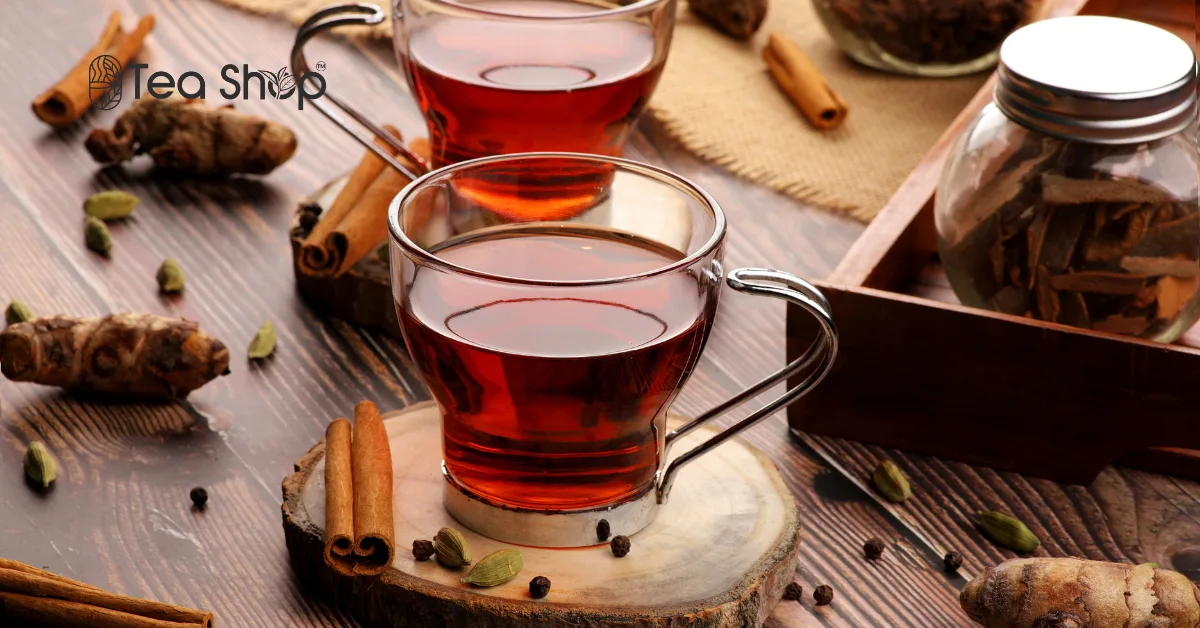
Yes—particularly orthodox black tea.
But whether milk improves the cup depends on the individual tea and your preference.
A delicate aromatic orthodox tea can be worth tasting without milk first, because milk may mask some of its subtler characteristics.
For a stronger orthodox black tea, milk may work very well.
Where to Buy Orthodox Tea in Bangladesh
If reading about orthodox tea has made you curious about how it actually tastes, the best next step is to experience the leaf rather than only read about it.
Tea Shop BD offers orthodox tea for customers who want to explore loose-leaf tea, Bangladesh tea and distinctive tea styles.
Try Orthodox Tea from Tea Shop BD
See the leaf. Smell the aroma. Brew it yourself. Then decide what good orthodox tea means to you.
For customers specifically looking for a different whole-leaf option, we can separately introduce the Leaf Orthodox Tea product without making it compete for the generic “what is orthodox tea” intent.
Frequently Asked Questions
What is orthodox tea?
Orthodox tea is tea processed using traditional methods such as withering, rolling, controlled oxidation where appropriate, drying and sorting, generally with greater retention of recognisable leaf structure.
Is orthodox tea the same as black tea?
No. “Orthodox” describes a processing approach rather than one specific tea colour. The term is commonly associated with orthodox black tea, but orthodox methods can be used to produce different tea styles.
What is the difference between orthodox tea and CTC tea?
Orthodox processing generally rolls and shapes the leaf, while CTC mechanically crushes, tears and curls it into smaller particles. CTC typically produces a strong, quick infusion; orthodox tea is often selected for leaf appearance, aroma and flavour complexity.
Is orthodox tea healthy?
Tea from Camellia sinensis contains polyphenols and other compounds that have been widely studied. Research on black tea has reported associations with cardiovascular outcomes and modest effects on some cardiovascular markers, but orthodox tea should not be presented as a treatment or cure for disease.
Does orthodox tea help with weight loss?
It should not be considered a guaranteed weight-loss product. Tea can be part of a balanced diet, but body-weight management depends on overall diet, activity and other individual factors.
Is orthodox tea better than CTC tea?
Neither is universally better. Choose CTC when you want a strong, brisk cup—particularly for milk tea—and orthodox tea when leaf character, aroma, nuanced flavour and brewing control matter more.
Can I buy orthodox tea online in Bangladesh?
Yes. Tea Shop BD offers orthodox tea online. The product page should provide current pack sizes, prices, origin information and brewing guidance.
Final Thoughts
So, what is orthodox tea?
It is not a different tea plant, and it is not automatically a “healthier” version of tea.
Orthodox tea is fundamentally about how the leaf is processed.
That processing can preserve more recognisable leaf structure and create the aroma, flavour and visual characteristics that make loose-leaf tea interesting to explore.
And that is exactly why orthodox tea deserves to be experienced rather than simply described.
If you have spent years drinking only strong, finely processed tea, try brewing a good loose-leaf orthodox tea once.
Look at the leaf before brewing.
Smell the dry aroma.
Watch it open.
Taste it without milk first.
Then decide which cup you prefer.
Explore Tea Shop BD Orthodox Tea