
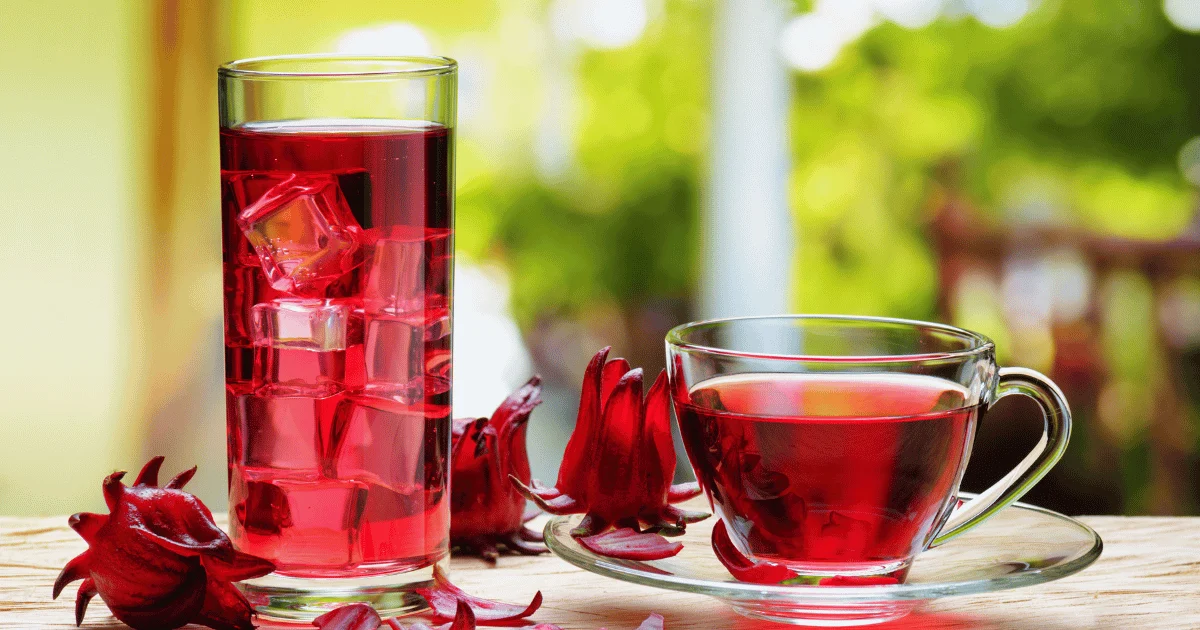
Imagine pouring hot water over a handful of dried, deep-red rosella calyces. Within minutes, the water begins turning a brilliant ruby red. The aroma is gently fruity, and the first sip delivers a lively tartness that may remind you of cranberry or unsweetened berry juice.
That distinctive character is what makes rosella tea an interesting choice for people in Bangladesh who want to explore something beyond familiar milk tea, green tea or black tea.
Despite its popular name, rosella tea is not conventional tea. It is a herbal or floral infusion prepared from the dried calyces of Hibiscus sabdariffa, a plant belonging to the mallow family. It contains no traditional tea leaves unless those are deliberately added to a blend.
Rosella can be enjoyed warm, served over ice, combined with fresh citrus or gently sweetened to balance its natural sourness. Its striking colour also makes it suitable for creative homemade drinks.
For Bangladesh-based buyers, however, enjoying rosella begins with understanding what the ingredient actually is, how to recognise suitable dried material, how to prepare it and what to check before ordering it online.
This guide explains those essentials, with a focus on flavour, preparation, responsible sourcing and practical choices for home use.
What Is Rosella Tea?
Rosella tea is a common name for an infusion made from rosella, scientifically known as Hibiscus sabdariffa. It is also called roselle, rosella flower infusion or hibiscus infusion.
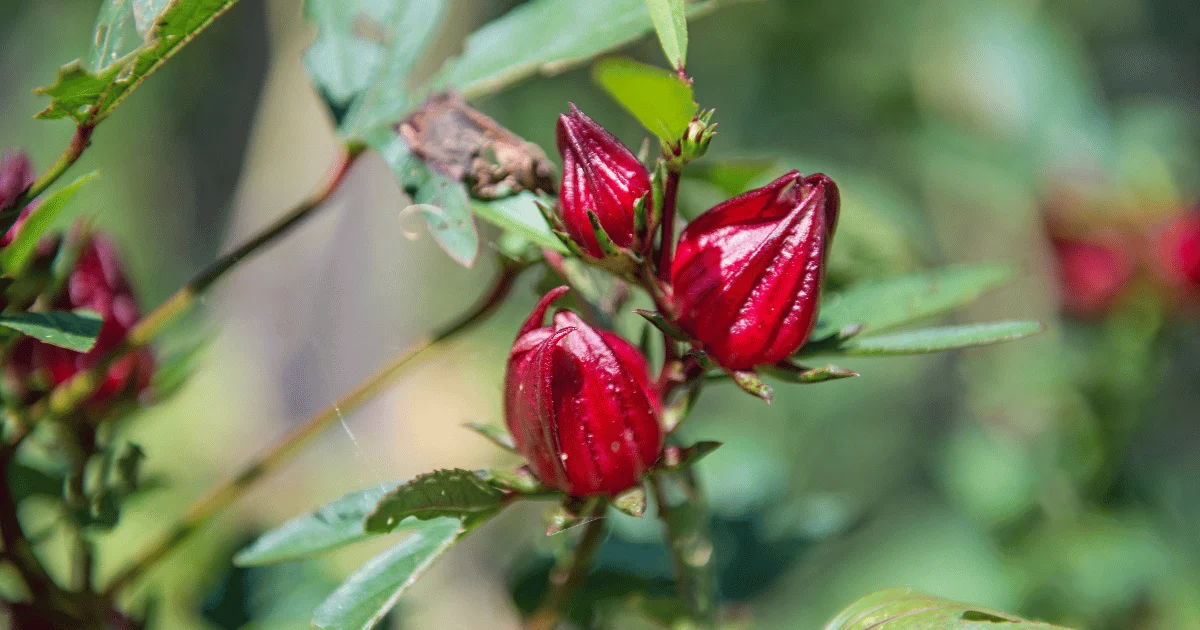
The plant is valued for several edible parts, but the familiar deep-red beverage is generally prepared using its fleshy calyces.
A calyx is the structure formed by the sepals around a flower. In rosella, this structure becomes thick and colourful as the plant develops. Once harvested and properly dried, the calyces can be infused in water to produce a naturally tart, brightly coloured drink.
The botanical identity of rosella is documented by the Royal Botanic Gardens, Kew, which recognises Hibiscus sabdariffa as the plant associated with the common names rosella and roselle.
This distinction matters because people sometimes describe rosella as dried flower petals. In everyday conversation, that description may be understandable, but the ingredient traditionally used for rosella beverages is more precisely identified as the calyx.
Is Rosella Tea Really Tea?
In everyday search behaviour, people use the word tea for many beverages prepared by steeping plants in water.
Botanically, however, traditional green, black, white and oolong teas come from Camellia sinensis.
Rosella belongs to a different plant species.
| Feature | Rosella Infusion | Traditional Tea |
|---|---|---|
| Botanical source | Hibiscus sabdariffa | Camellia sinensis |
| Main brewing material | Usually dried calyces | Processed tea leaves |
| Typical flavour | Tart and fruity | Varies by tea type |
| Typical liquor colour | Ruby red to deep crimson | Greenish, golden, amber or dark |
| Natural caffeine | No caffeine from pure rosella | Usually contains caffeine |
| Classification | Herbal or floral infusion | True tea |
At Tea Shop BD, we distinguish botanical infusions from traditional tea products so customers can understand exactly what they are choosing.
The term rosella tea remains useful because it is widely recognised by consumers, but rosella herbal infusion is the more precise description.
Why Is Rosella Becoming an Interesting Choice for Bangladesh?
Bangladesh has a long-established tea-drinking culture. For many households, tea means a strong cup prepared with milk and sugar, while others enjoy green, black, orthodox or speciality leaf teas.
Rosella offers a noticeably different experience.
Instead of the malty or leafy flavour associated with conventional tea, rosella delivers refreshing acidity and a bright fruit-like character.
It also works in several situations familiar to Bangladeshi households:
- As a warm, naturally tart drink during cooler weather.
- As a chilled drink during hot afternoons.
- As a colourful beverage for family gatherings.
- As a base for homemade refreshments with lemon, mint or ginger.
- As a caffeine-free option when prepared using only rosella.
These are serving possibilities rather than claims about how frequently Bangladeshis consume rosella.
The main attraction is choice. Someone who normally drinks CTC milk tea may enjoy rosella as an occasional alternative, while someone who already enjoys flower-based infusions may appreciate its stronger, fruitier taste.
Rosella also provides an opportunity to understand the difference between a conventional tea leaf and a botanical beverage.
What Does Rosella Tea Taste Like?
Rosella has a distinctive taste that is difficult to confuse with ordinary black or green tea.
Its most noticeable feature is acidity.
A well-prepared rosella infusion may have a tartness reminiscent of cranberry, red currant or another sharp fruit drink. The exact flavour depends on the dried material, its condition, concentration, water quality and preparation method.
The Main Flavour Characteristics
Tartness: Rosella’s defining character. This may feel pleasantly refreshing to someone who enjoys unsweetened citrus or sour fruit drinks.
Fruit-like notes: The flavour can suggest berries, even though pure rosella does not necessarily contain fruit.
A light botanical background: Depending on the material, a mild plant-like or floral character may sit behind the acidity.
A clean finish: Properly prepared rosella generally leaves a bright, tart impression rather than the tannic sensation associated with strongly brewed black tea.
Rosella does not have the same mouthfeel as a creamy milk tea. It is also not naturally sweet in the way some flavoured packaged drinks may taste.
If you prefer sweet beverages, you can add a modest amount of sugar, honey or another suitable sweetener after brewing.
If you prefer sharp and refreshing flavours, try it unsweetened first.
Why Does the Flavour Change Between Batches?
Even when two packages contain the same botanical species, the resulting drink may differ.
Several factors contribute:
- Plant material: Whole calyces, cut pieces and fine fragments may extract differently.
- Drying and handling: Processing affects appearance, aroma and overall quality.
- Age and storage: Long exposure to moisture, light or air can reduce desirable sensory qualities.
- Brewing concentration: More rosella relative to water usually creates a stronger infusion.
- Steeping time: Longer contact with hot water can increase extraction.
- Added ingredients: Lemon, ginger, mint and sweeteners change the final flavour.
For this reason, it is better to understand the ingredient and adjust your preparation than to expect every rosella beverage to taste identical.
Why Is Rosella Tea Naturally Red?
One of rosella’s most memorable characteristics is its colour.
When dried rosella calyces are placed in hot water, the infusion often becomes pink, ruby red or deep crimson.
The colour comes largely from naturally occurring plant pigments called anthocyanins.
These pigments are found in various colourful plant foods and are responsible for many red, purple and blue tones.
Rosella also contains organic acids, including compounds associated with its characteristic sour flavour.
Research reviews of Hibiscus sabdariffa discuss both its anthocyanin pigments and its organic-acid composition.
However, the intensity of a rosella infusion’s colour is not a reliable laboratory measure of product quality or health effects.
A deeper red cup might simply result from using more dried material or steeping for longer.
Likewise, a lighter cup does not automatically mean the ingredient is poor.
The most useful evaluation considers colour together with aroma, flavour, cleanliness, storage condition and product information.
How to Brew Rosella Tea at Home
Preparing rosella does not require specialised equipment.
A clean cup, a small infuser or strainer, suitable drinking water and food-grade dried rosella are enough.
For a first cup, use a moderate concentration so you can understand the flavour before adjusting it.
A Simple Hot Rosella Infusion
<text></text>
Ingredients
- 2–3 grams of food-grade dried rosella calyces
- 250 ml of freshly heated drinking water
- Honey or sugar, optional
- A slice of lemon, optional
Method
- Bring fresh drinking water to a boil.
- Place the dried rosella in a clean, heat-safe cup or teapot.
- Pour approximately 250 ml of hot water over it.
- Cover the cup and steep for around 5–8 minutes as an initial preference-based guideline.
- Strain into a serving cup.
- Taste before adding anything.
- Adjust with a little water, sweetener or lemon if desired.
This is a practical starting recipe, not a universal manufacturing specification. The preferred quantity and steeping time may change with the material’s cut size and your taste.
If the infusion is too strong, dilute it rather than automatically adding more sugar.
If it is too light, use slightly more rosella in your next cup.
Can Rosella Be Served Cold?
Yes. Rosella is particularly suited to chilled drinks because its acidity remains noticeable when served over ice.
One convenient method is to brew a hot infusion, strain it and allow it to cool before refrigerating it promptly.
Serve the chilled infusion over clean ice, with optional citrus or mint.
For a stronger cold drink, prepare the initial infusion with a little less water, then dilute it as the ice melts.
Avoid leaving prepared herbal drinks at room temperature for extended periods. Refrigerate leftovers promptly and use clean utensils and containers.
For a more detailed rosella-specific brewing tutorial, the broader preparation guidance in this article can later be supported by a dedicated recipe page without repeating the entire informational guide.
Rosella Tea Flavour Pairings Worth Trying
Rosella is versatile because its pronounced acidity can balance several familiar ingredients.
Not every addition improves the drink for every person, though. The best combination depends on whether you want the result to be sharper, sweeter, spicier or more aromatic.
Rosella with Lemon
Lemon reinforces the citrus-like sharpness.
Use a small amount initially because rosella is already acidic. Too much lemon can make the drink unpleasantly sour.
Rosella with Ginger
Fresh ginger introduces warmth and a gentle spicy bite.
This combination can be enjoyable as a warm beverage, particularly for people who like the flavour of ginger-infused drinks.
Rosella with Mint
Mint adds a fresh herbal aroma that can make chilled rosella drinks especially pleasant.
It works well with a little ice and, if desired, mild sweetness.
Rosella with Honey
Honey softens the perceived acidity and changes the aroma.
Allow the drink to cool to a comfortable temperature before adding honey if you want its flavour to remain noticeable.
Do not serve honey to children younger than one year.
Rosella with Cinnamon
A small piece of cinnamon can create a warmer flavour profile.
Use it sparingly so it does not dominate the rosella.
Rosella with Butterfly Pea Flower
Rosella’s red colour and butterfly pea flower’s blue colour can create an interesting visual combination.
The appearance changes according to ingredient concentration and acidity.
For readers interested in another colourful botanical infusion, Tea Shop BD has a separate Butterfly Tea product page.
Butterfly pea and rosella are different plants with different flavour profiles; neither should be described as conventional tea unless blended with actual tea leaves.
How to Choose Quality Dried Rosella in Bangladesh
When shopping for rosella online, presentation alone is not enough.
A package may look attractive while providing little information about its ingredients, condition or handling.
The strongest purchasing decision begins with a few practical questions.
1. Check the Botanical Identity
Look for a description identifying the product as rosella, roselle or Hibiscus sabdariffa.
This is especially helpful because the word hibiscus can refer to many species.
Not every ornamental hibiscus is the same ingredient used for rosella beverages.
2. Check Which Plant Part Is Included
For a conventional rosella infusion, dried calyces are commonly used.
A clear product description should distinguish whole calyces, cut calyces and powdered material.
Be cautious about products that provide no useful ingredient information.
3. Examine the Material’s Condition
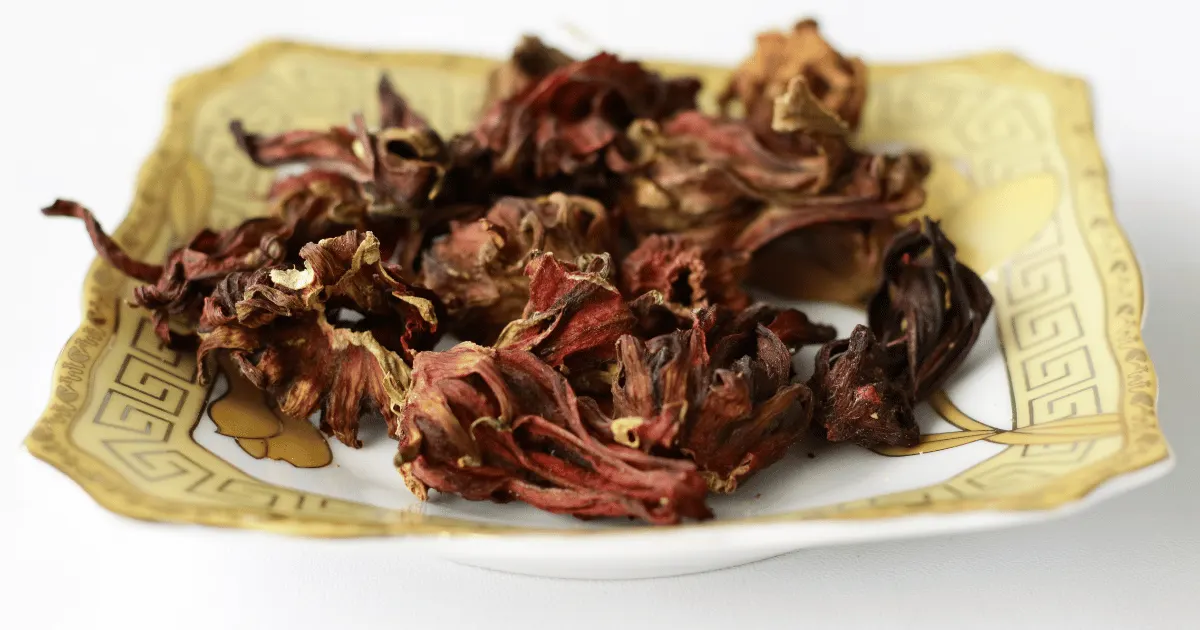
Dried rosella may appear dark red, burgundy or reddish-purple depending on its condition and variety.
Look for reasonably consistent material without obvious dampness, visible mould, unusual contamination or unrelated foreign matter.
Natural variation in colour is expected.
Perfectly uniform appearance is not necessarily proof of better quality.
4. Review Packaging Protection
A suitable package should help protect the contents against moisture, insects, contamination and excessive exposure to air.
For Bangladesh’s humid climate, secure packaging becomes particularly important after the product has been opened.
5. Look for Clear Batch and Product Information
Useful details may include:
- Ingredient identification
- Net weight
- Packaging or batch information
- Best-before information, where applicable
- Storage instructions
- Seller or packer identification
- Origin information when established and declared
A seller providing understandable information makes it easier to compare products responsibly.
6. Avoid Exaggerated Claims
Be cautious if a product is marketed primarily as a guaranteed solution for weight loss, blood pressure, diabetes or other medical conditions.
Rosella is a food and beverage ingredient, not a substitute for medical treatment.
An informative description of its flavour, ingredients and handling is more useful than dramatic promises.
Understanding Rosella Tea Price in Bangladesh
People searching for rosella tea price in Bangladesh often want to know whether a product offers reasonable value.
However, there is no single price that accurately represents every supplier, pack size and product grade.
Instead of relying on an outdated price, compare the following factors.
| Buying factor | Why it matters |
|---|---|
| Net weight | Allows fair comparison between different packs |
| Whole vs cut calyces | Changes handling and potentially brewing convenience |
| Ingredient purity | Shows whether you are buying pure rosella or a blend |
| Packaging | Affects protection during transport and storage |
| Source disclosure | Helps assess traceability |
| Delivery charge | Changes the total cost of an online order |
| Product condition | Matters more than an attractive promotional discount |
Calculate the Cost Per Cup
Suppose, purely as an example, you buy a 100g pack and use 2.5g per serving.
That pack provides approximately:
100 ÷ 2.5 = 40 servings
To estimate the cost per serving, divide the pack price by 40.
Then include a reasonable share of delivery charges if you are comparing online purchases.
This calculation helps explain why a lower sticker price does not always mean a more economical product.
It is an example of pack-size mathematics, not a statement of Tea Shop BD’s Rosella pricing or current inventory.
Rosella vs Other Flower and Herbal Infusions
Rosella is often grouped with rose, chamomile, peppermint and butterfly pea products.
They may share a similar method of preparation, but they differ considerably in flavour and botanical identity.
| Infusion | General flavour character | Common preparation style |
|---|---|---|
| Rosella | Tart, fruity and sharp | Hot or iced |
| Chamomile | Gentle, floral and mild | Usually warm |
| Peppermint | Minty and cooling | Hot or chilled |
| Rose | Floral and aromatic | Hot or chilled |
| Butterfly pea | Mild, earthy or botanical | Hot or iced |
These descriptions are general sensory characteristics, not a claim that every product has been tested side by side by Tea Shop BD.
One especially useful distinction is that rosella is naturally more acidic in taste than many mild floral infusions.
If you enjoy sharper fruit-like flavours, rosella may be worth exploring.
If you prefer a soft floral aroma, a rose infusion might be more appealing.
Tea Shop BD’s existing Rose Tea product provides another option for readers interested in floral drinks.
For a broader introduction, read Flower Tea in Bangladesh, which explores different floral beverages and blends.
How Tea Shop BD Approaches Tea and Herbal Infusions
Tea Shop BD’s core tea selection is closely connected to Bangladesh’s tea-growing heritage.
The business works with tea sourced through its own growing relationships, contracted producers, auctions and other selected supply channels, depending on the tea type.
Its approach includes attention to leaf selection, processing, blending, grading, packaging and the experience a customer gets from the finished cup.
Herbal and floral infusions are handled as a separate product family.
For rosella and chamomile, Tea Shop BD sources the botanical ingredients from external suppliers rather than presenting them as products grown in its own tea gardens.
That distinction is important.
A locally produced Bangladeshi green or black tea and an externally sourced rosella infusion can both belong to a broad beverage collection, but they should not be presented as having the same botanical identity or origin.
The aim is to help customers understand their options without confusing international beverage styles, Bangladeshi tea-growing regions and the actual sources of botanical ingredients.
For products under consideration, attention to appearance, aroma, flavour and brewing behaviour can help inform selection. However, specific origin, grade, batch and quality certification details should always be checked against the actual product information.
How to Store Rosella in Bangladesh’s Humid Climate
Dried botanicals require thoughtful storage, especially in places where humidity can rise during the monsoon.
Rosella’s dried condition makes it convenient to keep at home, but it still needs protection.
Choose a Suitable Container
After opening the original package, keep the material in a dry, tightly closed container or a protective resealable pouch.
The container should be clean and completely dry before the ingredient is placed inside.
Avoid Steam and Moisture
Do not keep the open package next to a boiling kettle or above the cooking stove.
Steam can introduce moisture into material that is intended to remain dry.
Always use a clean, dry spoon or scoop.
Reduce Light and Heat Exposure
A cool, dry cupboard away from direct sunlight is generally preferable to a window ledge or warm cooking area.
Avoid unnecessary temperature fluctuations.
Do Not Mix Old and New Stock Carelessly
If you buy a new pack while an older one remains open, keep batch information identifiable.
Use the older suitable material first, following its storage and best-before instructions.
Know When Not to Use It
Do not prepare an infusion from material showing visible mould, abnormal moisture, insect contamination or a concerning off-odour.
If the ingredient’s condition is uncertain, replacing it is safer than trying to rescue it through boiling.
Good storage protects the ingredient’s usability; it does not make an unsafe product safe.
Does Rosella Tea Contain Caffeine?
Pure rosella infusion is naturally caffeine-free because the rosella calyces are not conventional tea leaves.
This makes it different from ordinary black, green or oolong tea.
However, the answer changes if rosella is sold as part of a blend.
A product combining rosella with black tea, green tea or another caffeine-containing ingredient may contain caffeine.
Therefore, readers should always check the ingredient list rather than assuming that every product described as hibiscus or rosella tea is caffeine-free.
The same principle applies to sweeteners, fruit flavourings and other additives.
A pure botanical infusion and a commercially prepared flavoured drink can have different ingredient compositions.
What About Rosella Tea Benefits and Safety?
Rosella has attracted scientific interest because it contains organic acids, anthocyanins and other plant compounds.
Research has investigated these constituents and their possible biological effects.
However, the presence of naturally occurring compounds does not establish that an ordinary cup of rosella infusion will prevent, control or cure a disease.
Clinical research involving hibiscus preparations has limitations, and the results should not be interpreted as a reason to replace prescribed medication.
The US National Center for Complementary and Integrative Health notes that evidence for roselle and certain other dietary products in blood-pressure management is limited, with effects that are not comparable to prescribed drugs.
For an everyday beverage guide, it is more useful to focus on what can be understood directly: the ingredient, flavour, preparation and suitability for a person’s preferences.
People who are pregnant, breastfeeding, taking medication or managing a medical condition should seek personalised advice from a qualified healthcare professional before consuming concentrated herbal preparations regularly.
Those with known botanical allergies should review ingredients carefully.
A food-grade infusion should be enjoyed as a beverage, not advertised as a treatment.
Common Mistakes When Preparing Rosella
A few simple mistakes can change an otherwise enjoyable drink.
Using too much dried material: This may create an overly sour infusion that is difficult to enjoy without substantial dilution or sweetening.
Adding lemon before tasting: Rosella is already tart. Extra citrus can overwhelm its flavour.
Ignoring ingredient quality: Strong colour alone cannot compensate for poor storage, contamination or unclear ingredient identification.
Confusing every hibiscus flower with rosella: The familiar beverage is associated with a particular botanical species, Hibiscus sabdariffa.
Assuming every packaged rosella drink is caffeine-free: Blends may contain real tea leaves.
Leaving prepared drinks unrefrigerated: Brewed infusions are perishable beverages and should be handled hygienically.
Treating every dark-red batch as identical: Natural raw ingredients vary, so preparation may need minor adjustment.
Understanding these differences makes it easier to prepare a drink that suits your taste.
Frequently Asked Questions About Rosella Tea
1. What is rosella tea called in Bangladesh?
Many people refer to it as rosella tea, roselle tea, hibiscus tea or রোজেলা চা. Depending on local usage, rosella may also be known by regional plant names. Botanically, the familiar beverage ingredient is associated with Hibiscus sabdariffa.
2. Is rosella a real tea?
Rosella is a botanical infusion rather than traditional tea made from Camellia sinensis. The phrase rosella tea is a familiar consumer search term, but rosella herbal infusion is more precise.
3. Is rosella tea naturally sweet?
No. Pure rosella generally tastes tart and fruity rather than sweet. Sweeteners can be added according to preference.
4. Can I drink rosella tea without milk?
Yes. Rosella is commonly prepared using water alone. It is generally more suitable as a clear infusion than as a conventional creamy milk tea because of its natural acidity.
5. Can I use rosella to prepare iced drinks?
Yes. Brew the infusion, strain it, cool it safely and serve it over ice. Lemon, mint, ginger and other suitable additions can provide flavour variations.
6. Is rosella tea the same as hibiscus tea?
Rosella belongs to the hibiscus genus, and products made specifically from Hibiscus sabdariffa may be described as rosella or hibiscus infusions. However, hibiscus is a broad botanical name, so the species and ingredient description should be checked.
7. Does rosella contain caffeine?
Pure rosella calyces do not naturally supply caffeine. A blend that includes black or green tea may contain caffeine.
8. Where can I buy rosella tea in Bangladesh?
Look for suppliers providing clear botanical identification, packaging details, usable ingredient information and delivery terms. Tea Shop BD customers can browse its current online shop for available tea and botanical products. Check the live catalogue or enquire before assuming rosella itself is currently in stock.
9. How much rosella should I use per cup?
As an initial home-brewing guideline, try approximately 2–3g for 250ml of water, then adjust to taste and follow the supplier’s specific instructions when provided.
10. How should dried rosella be stored?
Keep it in a clean, dry, tightly closed container away from moisture, excessive heat, direct sunlight and strong kitchen odours. Follow product-specific storage instructions and avoid using material that appears contaminated.
11. Is rosella the same as rose tea?
No. Rosella comes from Hibiscus sabdariffa, while rose infusions use material from rose plants. They differ in botanical identity, aroma and flavour.
12. Is all rosella sold in Bangladesh grown locally?
Not necessarily. Rosella may be obtained through different growing and supply channels. The exact origin of an individual product or batch should be confirmed with the supplier. Tea Shop BD does not classify externally sourced rosella as tea grown in its own gardens.
Discover More Tea and Botanical Infusions with Tea Shop BD
Rosella introduces a different dimension to beverage discovery: vivid natural colour, pronounced tartness and the flexibility to be served hot or cold.
It is not a replacement for traditional Bangladeshi tea. Instead, it offers a separate botanical experience for people interested in exploring new flavours and preparation styles.
Tea Shop BD believes customers should be able to distinguish tea leaves from botanical infusions, understand sourcing information and make buying decisions based on accurate product descriptions.
Whether you prefer the richness of CTC black tea, the lighter character of green tea or the colourful possibilities of floral infusions, choosing the right beverage begins with knowing what is in your cup.
Explore the Tea Shop BD online collection to compare currently available products, or learn more about the wider world of flower-based infusions.
Choose by flavour. Understand the ingredients. Enjoy your cup your way.
Sources and Further Reading
The following independent, non-competing references support the botanical, preparation and scientific explanations in this guide:
- Royal Botanic Gardens, Kew — Rosella (Hibiscus sabdariffa) Botanical Name Record
- Oregon State University Extension — Garden Herbal Tea
- Auburn University — How to Make Herbal Tea
- Organic Acids from Roselle (Hibiscus sabdariffa): A Scientific Review
- US National Center for Complementary and Integrative Health — High Blood Pressure and Complementary Health Approaches