
Leaf black tea is easy to misunderstand because three different ideas often get mixed together: leaf appearance, processing method and grade.
A tea can have visible leaves without being the same thing as every orthodox tea. A broken-leaf tea can still be leaf black tea. A CTC tea is also made from tea leaves, but its finished dry form is deliberately much smaller and more uniform. And a large, attractive leaf does not automatically prove better quality.
For a Bangladesh buyer, the useful question is not “Are the leaves big?” It is:
What kind of black tea is this, how was it processed, how does it brew, and does that cup suit the way I actually drink tea?
This guide is built around that decision. It explains where leaf black tea sits between everyday CTC tea and more explicitly orthodox whole-leaf tea, how to judge the cup, how to brew it without hiding the character, and how to buy it online without relying on vague words such as “premium” or “long leaf.”
Bangladesh Tea Research Institute explains that black tea in Bangladesh is produced through both CTC and orthodox processing, and that made tea is later sorted into grades by particle size. That distinction is useful because it separates processing from the final leaf format. See the BTRI tea-processing overview.
The Leaf Black Tea Identity Check
Before judging taste or price, identify the tea on three separate axes.
| Question | What you are identifying | Why it matters |
|---|---|---|
| What does the dry tea look like? | Whole, semi-whole, twisted, broken or mixed visible leaf | Helps predict brewing speed and visual character |
| How was it processed? | Orthodox, another leaf-style process, or a blend of processed teas | Processing affects structure, oxidation and cup behaviour |
| What grade or sorting term is used? | Whole-leaf, broken-leaf or another commercial grade description | Grade describes form or sorting; it is not a universal quality score |
If a product page only says “premium leaf tea” without explaining any of these points, the description is incomplete.
Tea Shop BD now has at least one live product explicitly labelled Leaf Black Tea: Poppy Roll Black Tea. The site also carries whole-leaf orthodox black teas such as Leaf Orthodox Tea. Those examples are useful because they show why “leaf black tea” and “orthodox tea” can overlap without being identical labels.
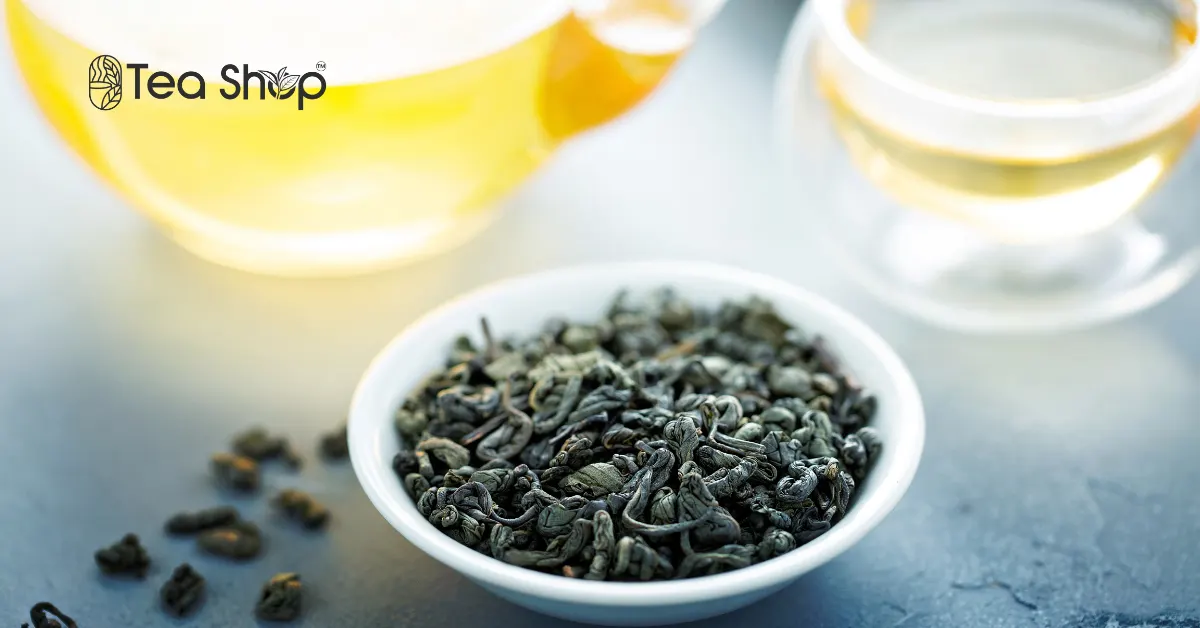
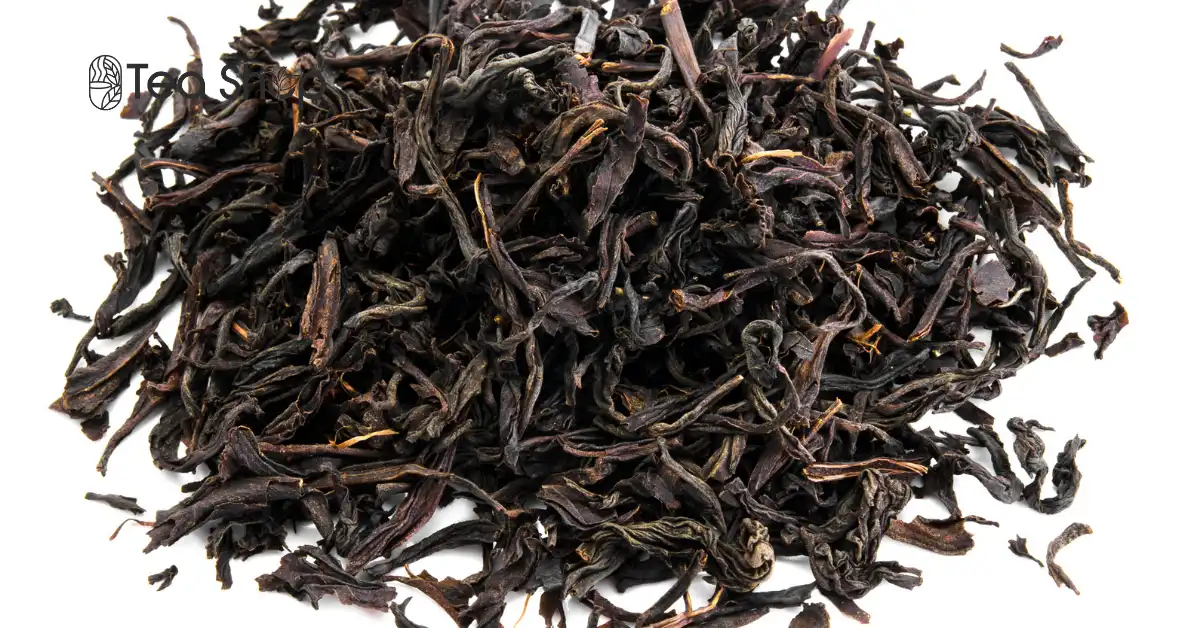
Leaf format is what you see
Visible leaf can include:
- whole leaves;
- semi-whole leaves;
- twisted or rolled leaves;
- larger broken leaves;
- smaller broken leaf pieces;
- bud-and-leaf selections;
- mixed leaf formats.
Leaf size can influence extraction, but it does not tell you the full processing history.
Processing is what happened to the leaf
Black tea is made by withering, disrupting or rolling the leaf, allowing oxidation, drying and sorting. BTRI distinguishes CTC and orthodox manufacture as different black-tea processing routes.
That means “leaf black tea” should not be used as a synonym for “orthodox” unless the product itself is verified as orthodox.
Grade is a sorting language, not a trophy
Grade names can describe particle size, leaf style or sorting convention. They help buyers understand the physical tea, but they do not guarantee that every higher-sounding label will taste better to every person.
A strong broken-leaf tea may be more useful for a family that adds milk. A more delicate whole leaf may be more interesting for plain drinking. The better choice depends on use.
Where Leaf Black Tea Sits Between CTC and Orthodox Tea
Think of the black-tea shelf as a spectrum rather than three sealed boxes.
| Feature | CTC Black Tea | Leaf Black Tea | Orthodox Whole-Leaf Black Tea |
|---|---|---|---|
| Dry form | Small granules or particles | Visible whole/broken/twisted leaf | Whole or semi-whole rolled leaf |
| Extraction | Usually fast | Moderate to fast depending on breakage | Often more gradual |
| Typical control | Easy to make strong quickly | Flexible | More sensitive to time and ratio |
| Milk use | Often very practical | Product-dependent | Usually lighter milk or plain use |
| Plain drinking | Possible with careful timing | Often well suited | Common use |
| Visual leaf character | Low | Medium to high | High |
This table is a practical buying framework, not a ranking.
If your main goal is a strong everyday milk tea, a CTC product such as Premium Blend Tea may be the more direct fit. If you want to see the leaf and taste the cup plain before deciding on milk, leaf black tea becomes more interesting.
The overlap with orthodox tea
Many orthodox black teas are also leaf black teas because they preserve visible leaf structure.
But the reverse does not have to be true. A seller may use “leaf black tea” as a broader consumer-facing format description while “orthodox” is a processing claim that should be supported by the product specification.
For buyers, the safe rule is simple:
Treat “leaf black tea” as a format/type description. Treat “orthodox” as a processing description that should be verified.
Read the Cup in Four Dimensions
A leaf black tea is easier to evaluate when you stop searching for one fixed flavour profile.
1. Aroma
Smell the dry leaf, then the wet leaf, then the liquor.
Depending on the actual product, you may find malty, toasted, floral, woody, honey-like or fruit-like impressions. Those notes should come from tasting or product-specific evidence, not from the regional name alone.
2. Body
Body is the weight of the tea in the mouth.
A leaf black tea can be light, medium or full-bodied. Larger leaves do not automatically mean lighter body, and broken leaves do not automatically mean poor quality.
3. Briskness and astringency
Black tea can feel lively, brisk or drying. Some drinkers enjoy that structure; others prefer a smoother cup.
If the cup becomes aggressively rough, first check the brewing method before blaming the tea.
4. Finish
Notice what remains after swallowing.
A clean, short finish can be just as appropriate as a longer, more layered finish depending on the tea and the drinking occasion.
Choose Leaf Black Tea by the Way You Drink
Instead of asking for the “best leaf tea,” match the tea to your routine.
| Your usual cup | What to look for | What to avoid assuming |
|---|---|---|
| Plain morning black tea | Medium body, clear aroma, controlled briskness | That darker colour always means better tea |
| Light milk tea | Enough body to remain present after a small amount of milk | That every leaf tea can handle heavy milk |
| Guest serving | Clean leaf appearance, stable brewing, pleasant aroma | That visual leaf size alone proves quality |
| Slow afternoon cup | Aroma, finish, gradual extraction | That “premium” wording guarantees complexity |
| Strong dudh cha | Consider whether CTC is actually the better tool | Forcing a delicate leaf tea into a heavy milk recipe |
If you mostly drink tea plain
Leaf black tea is a strong candidate because plain brewing lets you notice aroma, body and finish without milk covering the cup.
Start with a product that clearly states its tea type and brewing method. Poppy Roll Black Tea is currently labelled as Leaf Black Tea on Tea Shop BD, while Orthodox Tea provides a more explicitly orthodox whole-leaf comparison point.
If you add a little milk
Choose a leaf black tea with enough body.
Brew the tea first, taste it, then add milk gradually. This tells you whether the tea remains noticeable or disappears under the milk.
If you make strong family dudh cha
Do not assume leaf black tea must replace CTC.
CTC is designed to extract quickly and can be more practical when you need bold colour and body after milk and sugar. Leaf black tea is worth using when you specifically want more aroma or a less aggressive cup.

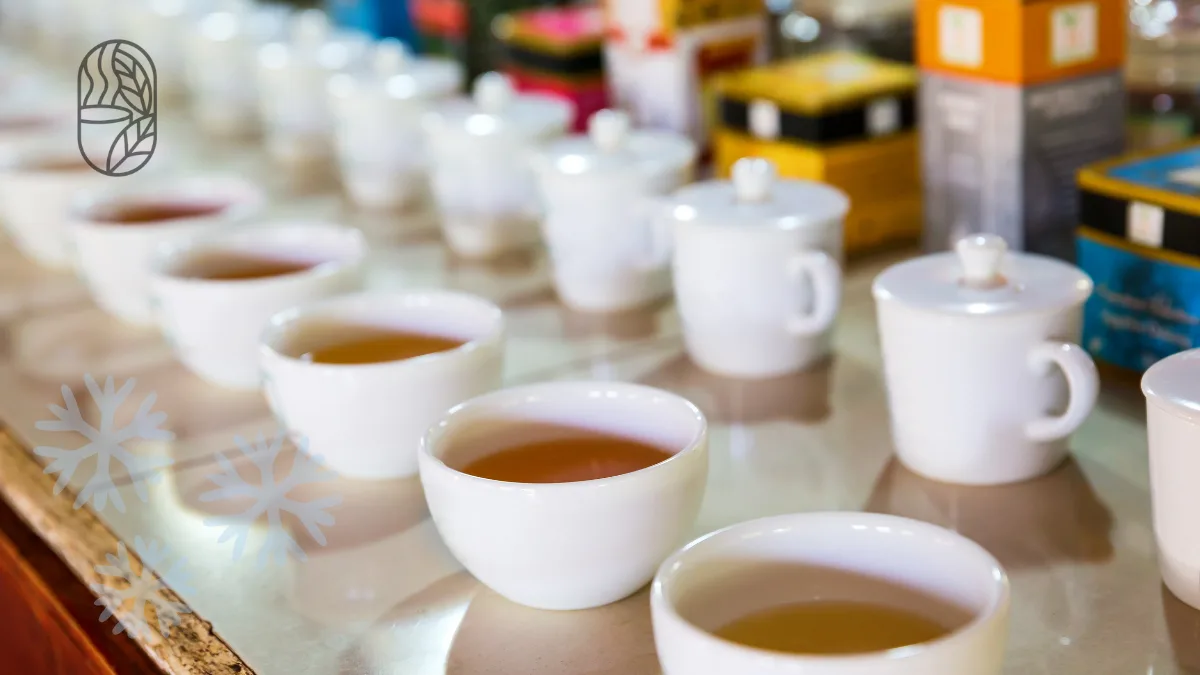
A Two-Cup Test That Tells You More Than the Label
This article is not a full tea-tasting manual. You only need one simple comparison to learn whether a leaf black tea suits you.
Cup A: Plain reference cup
Brew the tea according to the verified product instructions.
Taste it without milk or sugar and record:
- aroma;
- body;
- briskness;
- bitterness;
- finish.
Cup B: Your real-life cup
Prepare the same tea again and add the amount of milk, sugar, lemon or spice you actually use at home.
Now ask:
- Is the tea still noticeable?
- Did milk improve the body or hide the aroma?
- Did sugar balance the cup or cover it?
- Would you choose this tea for daily drinking?
This test is more useful than deciding from leaf size alone because it connects the product to your actual routine.
Brewing Leaf Black Tea Without Flattening the Character
Use the product-specific brewing instructions first.
As a broad black-tea reference, the UK Tea & Infusions Association recommends fresh water, approximately 90–98°C for black tea and generally about 3–4 minutes for many black teas, while still advising drinkers to follow the instructions on the pack. See the UK Tea & Infusions Association brewing guide.
Start with control, not force
A sensible first attempt is:
- use fresh drinking water;
- measure the tea rather than filling the infuser by eye;
- use the product’s stated water temperature;
- steep for the stated time;
- remove or strain the leaves completely;
- taste plain before adjusting.
If the tea tastes too harsh
Check in this order:
- steeping time;
- tea quantity;
- water temperature;
- water quality;
- freshness and storage.
Do not fix every harsh cup by adding more milk or sugar.
If the tea tastes weak
Check whether the mug is larger than you think and whether the leaf quantity matches the water volume.
The article How Much Tea Should You Use Per Cup in Bangladesh should own the deeper ratio calculation once that URL is live. Until then, this page only needs enough measurement guidance to complete the leaf-black-tea task.
Bangladesh Origin: Useful Context, Not a Flavour Guarantee
The source draft correctly treats origin as something that should be verified. That boundary should stay strict.
Bangladesh black tea can come from different growing and sourcing areas, and Tea Shop BD product pages may identify region, garden or blend information at product level. But a regional name should not be turned into a guaranteed tasting note.
Do not write:
- “Sreemangal leaf tea always tastes floral”;
- “Panchagarh leaf tea is always light”;
- “Northern tea is always orthodox”;
- “Chattogram tea is always CTC.”
Instead, verify the actual product.
For example, Tea Shop BD’s Leaf Orthodox Tea currently identifies itself as orthodox whole-leaf black tea and provides product-specific sourcing and brewing information. That information belongs to that product; it should not be automatically applied to every Bangladesh leaf black tea.
What to Check Before Buying Leaf Black Tea Online
A good product page should let you answer these questions without guessing.
Tea identity
- Does it clearly say black tea?
- Does it identify leaf format?
- Does it state orthodox processing if the seller is making that claim?
- Does it distinguish whole leaf from broken leaf where relevant?
Product evidence
- Is Bangladesh origin stated clearly?
- Is any regional or garden claim specific?
- Are tasting notes product-specific rather than copied from a regional stereotype?
Brewing information
- Tea quantity?
- Water volume?
- Temperature?
- Steep time?
- Milk or plain-tea guidance where relevant?
Pack and freshness
- Net weight?
- Pack options?
- Storage guidance?
- Current stock and price?
Tea Shop BD’s Shop should remain the primary commercial destination for current prices, stock and pack variations rather than hardcoding changing price data into this evergreen guide.
Price: Compare Value Without Turning This Into a Price Article
Leaf black tea price can vary because of leaf selection, processing, sorting, sourcing, pack size and product positioning.
But this page should not become another “leaf tea price in Bangladesh” article.
That exact broad price intent is already partly owned by the older live post Leaf Tea Category and Price in Bangladesh, which must be cleaned up before this new Leaf Black Tea guide is published.
For this article, only teach the buyer to compare:
- current pack price;
- net weight;
- price per gram where useful;
- expected brewing yield;
- whether the tea suits the intended cup.
Current prices belong on the live product page.
Storage Matters More Than Leaf Size
A beautiful visible leaf can still lose aroma if stored badly.
In Bangladesh’s humid conditions, protect leaf black tea from:
- moisture;
- steam;
- direct sunlight;
- heat;
- open air;
- strong kitchen odours.
Tea Shop BD already has a dedicated Tea Freshness and Storage in Bangladesh guide. That page should own detailed storage intent; this section only explains why storage matters to leaf-black-tea quality.
Five Buying Traps Specific to Leaf Black Tea
“Big leaf means better tea”
No. Leaf size changes appearance and extraction behaviour, but quality is broader than size.
“Leaf black tea means orthodox tea”
Not automatically. Verify the processing claim.
“Leaf tea must be mild”
Broken-leaf black tea can be bold and fast-extracting.
“More expensive means more aromatic”
Price can reflect many factors. Taste the product instead of treating price as a sensory score.
“If it has a regional name, I know the flavour”
Origin is context. The final cup still depends on leaf material, processing, sorting, storage and brewing.
Who Should Buy Leaf Black Tea?
Leaf black tea is a particularly good fit for someone who:
- wants visible loose leaf;
- drinks black tea plain or with light milk;
- enjoys adjusting strength through measured brewing;
- wants more sensory information than a generic black-tea label provides;
- is willing to check the product page rather than buy from leaf appearance alone.
A strong CTC tea may still be the better choice for someone whose only goal is fast, heavy milk tea.
A whole-leaf orthodox tea may be the better choice for someone who specifically wants orthodox processing and more gradual brewing.
Leaf black tea sits comfortably between those needs when the product is described clearly.
Frequently Asked Questions
What is leaf black tea in Bangladesh?
Leaf black tea is black tea sold in a visible leaf format such as whole, semi-whole, twisted or broken leaf rather than the small, uniform granules associated with conventional CTC tea. The term describes the finished leaf form more than it describes one universal processing method, so buyers should still check the product description for processing, grade, origin and brewing information.
Is leaf black tea the same as orthodox tea?
Not always. Orthodox is a processing method, while leaf black tea is a broader format or type description. Many orthodox black teas are leaf black teas because they retain visible leaf structure, but a seller should not claim orthodox processing unless the product specification supports it.
Is leaf black tea stronger than CTC tea?
Not automatically. CTC usually extracts quickly and is often easier to make bold for milk tea. Leaf black tea can be mild, medium or strong depending on leaf breakage, grade, quantity and brewing. Compare the actual cup rather than the label.
Can I use leaf black tea for milk tea?
Yes, if the tea has enough body. Brew the tea first and add milk gradually. If your normal recipe uses a large amount of milk and sugar, a strong CTC tea may remain the more practical choice.
How should I brew leaf black tea?
Follow the verified product instructions first. As a broad black-tea reference, fresh water and a controlled three-to-four-minute steep are useful starting ideas for many black teas, with temperature commonly near boiling. Remove the leaves when the cup reaches the balance you want.
Does a larger leaf mean higher quality?
No. Large leaves can be attractive and may extract more gradually, but quality also depends on leaf condition, processing, sorting, freshness, storage and how well the tea suits its intended use.
How should I store leaf black tea in Bangladesh?
Keep it sealed, dry and away from sunlight, heat, steam and strong odours. Use a clean, dry spoon and close the pack promptly after serving. For detailed storage practice, use Tea Shop BD’s dedicated freshness and storage guide.
Where can I buy leaf black tea online in Bangladesh?
Use Tea Shop BD’s current shop and product pages to compare live stock, pack options and product descriptions. For a product specifically labelled Leaf Black Tea, Poppy Roll Black Tea is currently one live example on Tea Shop BD.
The Leaf Black Tea Rule to Remember
Do not buy the label. Buy the identity of the tea.
Check three things first:
leaf format + processing + intended cup
Then verify origin, grade, brewing guidance, pack size and storage.
That approach prevents the two most common errors in this category: assuming that every visible leaf is automatically premium, and assuming that every leaf black tea must be the same as orthodox tea.
For Bangladesh buyers, leaf black tea is valuable because it offers flexibility. It can give you visible leaf character, a controlled plain cup and, when the body allows, a lighter milk-tea option.
The best Leaf Black Tea in Bangladesh is therefore not the tea with the biggest leaf or the strongest marketing claim. It is the tea whose format, processing, cup behaviour and product information all match the way you actually drink tea.