

Bangladeshi milk tea, commonly called dudh cha, is a simple everyday drink made with strong tea, milk and sugar. It is served in homes, offices, roadside tea stalls and family gatherings across the country. The best cup does not require complicated equipment. What matters most is the balance between tea, water, milk, sweetness and cooking time.
This recipe explains a practical Bangladesh-style method for making two cups of milk tea at home. It uses loose CTC or strong black tea, but you can adjust the quantity according to the specific tea you have. The method is deliberately flexible because different tea leaves, milk types and personal preferences produce different results.
Quick Recipe Summary
For two cups of Bangladeshi milk tea, simmer 1½ cups water with 2–2½ teaspoons of strong CTC black tea for 2–3 minutes. Add 1½ cups milk, simmer gently for another 2–4 minutes, sweeten to taste, then strain and serve hot.
Recipe Details
- Recipe name: Bangladesh-style milk tea or dudh cha
- Yield: 2 medium cups
- Preparation time: 2 minutes
- Cooking time: 6–8 minutes
- Total time: Approximately 8–10 minutes
- Method: Simmered tea with milk
- Best tea base: Strong black tea or CTC black tea
Ingredients for Two Cups
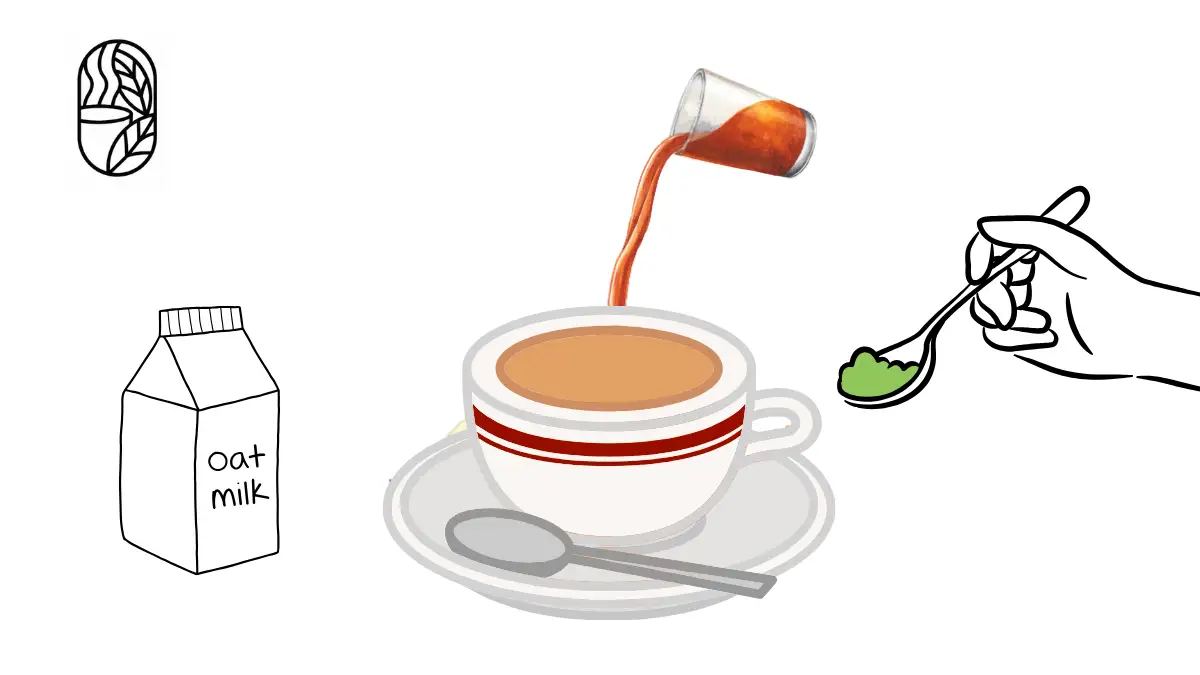
- 1½ cups fresh water
- 1½ cups whole milk or the milk you normally use
- 2 to 2½ teaspoons loose CTC black tea or strong black tea
- 2 to 3 teaspoons sugar, adjusted to taste
- Optional: 1 lightly crushed cardamom pod or a small piece of cinnamon
These measurements make a balanced starting point rather than a fixed rule. For a stronger cup, increase the tea slightly or simmer the tea base for a little longer. For a milder cup, use less tea or add a little more milk. If your tea product includes its own brewing recommendation, use that guidance first.
Equipment
- Small saucepan
- Measuring cup or kitchen scale
- Teaspoon
- Tea strainer
- Two cups or mugs
- Spoon for stirring
You do not need a teapot or an infuser for this method. A saucepan and a simple strainer are enough. If you are using tea bags, replace the loose tea with two tea bags and follow the steeping instructions on the pack.
How to Make Bangladeshi Milk Tea Step by Step
Step 1: Measure the Water and Milk
Measure 1½ cups of water and 1½ cups of milk for two medium cups. The equal starting volume makes a balanced, creamy tea, but you can change the ratio. Use more water for a lighter cup or more milk for a creamier result.
Step 2: Build the Tea Base
Pour the water into a saucepan and bring it to a gentle boil over medium heat. Add 2 to 2½ teaspoons of loose CTC black tea or strong black tea. Let the tea simmer for 2–3 minutes so that the water takes on colour and strength.
Do not add 30 grams of tea for this quantity. That would be far more than required for two cups and would likely produce an excessively bitter brew. Start with the measured teaspoons, then adjust the next batch if necessary.
Step 3: Add Milk
Pour in the milk and stir gently. Keep the heat at medium or medium-low. Watch the saucepan because milk can rise quickly when it reaches a full boil. A controlled simmer helps the tea and milk combine without scorching the bottom of the pan.
Step 4: Simmer Until the Colour and Strength Look Right
Let the mixture simmer for another 2–4 minutes. Stir occasionally and observe the colour. A deeper colour usually indicates a stronger tea base, but colour alone does not determine quality. Taste a small amount when it is safe to do so and reduce the heat if the flavour is becoming too sharp.
If you are using cardamom or cinnamon, add it with the milk. Use a small amount so that the spice supports the tea rather than taking over its aroma. A spiced variation is optional; simple dudh cha does not require several spices.
Step 5: Add Sugar
Add 2 to 3 teaspoons of sugar while the tea is simmering. Stir until it dissolves completely. Sugar can be adjusted after serving, but adding it before straining helps it blend evenly throughout the saucepan. Turn off the heat and place a tea strainer over the cups. Pour the milk tea through the strainer to remove the tea leaves and spices. Serve immediately while warm. If you are preparing tea for several people, keep the strained tea in a clean, warmed pot and serve it without allowing it to sit for too long.
Why This Method Works
Starting with water allows the black tea to release colour and flavour before milk is added. Adding milk after the tea base has developed gives you more control over strength. A short, gentle simmer then brings the two components together without requiring an excessive amount of tea.
This method is especially practical for CTC black tea because the small granules release quickly. If you use a larger-leaf orthodox tea, it may need a different amount of tea, more space for the leaves to open and a different steeping time. Use the product instructions for the tea you have chosen.
How to Adjust the Recipe
For Stronger Milk Tea
Increase the tea slightly or allow the water-and-tea base to simmer a little longer before adding milk. Avoid doubling the tea immediately. A gradual adjustment makes it easier to control bitterness and astringency.
For a Creamier Cup
Use a little more milk or reduce the water slightly. Whole milk gives a fuller texture, but you can use the milk available in your household. Keep the heat moderate and stir occasionally to reduce the risk of scorching.
For Less Sweet Tea
Start with one teaspoon of sugar per cup or leave the sugar out until the tea is strained. This allows each person to adjust sweetness at the table.
For a Spiced Variation
Add one lightly crushed cardamom pod or a small piece of cinnamon. You can also experiment with a very small amount of another spice, but several spices together will create a different masala-style drink rather than a simple Bangladesh-style milk tea.
Common Problems and How to Fix Them
Why does my milk tea taste bitter?
Common causes include too much tea, over-simmering, very strong tea granules or leaving the leaves in the saucepan for too long. Use a little less tea and shorten the simmering time in the next batch. Adding more sugar may hide bitterness, but it does not correct the brewing cause.
Why is the tea too weak?
Use a slightly larger amount of tea, reduce the milk a little or allow the tea base to develop for another minute. Make one change at a time so you can identify what improves the cup.
Why did the milk stick to the pan?
The heat may have been too high or the saucepan may not have been stirred often enough. Use medium-low heat after adding milk and stir gently from the bottom. A heavier saucepan can also make simmering easier.
Why did the tea become too sweet?
Add sugar gradually rather than using the full amount at the beginning. For a shared pot, prepare the tea with less sugar and let each person add more if needed.
Choosing the Right Tea for Dudh Cha
A strong CTC Black Tea is a practical starting point because it brews quickly and works well with milk. Some black loose-leaf teas can also be used, but their leaf size and brewing requirements may differ. If you want to compare strength and aroma, explore the CTC Black Tea category and review the product descriptions before selecting a pack.
Orthodox Tea can be used for milk tea when you prefer a more leaf-led aroma, although many people choose to drink it without milk. Explore the Orthodox Tea collection if you want to compare leaf-led black tea options. Green Tea, White Tea and Oolong Tea are usually approached differently and should not automatically be substituted into this simmered milk-tea method. For those styles, follow their product-specific brewing instructions.
Bangladeshi Milk Tea Culture
Dudh cha is connected with everyday hospitality in Bangladesh. It may be served when relatives visit, during an office break, after a conversation with neighbours or alongside snacks at home. The preparation is often adapted to the household: one family may prefer a strong, dark tea with more sugar, while another may prefer extra milk and a softer cup. For general information about Bangladesh’s tea sector, readers can consult the official Bangladesh Tea Board website.
There is no single national ratio that every household follows. That is why this recipe gives a reliable starting point and then explains how to adjust it. The tea you choose, the milk available, the saucepan, the serving size and the preferred sweetness all influence the final drink.
Serving Ideas
Serve Bangladeshi milk tea with biscuits, toast, light snacks or homemade treats. It can be prepared for breakfast, an afternoon tea break, family conversations or guests. For a gathering, prepare a slightly less sweet base and provide sugar separately so people can adjust their own cups.
If you want to offer more than one tea experience, serve traditional milk tea alongside a lighter Green Tea, a floral Flavored Tea or a three-tea Trial Pack tasting. This gives guests a choice without changing the recipe itself.
Frequently Asked Questions About Bangladeshi Milk Tea
What tea is traditionally used for Bangladeshi milk tea?
Strong black tea, especially CTC-style tea, is commonly used because it can develop a brisk colour and flavour quickly. The right choice still depends on the product and the taste you want. Some households use loose black tea, while others use tea bags for convenience. Check the product instructions and begin with a moderate quantity rather than assuming every black tea needs the same amount.
What is the correct water-to-milk ratio for dudh cha?
There is no single ratio used by every household. This recipe begins with 1½ cups of water and 1½ cups of milk for two medium cups. You can use more water for a lighter tea or more milk for a creamier cup. The important point is to measure consistently, taste the first batch and adjust one variable at a time.
How much loose tea should I use for two cups?
Start with about 2 to 2½ teaspoons of strong black or CTC tea for two medium cups. Tea granule size, brand, pack and personal strength preference can change the result. Thirty grams would be excessive for this quantity, so use teaspoons or a small kitchen scale carefully. If the tea is weak, increase the amount slightly in the next batch.
Can I make Bangladeshi milk tea with tea bags?
Yes. Use two black tea bags as a starting point for two cups, then follow the steeping guidance on the packaging. Tea bags are convenient for offices and travel, while loose CTC or black tea gives you more control over quantity. Do not leave the bags in the saucepan longer than necessary because the tea can become too strong or bitter.
Should I add milk before or after the tea leaves?
For this method, build the tea base in water first and add milk afterwards. This makes it easier to control the strength of the black tea before the milk softens the cup. Some households boil water and milk together from the beginning, and that can also work, but the cooking time and tea quantity may need adjustment. Follow your chosen product’s guidance when available.
Can I add cardamom or cinnamon?
Yes, but spices are optional. A lightly crushed cardamom pod or a small piece of cinnamon can add aroma. Use a small amount because a heavily spiced mixture will taste more like masala-style tea than simple dudh cha. If you are serving guests, prepare the basic tea first or ask whether they prefer a spiced version.
How can I make milk tea less bitter?
Reduce the tea quantity, shorten the simmering time or lower the heat. CTC tea releases colour and flavour quickly, so a long boil is not always necessary. Avoid using extra sugar as the only solution because it masks the taste rather than correcting the extraction. Make a small adjustment, prepare another cup and compare the result.
Can I prepare milk tea in advance?
Milk tea is generally best served soon after preparation. If you need to prepare it for several people, strain it into a clean pot and keep it warm without continuously boiling it. Repeated boiling can change the flavour and texture. For the best result, make smaller batches when possible and adjust sweetness at serving time.
Final Thoughts
Making Bangladeshi milk tea at home is less about following one rigid formula and more about learning how tea, water, milk and sugar work together. Begin with a measured two-cup batch, use a strong black or CTC tea, simmer gently and adjust the next cup according to your taste. and related know on Orthodox Tea: Its Benefits and How It Is Made & Types.
For a familiar dudh cha, start with the CTC Black Tea collection at Tea Shop BD. If you want to explore beyond milk tea, compare Green Tea, Orthodox Tea, White Tea, Oolong Tea, Flavored Tea and Tea Trial Packs. Every tea has its own preparation style, so the product page should remain your guide for the specific pack you choose.