
Tea is not served the same way in every Bangladeshi home. One person may prefer a strong cup of CTC black tea with milk and sugar. Another may drink the same tea plain. Someone else may add lemon, ginger or cardamom. A lighter green or white tea may be served without anything at all.
None of these choices is automatically correct or incorrect.
What matters is understanding what each addition does.
Milk changes body and texture.
Sugar changes sweetness and the way bitterness is perceived.
Lemon adds acidity and brightness.
Honey contributes both sweetness and its own aroma.
Jaggery brings a deeper, more distinctive sweet flavour.
Ginger, cardamom and cinnamon add another aromatic layer.
The same ingredient can improve one cup and overwhelm another.
That is why the useful question is not simply:
“Should tea have milk, sugar or lemon?”
A better question is:
What does this tea already taste like, and what do I want the addition to change?
Once you start thinking that way, tea becomes much easier to balance.
Which Additions Work With Which Tea?
As a starting point—not a fixed rule:
| Tea style | Additions worth trying | Use more carefully |
|---|---|---|
| CTC black tea | Milk, sugar, ginger, cardamom | Heavy lemon with milk |
| Leaf black tea | Milk, sugar, lemon | Too many strong spices |
| Orthodox black tea | Plain, light sugar, lemon, sometimes milk | Heavy milk if the aroma is delicate |
| Green tea | Plain, lemon, small amount of honey | Milk, long boiling |
| White tea | Plain, light honey if desired | Heavy milk, jaggery, strong spices |
| Oolong tea | Usually plain; light honey if desired | Heavy milk or spice |
| Fruit tea | Plain, honey, sugar or lemon depending on blend | Milk unless the blend specifically suits it |
| Spiced black tea | Milk, sugar or jaggery | Adding so many flavours that the tea disappears |
The easiest rule is:
Taste the tea plain first. Then decide what is missing.
Why Taste Tea Plain Before Adding Anything?
If milk, sugar or lemon goes into the cup immediately, you never learn what the base tea actually tastes like.
Try at least one sip first.
Notice:
- aroma;
- strength;
- bitterness;
- astringency;
- sweetness;
- body;
- acidity;
- finish.
Then ask what you want to change.
If the tea is too sharp, milk may soften the experience.
If it is strong but balanced, a little sugar may be enough.
If the cup feels heavy, lemon may create a brighter impression in a suitable plain tea.
If the tea already has delicate floral or fruit notes, adding several ingredients may hide them.
This simple tasting habit is particularly useful when trying a new Tea Shop BD product for the first time.
Milk: The Biggest Change to Body and Texture
Milk does more than change the colour of tea.
It creates a creamier mouthfeel and gives the cup more weight.
That can be useful with a strong black tea.
It can also cover subtler aromas in a lighter tea.
The question is therefore not whether milk is “good” or “bad.”
The question is whether the tea has enough character to remain noticeable after milk is added.
Milk With CTC Black Tea
CTC black tea is a natural starting point for Bangladeshi milk-tea preparation.
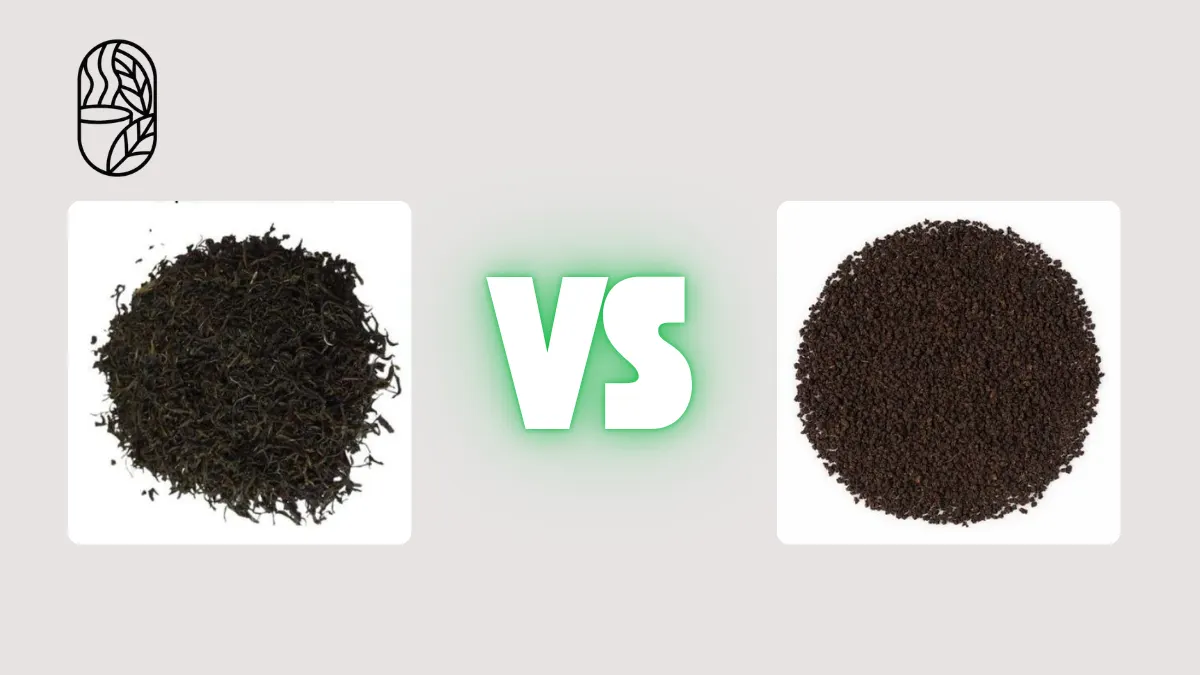
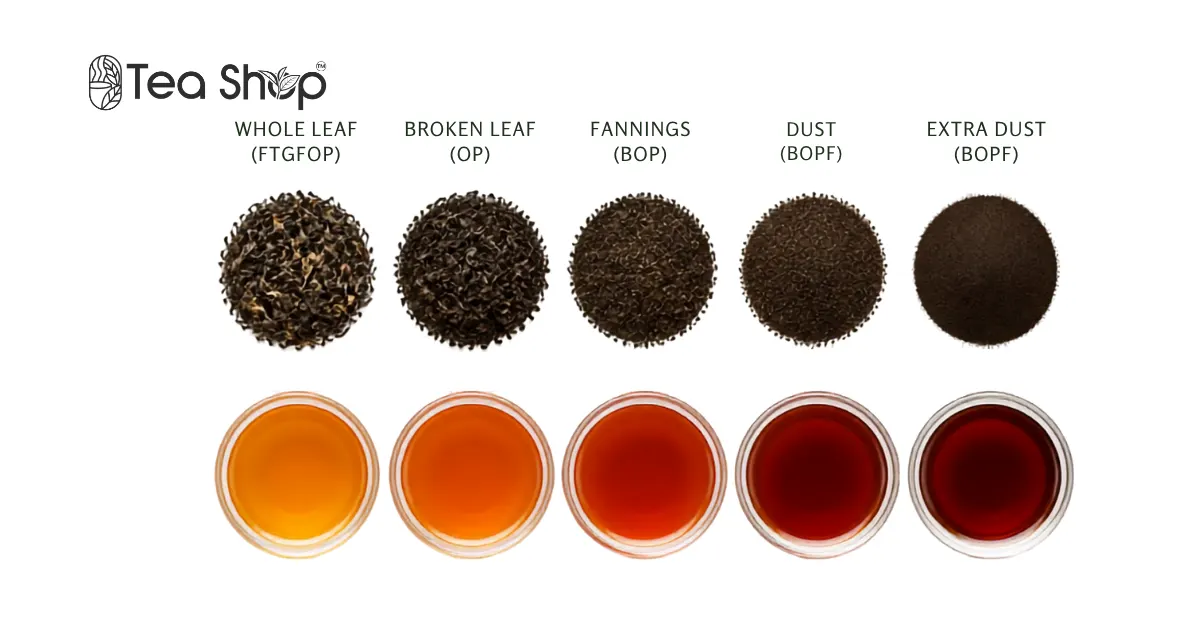
CTC processing creates relatively small tea particles that infuse quickly and can produce a bold cup.
That makes this style practical when the recipe also includes:
- milk;
- sugar;
- ginger;
- cardamom;
- cinnamon;
- or other spices.
Tea Shop BD’s current collection includes several CTC Black Tea options for buyers who prefer a stronger everyday cup.
If the finished milk tea tastes weak, do not solve the problem by adding more sugar.
First check:
- Was enough tea used?
- Was too much milk added?
- Was the brewing time suitable?
- Was too much water used?
Sweetness cannot replace tea strength.
Milk With Leaf Black Tea
Leaf black tea can also work with milk.
But there is usually more reason to taste it plain first.
If the leaf tea has a noticeable aroma or more nuanced finish, a large amount of milk may hide those characteristics.
Try this approach:
- brew the tea normally;
- taste it plain;
- add a small amount of milk;
- taste again;
- increase only if necessary.
This gives you more control than pouring a fixed amount of milk into every black tea.
Milk With Orthodox Tea
Orthodox tea varies.
Some orthodox black teas have enough body to work with milk.
Others are more interesting when served plain.
The visible leaf structure or the word “orthodox” alone does not tell you how much milk a tea needs.
The safest approach is to judge the actual cup.
If a small splash of milk improves balance while the tea aroma remains noticeable, the combination may work for you.
If the tea becomes flat or generic, drink it plain or reduce the milk.
Milk With Green Tea
Green tea is generally easier to understand without milk.
A lighter green tea may lose much of its fresh character when a large amount of milk is added.
That does not mean experimentation is forbidden.
It means milk should not be treated as the default.
For a new green tea:
- brew it correctly;
- taste it plain;
- decide whether any addition is needed.
Poorly brewed green tea can become bitter, and milk should not be used to hide a brewing problem that would be better solved by adjusting water temperature or steeping time.
Milk With White Tea
White tea is usually a poor candidate for heavy additions because its cup can be relatively delicate.
A large amount of milk can become the dominant flavour.
If you are exploring white tea for the first time, begin plain.
That gives you a better chance to notice what the tea itself contributes before deciding whether a small addition improves it.
Milk With Fruit Tea
Fruit tea needs a case-by-case approach.
Some fruit blends contain tart ingredients.
Combining strong acidity with dairy milk can produce separation or an unpleasant texture.
For most unfamiliar fruit teas, begin without milk.
If a specific product or recipe is designed for milk, follow that product’s verified preparation guidance instead of assuming all fruit tea behaves the same way.
Sugar: Sweetness Can Change Perceived Balance
Sugar is one of the most common tea additions because it changes the cup immediately.
A small amount can make a strong tea feel rounder and reduce the prominence of bitterness.
But sugar can also hide differences between teas.
Too much sweetness may cover:
- floral notes;
- fruit notes;
- malt-like character;
- subtle aroma;
- aftertaste;
- or differences in strength.
The goal should be balance rather than maximum sweetness.
Sugar in Bangladeshi Milk Tea
Milk tea is often sweetened, but the amount should depend on the recipe and drinker.
A useful sequence is:
- establish tea strength;
- add milk;
- add a moderate amount of sugar;
- taste;
- adjust.
If you add a large amount of sugar at the beginning, it becomes harder to judge whether the underlying tea is actually well brewed.
Sugar in Plain Black Tea
Plain black tea can take a small amount of sugar without necessarily losing its identity.
But try reducing sugar gradually if you want to understand the tea better.
A useful experiment is to prepare:
- one cup plain;
- one lightly sweetened;
- one at your usual sweetness.
The comparison often reveals how much aroma and finish were previously being hidden.
Sugar in Green, White and Oolong Tea
These teas are often best evaluated plain first.
If you do want sweetness, start with a small amount.
The lighter the tea, the easier it is for sweetness to become the most noticeable feature of the cup.
That is especially important when the purpose of the purchase is to explore a different tea style rather than recreate a standard sweet milk-tea profile.
Sugar in Fruit Tea
Fruit aroma does not necessarily mean the infusion itself will taste sweet.
A fruit tea may smell sweet while tasting tart or dry.
So do not decide how much sugar it needs from aroma alone.
Taste first.
A tart fruit blend may benefit from some sweetness.
A softer blend may need none.
Lemon: Brightness, Acidity and a Sharper Finish
Lemon changes tea in a different direction from milk.
Milk generally makes the cup feel softer and creamier.
Lemon makes a suitable tea feel brighter and more acidic.
It can work particularly well when you want a lighter, refreshing plain tea.
Lemon With Black Tea
Plain black tea is one of the easiest places to experiment with lemon.
Use a small amount first.
Too much lemon can dominate the tea and turn a balanced cup into something sharply acidic.
A practical method is:
- brew the black tea;
- remove or strain the leaves;
- taste;
- add a small squeeze or slice of lemon;
- taste again.
Add more only if needed.
Lemon With Green Tea
A little lemon can suit some green teas, especially if you already enjoy citrus flavours.
Add it after brewing.
Do not use lemon as a solution for over-steeped green tea.
If the tea is harsh because the water was too hot or the leaves were steeped too long, correct the brewing method first.
Lemon and Milk in the Same Cup
Use caution.
Lemon is acidic, and sufficient acidity can cause dairy milk to separate.
Even when the drink remains safe to consume, the texture and appearance may become unpleasant.
For a straightforward lemon tea, leave the milk out.
For a straightforward milk tea, leave the lemon out.
A specialised recipe may deliberately combine acidic ingredients and dairy in a controlled way, but that is different from casually squeezing lemon into an ordinary cup of milk tea.
Lemon With Fruit Tea
This depends heavily on the blend.
A tea that already contains strong citrus character may become too sharp with extra lemon.
A softer fruit profile may benefit from a little acidity.
Taste first and think of lemon as a flavour adjustment—not a compulsory ingredient.
Honey: Sweetness With Its Own Aroma
Honey is sometimes treated as a healthier version of sugar.
For this article, that is not the useful distinction.
From a flavour perspective, honey is different because it brings its own aroma and taste.
Depending on the honey, it may add:
- floral character;
- earthy notes;
- deeper sweetness;
- or caramel-like impressions.
That can complement some teas and overwhelm others.
Honey With Green Tea
A small amount of honey can work with green tea when you want mild sweetness.
But if you are learning how a particular green tea tastes, begin plain.
Use enough honey to adjust the cup—not enough to turn the tea into honey-flavoured water.
Honey With White Tea
White tea can be delicate.
If honey is added, use very little at first.
The purpose should be to support the tea, not cover it.
Honey With Lemon Tea
Honey and lemon are a familiar pairing because one contributes sweetness while the other contributes acidity.
The balance is personal.
Start with smaller quantities of both.
It is easy to add more.
It is impossible to remove excess honey or lemon once they are mixed into the cup.
Jaggery: A Deeper Sweetener for Stronger Tea
Jaggery is not simply white sugar in another form from a flavour perspective.
It can contribute deeper caramel-like and earthy notes.
That means it may suit:
- strong black tea;
- ginger tea;
- cardamom tea;
- some milk-tea recipes;
- richer seasonal preparations.
It is much easier for jaggery to overwhelm a delicate tea.
White tea, light green tea or nuanced oolong will usually give you more of their own character when served plain or only lightly sweetened.
How to Use Jaggery Without Losing the Tea
Start small.
Allow it to dissolve.
Taste.
Then decide whether the cup needs more.
If jaggery is the first thing you notice and the tea base becomes difficult to identify, you may have gone too far.
A strong CTC base usually gives you more room to experiment than a delicate specialty tea.
Ginger, Cardamom and Cinnamon Change Aroma Too
Milk, sugar, lemon, honey and jaggery are not the only additions common in tea preparation.
Spices can transform the aromatic profile even more dramatically.
Ginger
Ginger gives tea a fresh, warming, sharp character.
It pairs naturally with stronger black tea and milk-tea recipes.
Fresh ginger can dominate quickly, so increase gradually.
Cardamom
Cardamom contributes a sweet, distinctive fragrance.
It can work well with:
- black tea;
- milk tea;
- family-serving recipes;
- festive or guest servings.
Crushing the pods releases more aroma, so a small quantity may be enough.
Cinnamon
Cinnamon contributes warm, woody sweetness.
It is powerful.
Use too much and the cup stops tasting primarily like tea.
With cinnamon, less is often more.
The “One Change at a Time” Rule
One of the easiest ways to make an unbalanced cup is to add everything simultaneously.
Suppose you add:
- milk;
- sugar;
- ginger;
- cardamom;
- cinnamon;
- and another flavour.
If you dislike the result, which ingredient caused the problem?
You do not know.
A better approach is:
- perfect the tea base;
- add one main ingredient;
- taste;
- adjust;
- add another only if the recipe needs it.
This is how you learn what each ingredient actually does.
A Simple Three-Cup Taste Test
This experiment works especially well when deciding how to serve a new Tea Shop BD tea.
Prepare one batch and divide it into three smaller cups.
Cup 1 — Plain
Add nothing.
Notice the base tea.
Cup 2 — Light Adjustment
Add only a small amount of one ingredient:
- milk;
- sugar;
- honey;
- or lemon.
Cup 3 — Your Usual Recipe
Prepare it the way you normally drink tea.
Then compare:
| Feature | Cup 1 | Cup 2 | Cup 3 |
|---|---|---|---|
| Aroma | 4+ | 3+ | 2+ |
| Body | A | B+ | B |
| Sweetness | A++ | B- | B |
| Sharpness | B | C++ | C |
| Tea character | 4++ | 3+ | B+ |
| Finish | A | B | C |
| Overall preference | 9.7 | 8.4 | 4.8 |
You may discover that the tea you normally sweeten heavily needs much less sugar than expected.
Or you may confirm that a strong CTC tea really does suit your usual milk-tea recipe.
Either result is useful.
How Additions Affect Common Tea Styles
CTC Black Tea
Usually worth trying: milk, sugar, ginger, cardamom, cinnamon, jaggery.
Why: the stronger cup can remain noticeable after additions.
Watch for: using so much milk and sugar that every CTC tea tastes identical.
Leaf Black Tea
Usually worth trying: plain, light milk, sugar, lemon.
Why: a good leaf tea may have enough body for milk while retaining more aroma than some fine-particle black teas.
Watch for: covering the leaf character with too many spices.
Orthodox Black Tea
Usually worth trying: plain first, then light sugar, lemon or a little milk if the body supports it.
Why: orthodox teas can vary widely.
Watch for: assuming every orthodox tea should be served the same way.
Green Tea
Usually worth trying: plain, a little lemon, light honey if desired.
Why: green tea often has a lighter flavour profile than CTC milk-tea bases.
Watch for: milk, excessive sweetness and long boiling.
White Tea
Usually worth trying: plain first.
Optional: very light honey if you prefer sweetness.
Watch for: milk, jaggery and strong spices overpowering the tea.
Oolong Tea
Usually worth trying: plain.
Optional: small amounts of honey or sugar if preferred.
Watch for: heavy additions before you understand the tea’s own aroma.
Fruit Tea
Usually worth trying: plain, then honey, sugar or lemon according to the blend.
Watch for: assuming all fruit tea needs extra lemon or sweetness.
Check the actual ingredients because different fruit blends behave differently.
Common Mistakes When Adding Milk, Sugar or Lemon
Mistake 1: Adding Sugar Before Tasting
You never learn whether the tea actually needed sweetness.
Better approach
Taste one sip plain.
Mistake 2: Using Milk With Every Tea
Milk works beautifully in some cups and hides others.
Better approach
Match milk quantity to tea strength.
Mistake 3: Adding Lemon to Ordinary Milk Tea
Acidity may separate the milk.
Better approach
Choose either a lemon-style plain tea or a milk-tea style unless following a tested recipe.
Mistake 4: Using Honey as Though It Has No Flavour
Honey contributes its own character.
Better approach
Use a small amount first.
Mistake 5: Treating Jaggery Like White Sugar
Jaggery can contribute a much deeper flavour.
Better approach
Use it mainly when that flavour suits the tea.
Mistake 6: Solving Weak Tea With More Sugar
Sweet weak tea is still weak tea.
Better approach
Correct the tea-to-water ratio or milk quantity.
Mistake 7: Hiding Bitter Green Tea With Additions
Excessive bitterness may be a brewing problem.
Better approach
Adjust water temperature, steeping time or leaf quantity first.
Mistake 8: Adding Several Spices Without a Plan
The base tea disappears.
Better approach
Choose one dominant spice and build from there.
Choosing Tea Shop BD Tea for the Way You Drink It
Tea should be selected partly according to how you plan to prepare it.
If You Drink Strong Milk Tea
Start with the Tea Shop BD CTC Black Tea collection.
A bold black-tea base generally gives you more room for:
- milk;
- sugar;
- ginger;
- cardamom;
- or jaggery.
If You Prefer Plain or Lemon Tea
Compare:
- CTC or leaf black tea for a stronger cup;
- Green Tea for a lighter style;
- Orthodox Tea when you want to explore more visible leaf character.
Taste first before adding lemon.
If You Prefer Lighter Tea With Minimal Additions
Explore:
- Green Tea;
- White Tea;
- Oolong Tea.
These categories are especially useful when you want the tea itself to remain the main flavour.
If You Enjoy Sweet or Fruity Cups
Explore Tea Shop BD’s Fruit Tea and Flavored Tea options.
Check the ingredients before deciding whether the tea also needs:
- sugar;
- honey;
- lemon;
- or another addition.
Milk, Sugar and Lemon Are Preferences—not Quality Tests
A tea is not automatically better because it tastes good without milk.
A strong CTC tea is not inferior because you enjoy it with milk and sugar.
A delicate tea is not superior simply because you drink it plain.
Different tea styles serve different purposes.
Quality should be judged according to the product itself—not according to whether it fits one universal serving style.
The useful question is:
Does this tea work well for the way I intend to drink it?
That is a much better buying question.
What About Health Claims Around Tea Additions?
This article is about flavour and preparation—not medical outcomes.
Milk, sugar, honey, jaggery and lemon all change the nutritional composition of a cup in different ways.
But you should not assume that adding or removing one ingredient turns ordinary tea into a treatment for:
- weight loss;
- diabetes;
- heart disease;
- digestion problems;
- or another health condition.
Likewise, honey should not be treated as medically superior to sugar simply because it sounds more natural.
If your concern is blood sugar, medication, pregnancy or another health issue, that belongs in a separate evidence-based health discussion.
For flavour purposes, choose the ingredient that creates the cup you want.
A Practical Tea-Addition Decision Guide
Use this sequence whenever you try a new tea.
Step 1 — Brew the tea correctly
Do not judge additions using an over-steeped or badly prepared base.
Step 2 — Taste it plain
Understand the starting point.
Step 3 — Decide what you want to change
Do you want:
- more sweetness?
- more body?
- more acidity?
- more spice?
- a softer finish?
Step 4 — Choose one addition
Milk for body.
Sugar for straightforward sweetness.
Lemon for acidity.
Honey for sweetness plus aroma.
Jaggery for deeper sweetness.
Spice for added aromatic character.
Step 5 — Add a small amount
You can always increase it.
Step 6 — Taste again
Did the tea improve—or disappear?
Step 7 — Record what worked
Especially useful when you regularly buy several tea styles.
Frequently Asked Questions
Which tea is usually easiest to drink with milk and sugar?
CTC black tea is a practical starting point because it can produce a strong cup that remains noticeable after milk and sugar are added. Strong leaf black tea may also work well. The exact balance depends on brewing strength and personal preference, so adjust milk and sugar rather than using one fixed ratio for every tea.
Can I add milk to green tea?
You can experiment, but milk is not necessary and may cover some of the lighter character of green tea. If the green tea tastes unpleasantly bitter, first check brewing temperature and steeping time rather than immediately using milk to hide the bitterness.
Can I add lemon and milk to the same tea?
It is usually better not to do this with an ordinary milk tea. Lemon is acidic, and enough acidity can cause dairy milk to separate or develop an unpleasant texture. If you want lemon tea, make a plain tea first and add lemon after brewing.
Is honey better than sugar in tea?
From a flavour perspective, neither is universally better. Sugar gives relatively straightforward sweetness, while honey also brings its own aroma and flavour. If you use honey in a delicate tea, begin with a small amount so the honey does not become the dominant taste.
Can I use jaggery in CTC black tea?
Yes. Jaggery can complement a strong black-tea base and may work particularly well in ginger, cardamom or richer milk-tea recipes. Because jaggery has a more distinctive flavour than white sugar, add it gradually.
Why does my tea taste weak after I add milk?
Possible reasons include too little tea, too much water, too much milk or insufficient brewing. Increase the strength of the tea base or reduce the milk before simply adding more sugar. The tea should still be detectable after the milk is added.
Why does lemon make my fruit tea too sour?
The fruit blend may already contain tart or citrus-style ingredients. Extra lemon can push the acidity too far. Taste the fruit tea first, check its ingredients and add only a small amount of lemon if the cup actually needs more brightness.
How can I stop spices from overpowering tea?
Begin with one spice in a small amount. Ginger, cardamom and cinnamon can all become dominant quickly. Make sure the tea base has enough strength for the recipe, then increase the spice gradually rather than adding several strong ingredients at once.
Final Thoughts
Milk, sugar and lemon do not simply sit on top of tea.
They change the drinking experience.
Milk adds body and creaminess.
Sugar increases sweetness and changes perceived balance.
Lemon adds acidity and brightness.
Honey adds sweetness plus its own aroma.
Jaggery contributes a deeper, more distinctive sweetness.
Ginger, cardamom and cinnamon can transform the aromatic profile completely.
That is why there is no single “correct” tea recipe for every Tea Shop BD product.
A strong CTC black tea may be exactly what you want for milk and sugar.
A green tea may be more enjoyable plain or with a small amount of lemon.
A white or oolong tea may reveal more of itself without heavy additions.
A fruit tea should be judged according to its actual blend.
The best habit is also the simplest:
Brew carefully. Taste the tea plain. Add one ingredient at a time. Stop when the cup becomes more balanced—not when the tea itself disappears.
That approach works whether you are preparing a quick cup at home, serving guests or exploring a new Tea Shop BD tea for the first time.