
Tea production in Bangladesh is a carefully connected process. It begins with fresh leaves in a tea garden and continues through plucking, withering, rolling, oxidation, drying, grading, auction or direct sourcing, packaging and brewing.
The tea in your cup may look simple, but its final colour, aroma, strength and texture depend on what happens at every stage.
Bangladesh produces several tea styles, including CTC Black Tea, Leaf Black Tea, Green Tea, Orthodox Tea, White Tea and Oolong Tea. These teas may begin with the same tea plant, Camellia sinensis, but their processing methods create very different results.
If you want a quick answer, Bangladesh tea is produced through these main stages:
- Growing the tea plant
- Plucking fresh leaves
- Sorting and transporting the leaves
- Withering or reducing moisture
- Rolling, crushing or shaping the leaves
- Managing oxidation
- Drying and stabilising the tea
- Grading and quality checking
- Selling through auction or direct sourcing
- Packing, storing and delivering the tea
The exact process varies according to the tea style, garden, factory, producer and product specification.
Where Is Tea Produced in Bangladesh?
Bangladesh tea is produced across several important tea-growing areas.
Sreemangal is one of the country’s best-known tea regions and has a long tea-growing tradition. It is associated with different black tea and leaf tea selections.
Chattogram is important for tea production, processing, trading and auction-based sourcing. It is particularly relevant to many CTC and strong black tea supply routes.
Panchagarh has become a significant northern tea-producing region. It is associated with several specialty-style selections, including Green Tea, Orthodox Tea, White Tea and Oolong Tea, depending on the producer and harvest.
Lalmonirhat also contributes to northern Bangladesh’s developing tea landscape. The exact garden, leaf grade and processing method should always be confirmed for the individual product.
Tea Shop BD works with Bangladesh-origin tea sourced through auctions, gardens, producers and direct northern-region relationships, depending on the product.
Stage One: Growing the Tea Plant
Tea begins as a living plant. The plant is cultivated in suitable soil and maintained through regular field care.
Tea growers monitor:
- Soil condition
- Rainfall
- Temperature
- Drainage
- Shade and sunlight
- Weed control
- Plant health
- Seasonal growth
Tea plants are not harvested in the same way as a single-season crop. They are managed over time so that new shoots continue to develop.
The growing environment affects the leaf, but it does not work alone. Plucking standard, factory handling, processing, storage and brewing also influence the final cup.
Stage Two: Plucking the Fresh Leaves
The next stage is plucking. Workers collect suitable shoots from the tea plant, usually focusing on young leaves and buds according to the garden’s standard.
The quality of plucking matters because the factory receives the raw material that will later become tea.
Depending on the intended tea style, the producer may use:
- Young buds
- Two leaves and a bud
- Larger mature leaves
- Selected leaf grades
- A combination of leaf sizes
Different tea products require different raw materials. White Tea may focus on younger buds and leaves, while CTC Black Tea may use leaf material selected for strong extraction.
Freshly plucked leaves contain a high level of moisture. They must be moved and handled carefully before processing begins.
Stage Three: Transporting and Sorting the Leaves
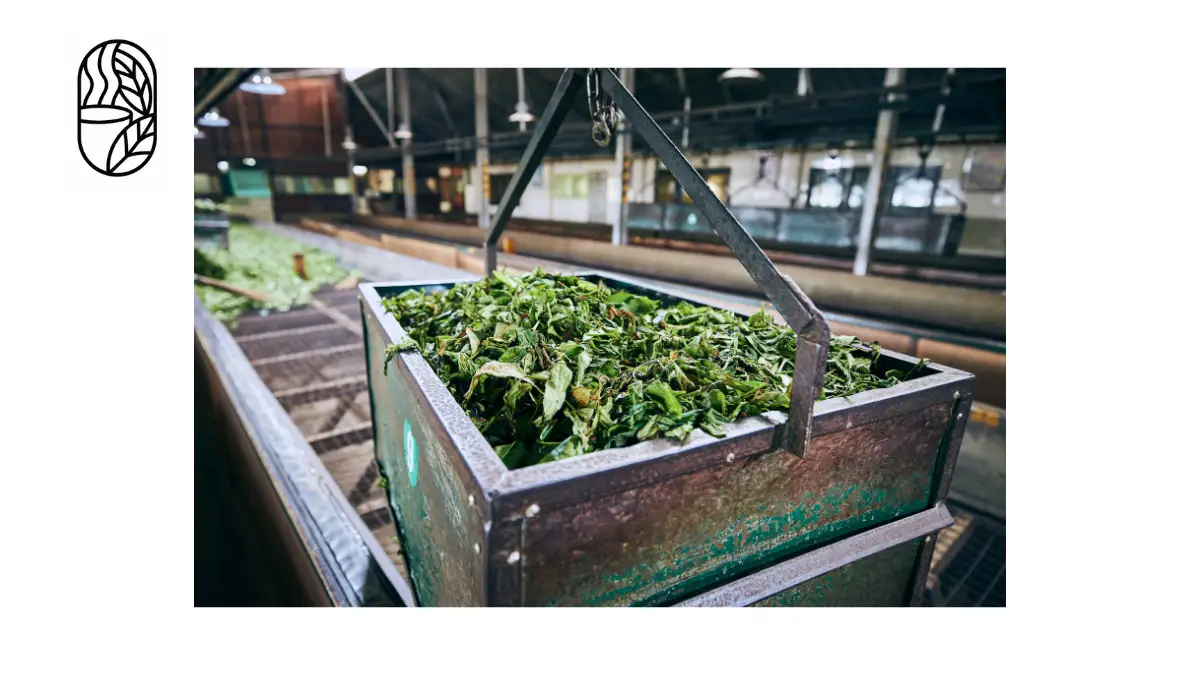
After plucking, the leaves are carried to a processing facility. The time between plucking and processing can affect freshness and quality.
At the factory or processing area, the leaves may be checked for:
- Excessively coarse material
- Foreign matter
- Damaged leaves
- Uneven leaf condition
- Moisture level
- Plucking quality
The leaves should not be compressed unnecessarily because excessive pressure can damage them before the intended processing stage.
Sorting helps the producer maintain consistency and prepare the leaves for the correct tea-making method.
Stage Four: Withering the Tea Leaves
Withering is the process of allowing fresh leaves to lose some moisture before further processing.
During withering, the leaves may be spread across withering troughs or another controlled surface. Air movement, time, temperature and humidity all matter.
Withering can help:
- Reduce excess moisture
- Make the leaves more flexible
- Prepare the leaves for rolling or shaping
- Begin natural chemical changes
- Influence aroma development
The exact withering method depends on the tea style.
Black tea, orthodox tea, oolong tea and some other styles may use different withering conditions. Green tea generally follows a process designed to limit oxidation, while white tea may use gentle withering and drying.
Withering is not simply “leaving the leaves outside.” Commercial tea processing requires controlled handling and consistent timing.
Stage Five: Rolling, Crushing or Shaping
This is one of the most important differences between tea styles.
CTC Processing
CTC stands for Crush, Tear, Curl. In this method, tea leaves are mechanically crushed, torn and curled into small granules.
The smaller particles release colour and strength quickly. This makes CTC Black Tea suitable for strong milk tea and fast brewing.
CTC tea is commonly chosen for:
- Dudh cha
- Breakfast tea
- Office tea
- Tea stalls
- Family-size preparation
- Quick daily brewing
Orthodox Processing
Orthodox processing aims to retain more of the leaf’s natural structure. The leaves may be rolled, twisted or shaped while remaining visibly larger than CTC granules.
Orthodox tea may provide:
- More visible leaves
- Gradual flavour release
- Layered aroma
- A smoother tasting experience
- Greater interest for loose-leaf drinkers
Orthodox processing can be used for black, green, white or oolong tea, depending on the intended product.
Green Tea Shaping
Green tea leaves may be heated, rolled, curled, flattened or shaped in another way after harvesting. The purpose is to preserve a fresh tea character while producing the desired leaf appearance.
The final shape can vary from product to product.
Oolong Tea Shaping
Oolong leaves may be rolled into compact pieces, twisted into strips or shaped according to the producer’s method.
Rolled oolong leaves often need space to open during brewing. Their aroma may develop across more than one infusion, depending on leaf quality and processing.
Stage Six: Oxidation Management
Oxidation is a natural chemical process that changes the colour, aroma and flavour of tea leaves after they are damaged or exposed to air.
Tea producers manage oxidation differently for each tea style.
Black Tea
Black tea is generally processed with a higher level of oxidation than green tea. This helps create a darker liquor, stronger aroma and fuller body.
Both CTC Black Tea and Orthodox Black Tea can be made as black tea, even though their leaf structures are different.
Green Tea
Green tea processing is designed to limit oxidation after harvesting. The result is usually a fresher leaf character and lighter liquor.
Water temperature and steeping time are especially important when brewing green tea.
White Tea
White tea generally receives gentle handling and limited processing. The final cup is often light and delicate, although the exact flavour depends on the buds, leaves, grade and producer.
Oolong Tea
Oolong tea is partially oxidised. The level can vary, which is why oolong tea includes a broad range of flavours from floral and fresh to roasted and deeper.
There is no single flavour profile that represents every oolong tea.
Stage Seven: Drying the Tea
After the desired processing and oxidation level are reached, the tea must be dried.
Drying helps:
- Reduce remaining moisture
- Stabilise the tea
- Protect the processed leaf
- Develop the final aroma
- Prepare the tea for grading and storage
If tea retains too much moisture, its storage stability may be affected. If it is overheated or dried poorly, aroma and flavour may suffer.
The correct drying approach depends on the tea style and factory process.
Stage Eight: Grading and Quality Checking
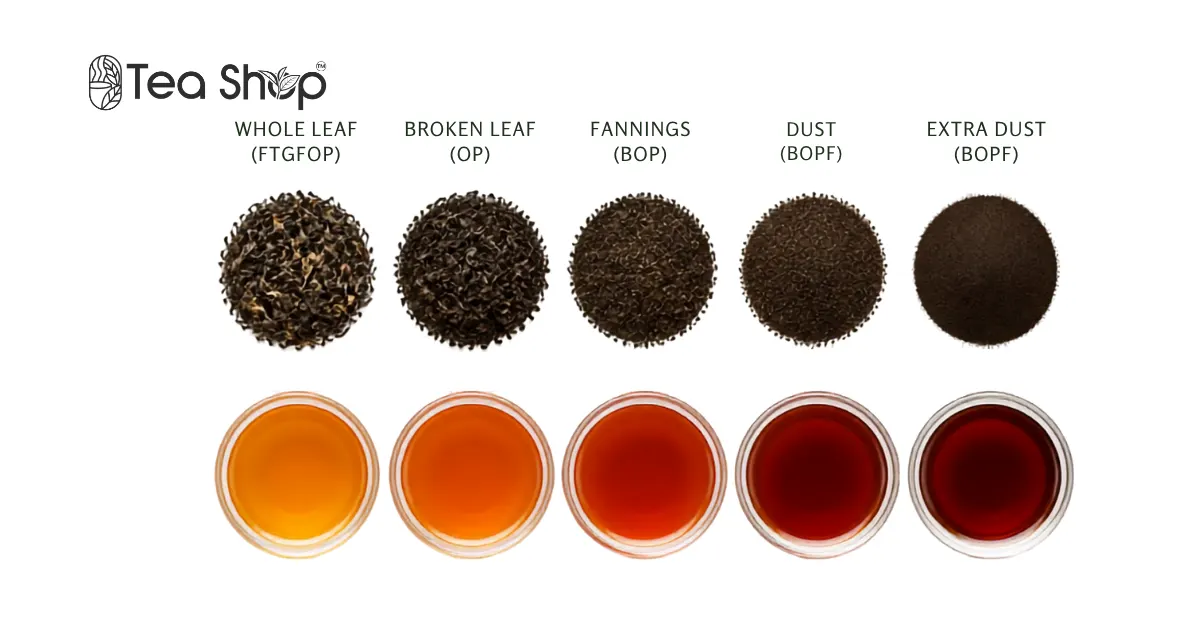
Once the tea is dried, it may be graded according to size, shape, appearance and intended use.
Tea grading can involve:
- Leaf size
- Particle size
- Bud content
- Colour
- Cleanliness
- Consistency
- Aroma
- Liquor character
- Intended tea category
A smaller particle does not automatically mean lower quality. CTC tea is intentionally processed into granules for quick extraction.
Likewise, a larger leaf does not automatically guarantee a premium cup. Freshness, processing, storage and brewing still matter.
Quality checking should match the product’s intended purpose. A strong CTC tea and a delicate white tea should not be judged by exactly the same standard.
Stage Nine: Tea Auction and Direct Sourcing
After processing and grading, tea may reach buyers through different routes.
Bangladesh tea can be sold through auction systems, direct garden relationships, producers, suppliers or other verified sourcing channels.
Tea Shop BD may obtain products through:
- Sreemangal tea auction
- Chattogram CTC auction
- Direct garden sourcing
- Northern-region producers
- Selected supplier relationships
Auction-sourced tea and directly sourced tea are not automatically better or worse. The important factors are product quality, sourcing transparency, freshness, storage and consistency.
A product page should make clear what is known about the tea instead of making a broad claim that applies to every product.
Stage Ten: Packing and Storage
After sourcing, the tea must be packed in a way that protects its aroma and dry condition.
Good tea packaging should help protect the leaves from:
- Moisture
- Sunlight
- Heat
- Air exposure
- Strong odours
- Unclean handling
Once customers open the pack, they should transfer loose tea to an airtight container or close the original pack carefully.
Bangladesh’s humid climate makes storage particularly important. Tea should not be stored beside spices, coffee, onions or other strongly scented ingredients.
From Tea Factory to Customer’s Cup
The final stage is preparation at home.
The same tea can taste different depending on:
- Water quality
- Water temperature
- Tea quantity
- Brewing time
- Teapot or infuser size
- Milk and sugar
- Storage after opening
For example, CTC Black Tea may be simmered with water before adding milk and sugar. Green Tea usually benefits from gentler brewing. Orthodox Tea needs room for the leaves to open. White Tea should be handled carefully, while Oolong Tea may be explored across several infusions.
The product’s brewing instructions should always take priority over general advice.
How Processing Changes the Taste
Processing is one of the main reasons that tea styles taste different.
CTC processing creates quick colour and strong extraction.
Orthodox processing retains more visible leaf structure and may release flavour more gradually.
Green tea processing aims to preserve a fresher leaf character.
White tea processing creates a softer and more delicate profile.
Oolong processing produces a wide range of partially oxidised flavours.
This is why it is not enough to ask whether a tea is simply “black” or “green.” The exact processing method and product grade matter.
Is Bangladesh Tea Processed Like Imported Tea?
Bangladesh-origin tea should be described according to its actual origin and processing.
A product may use a familiar international style, such as orthodox, oolong or Dragon Well-style processing, while still being grown and processed in Bangladesh.
Tea Shop BD does not need to present Bangladesh-grown tea as imported to make it attractive. Local origin, clear sourcing and accurate processing information are stronger foundations for customer trust.
If a product uses a foreign-style name, the description should clearly explain whether it is:
- Bangladesh-grown
- Bangladesh-processed
- A local interpretation of a style
- Sourced through a specific garden or auction
How Customers Can Read a Tea Product Page
Before buying, check the following product details:
- Product name
- Tea category
- Origin and region
- Processing method
- Leaf description
- Ingredients
- Net weight
- Brewing method
- Storage guidance
- Current price
- Stock status
- Delivery information
This information helps customers understand what they are actually buying.
Frequently Asked Questions
How is tea produced in Bangladesh?
Tea is produced through growing, plucking, sorting, withering, rolling or crushing, oxidation management, drying, grading, quality checking, sourcing, packing and distribution.
What is the difference between CTC and Orthodox processing?
CTC processing crushes, tears and curls the leaves into small granules for quick colour and strength. Orthodox processing retains more of the leaf’s natural structure and usually supports gradual flavour release.
Which Bangladesh region produces the most famous tea?
Sreemangal is one of the country’s best-known tea regions. Chattogram, Panchagarh and Lalmonirhat are also important parts of Bangladesh’s tea landscape.
Is green tea processed differently from black tea?
Yes. Green tea processing is designed to limit oxidation, while black tea is generally processed with more oxidation to create a darker and fuller cup.
Why does tea need to be dried?
Drying reduces moisture and helps stabilise the processed tea. It also contributes to the final aroma, storage condition and shelf stability.
Is CTC tea lower quality than leaf tea?
Not automatically. CTC tea is made for quick strength and works well in milk tea. Leaf tea is usually selected for visible leaves and gradual aroma. They serve different preferences.
Where does Tea Shop BD source tea?
Depending on the product, Tea Shop BD may source tea through Sreemangal auction, Chattogram CTC auction, direct gardens, northern-region producers or verified suppliers.
Is all Tea Shop BD tea imported?
No. Tea Shop BD focuses on Bangladesh-origin tea. Product pages should identify the relevant local source and processing information.
How should freshly purchased tea be stored?
Keep it in an airtight container away from humidity, sunlight, steam, heat and strong odours.
Can the same tea be brewed in different ways?
Yes, but the method should match the product. CTC, Green, Orthodox, White and Oolong teas may require different water temperatures and brewing times.
Where can I buy Bangladesh-origin tea online?
Browse the Tea Shop BD online tea collection and review each product’s origin, type, pack size, price, brewing method and delivery information.
Final Thoughts
The production of Bangladesh tea is a connected journey from garden to cup. Soil, weather and regional conditions influence the growing leaf. Plucking determines the raw material. Withering, rolling, crushing, oxidation, drying and grading shape the tea style. Auction or direct sourcing determines how the tea reaches a buyer, while packaging and storage help preserve its final character.
CTC Black Tea, Leaf Black Tea, Green Tea, Orthodox Tea, White Tea and Oolong Tea are not produced in exactly the same way. Each style requires its own processing and brewing approach.
When you buy Bangladesh-origin tea, look beyond the label. Check the origin, processing method, leaf description, pack weight, storage guidance and brewing instructions. Clear information helps you choose better tea and appreciate the work behind every cup.
Tea Shop BD helps customers discover Bangladesh-grown tea with transparent product information, available pack sizes and delivery options across Bangladesh.