
When you buy Bangladesh-origin tea, you may wonder how it travelled from a tea garden to an online store or your kitchen.
Was it purchased directly from a tea garden? Did it pass through a tea auction? Was it processed in Sreemangal, Chattogram, Panchagarh or another tea-growing area?
For many tea products, the answer may involve an organised auction and distribution system.
A Bangladesh tea auction is a formal marketplace where processed tea is presented in lots and purchased by authorised buyers, traders, packers, blenders or tea businesses. After the auction or direct purchase, the tea may be transported, stored, blended, packed and delivered to customers.
In simple terms, the journey may look like this:
Tea garden → Tea factory → Processing → Grading →Licensed tea business → Auction or direct sourcing → Packaging → Customer
Not every product follows exactly the same route. Some tea is purchased through auction, while selected tea is sourced directly from gardens, producers or northern-region suppliers.
Quick Answer: What Is a Bangladesh Tea Auction?
A Bangladesh tea auction is an organised trading system where processed tea is grouped into lots and offered to eligible buyers.
Before reaching the auction, tea has usually been:
- Plucked
- Processed
- Dried
- Graded
- Prepared as a sale lot
- Documented for commercial purchase
Approved buyers review the available lots and bid or purchase according to quality, grade, quantity, market demand and business requirements.
The auction price is not the same as the final retail price. After purchase, the tea may incur transport, storage, sorting, blending, packaging, licensing, tax, labour, delivery and business costs.
Why Is the Tea Auction Important?
The auction system connects tea gardens and factories with commercial buyers.
It can help provide:
- A recognised trading platform
- Access to tea from different gardens
- Lot-based comparison
- Price discovery
- A route for wholesale distribution
- A connection between producers and tea businesses
For customers, the auction is one part of a longer supply chain that makes Bangladesh-origin tea available through tea shops, supermarkets, restaurants, offices and online stores.
Auction sourcing does not automatically mean that every tea is superior. The final quality still depends on leaf grade, processing, freshness, storage and brewing.
Where Are Bangladesh Tea Auctions Held?
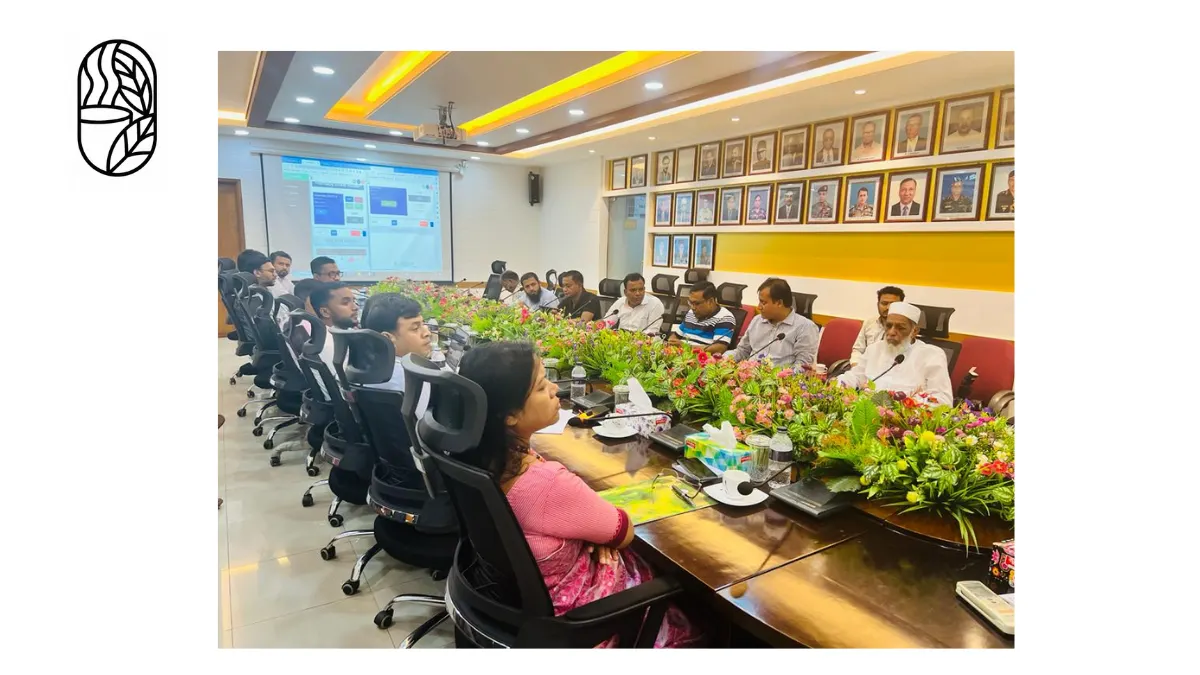
Bangladesh tea trading is connected with important tea-producing and commercial areas.
Sreemangal is closely associated with Bangladesh’s established tea-growing heritage and tea trade.
Chattogram is an important tea trading and auction location, particularly for many CTC and black tea supply routes.
Panchagarh is also relevant to northern tea production and tea trading activity.
Auction schedules and operating requirements can change. Customers and businesses should check the latest information from the official Bangladesh Tea Board before relying on an old schedule or licence condition.
Public information about Bangladesh’s tea sector is available at:
How Tea Moves Through the Auction System
Step One: Tea Is Produced
The journey begins in a tea garden or tea-growing area. Fresh leaves are plucked and sent for processing.
The final tea may become:
- CTC Black Tea
- Leaf Black Tea
- Orthodox Tea
- Green Tea
- White Tea
- Oolong Tea
The intended tea style determines how the leaves are handled.
Step Two: Tea Is Processed
The tea is processed according to its category.
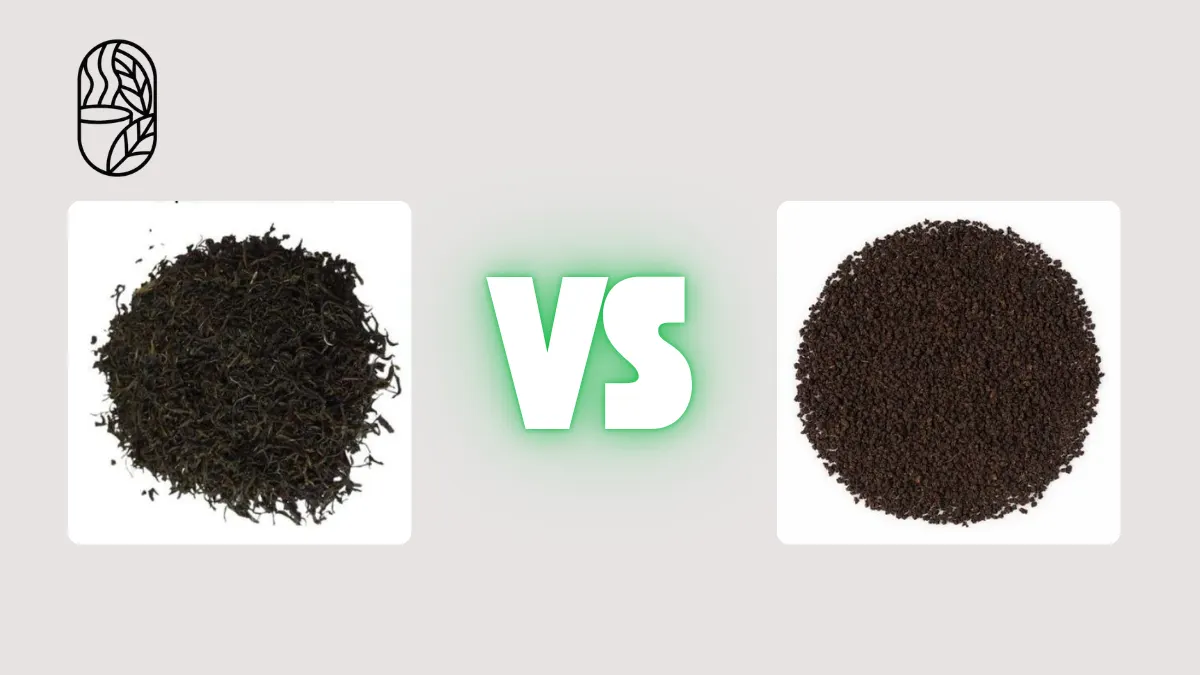
CTC tea is crushed, torn and curled into small granules.
Orthodox tea retains more visible leaf structure.
Green tea is processed to preserve a fresher leaf character.
White tea generally receives gentler handling.
Oolong tea is partially oxidised according to the intended style.
Step Three: Tea Is Graded
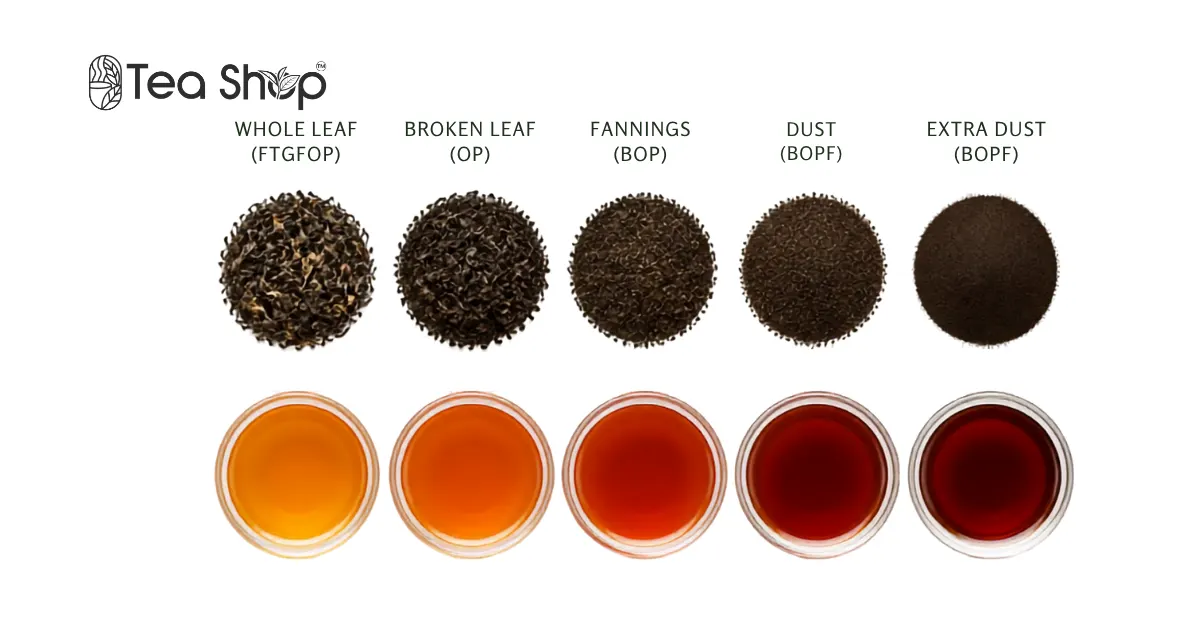
After processing and drying, tea may be graded according to:
- Particle size
- Leaf appearance
- Bud content
- Colour
- Cleanliness
- Aroma
- Liquor character
- Intended use
A smaller particle does not automatically mean low quality. CTC granules are intentionally small so that they release colour and strength quickly.
A larger leaf does not automatically guarantee a superior cup either. Freshness, processing, storage and brewing remain important.
Step Four: Tea Is Presented as a Lot
Processed tea is grouped into lots for sale.
A lot may be connected with:
- A tea garden
- A factory
- A production batch
- A tea category
- A grade
- A quantity
Commercial buyers may review the lot’s appearance, aroma, strength, liquor character, source, quantity and market demand.
Step Five: Buyers Bid or Purchase
Eligible buyers participate according to the relevant auction rules and business requirements.
The purchase price can be affected by:
- Tea grade
- Season
- Available quantity
- Buyer demand
- Market conditions
- Producer reputation
- Tea category
- Intended customer segment
The auction price is only one part of the final cost paid by a consumer.
Step Six: Tea Moves to the Next Business
After auction purchase, tea may move to:
- A wholesaler
- A licensed bidder
- A packer
- A blender
- A retailer
- A restaurant supplier
- An online tea business
The next business may store, blend, repack or distribute the tea according to its legal permission and business model.
Tea Licences and Legal Compliance for Tea Auction Business in Bangladesh
A business cannot simply enter a tea auction, buy commercial lots and sell packaged tea without considering the applicable licences and approvals.
The exact requirements depend on the business activity, turnover, product type, premises, packaging method and current rules. A tea auction buyer, wholesaler, retailer and blender may not require exactly the same permissions.
Before starting or expanding a tea auction business, confirm the current requirements with the Bangladesh Tea Board, BSTI, NBR, trademark authority, local authority and a qualified professional.
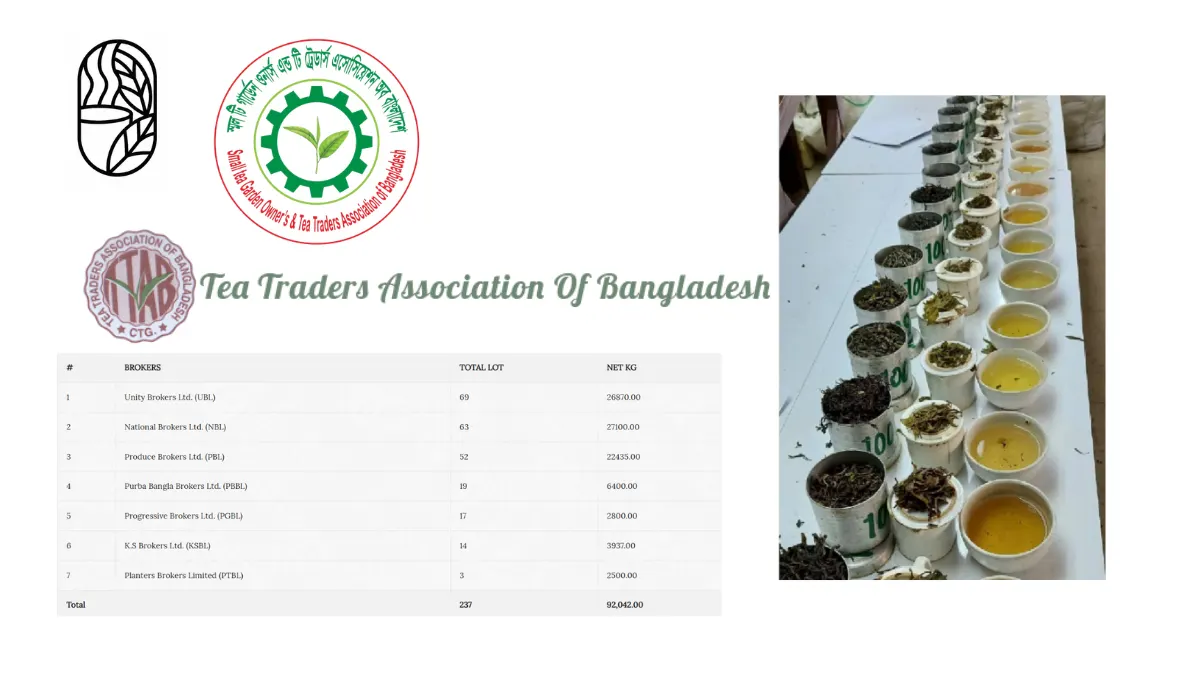
Bangladesh Tea Board Tea Licence
A business intending to participate in a Bangladesh tea auction generally needs the relevant Tea Board licence or approval.
The Tea Board licence helps establish that the business is authorised to operate within the applicable tea trading framework.
The application may involve business information, premises details, ownership documents, tax information and other supporting documents. The exact requirements may change, so the latest Tea Board instructions should be followed.
Retail and Wholesale Tea Licence
Tea businesses may operate as retail sellers, wholesale sellers or both.
A wholesale tea business supplies tea in larger commercial quantities to other businesses. A retail tea business sells tea directly to consumers.
The required permission, registration or licence may depend on:
- Business activity
- Local authority
- Tea Board rules
- Premises
- Wholesale or retail status
- Packaging activity
- Current regulatory structure
The business should clearly identify whether it is operating as a retailer, wholesaler or both.
Bidder Licence and Association Membership
A tea auction bidder generally needs the applicable bidder licence or approval to participate in the auction process.
The bidder may also need to be a member of the relevant tea auction or bidder association, depending on the current rules and operating structure.
This is important because buying tea at auction is not the same as purchasing a retail packet from a shop. Auction participation is a regulated commercial activity.
Businesses should confirm:
- Bidder licence requirements
- Application documents
- Security or financial conditions
- Association membership rules
- Renewal requirements
- Auction-specific procedures
Blender Licence for Packaged Tea
If a business blends different teas or prepares a tea blend for sale, a blender licence may be required.
This is especially relevant when the business:
- Combines tea from different lots
- Creates a named blend
- Mixes tea with flowers or herbs
- Produces a flavoured tea blend
- Repackages a commercial blend
- Markets a blended product under its own brand
A business that only resells sealed products may have a different compliance position from a business that opens, blends and repacks tea.
Therefore, the packaging and blending activity should be declared accurately before applying for the relevant permission.
BSTI Requirements
Packaged tea may be subject to BSTI standards, certification or other product compliance requirements depending on the product category and current mandatory list.
BSTI-related compliance may involve:
- Product standard
- Testing
- Certification
- Label information
- Packaging requirements
- Factory or premises information
- Sample submission
- Quality control documents
Before selling packaged tea, confirm whether the specific tea product or blend falls under a mandatory BSTI requirement.
Businesses should check the current BSTI mandatory product list and obtain professional guidance where necessary.
Official BSTI information is available at: BSTI
Trade Mark Registration
A tea business should protect its brand name, logo, product identity and distinctive packaging where appropriate.
Trade Mark registration can help protect:
- Business name
- Tea brand
- Logo
- Product line
- Distinctive brand identity
- Selected packaging elements
Before investing heavily in packaging or advertising, check whether the proposed brand name is available and whether a similar mark already exists.
Trademark protection is separate from Tea Board licensing, BSTI compliance and VAT registration.
VAT, BIN and Tax Compliance
A tea business may need VAT registration, turnover tax enlistment or a BIN according to its business activity and applicable turnover rules.
The exact tax treatment depends on current NBR rules, business structure, turnover and the nature of the supply.
Businesses should maintain:
- Purchase records
- Auction documents
- Sales invoices
- Packaging expenses
- Stock records
- Tax documents
- VAT or turnover tax records
- Customer invoices
NBR provides official VAT and BIN information through its website:
Because VAT thresholds and procedures can change, businesses should verify the current requirement instead of relying on old articles or informal advice.
Trade Licence and Business Documents
A tea business may also need a local Trade Licence and standard business documents.
Depending on the structure, this may include:
- Trade Licence
- TIN
- BIN or VAT registration
- Business bank account
- Company or partnership documents
- Rental or premises documents
- Warehouse information
- Factory or blending facility documents
- Employee and safety records, where applicable
The exact list depends on whether the business is a retailer, wholesaler, auction bidder, blender, manufacturer or online seller.
Auction Tea vs Directly Sourced Tea
Tea Shop BD may use both auction sourcing and direct sourcing.
Auction-Sourced Tea
Auction tea passes through an organised trading route. It may provide access to tea from different gardens, factories and grades.
Directly Sourced Tea
Direct sourcing means tea is obtained from a garden, producer or verified supplier without following the same auction route for every batch.
Tea Shop BD directly sources selected tea from:
- Sreemangal gardens
- Northern-region gardens
- Verified producers
- Selected local suppliers
Is One Route Better?
Not automatically.
Ask these questions:
- Is the origin clear?
- Is the licence and sourcing process appropriate?
- Is the tea fresh?
- Is the product properly stored?
- Is the processing suitable?
- Does the description match the tea?
- Is the seller transparent?
Auction tea and directly sourced tea can both provide value when correctly handled and legally sold.
How Licensing Can Affect Retail Price
Licensing and compliance are part of running a legal tea business.
Business costs may include:
- Tea Board licence
- Bidder licence
- Association membership
- Retail or wholesale permission
- Blender licence
- BSTI testing or certification
- Trademark registration
- Trade Licence
- VAT or tax compliance
- Premises and warehouse costs
- Packaging
- Labour
- Transport
- Storage
- Delivery
- Online business costs
These costs may affect the final retail price. However, a higher price alone does not prove that a tea is better.
Customers should compare net weight, tea type, origin, processing, freshness, packaging and brewing value.
How Auction Tea Reaches an Online Customer
The complete route may look like this:
Tea garden → Factory processing → Grading → Tea Board-compliant auction or direct sourcing → Licensed buyer → Blender or packer, where applicable → BSTI and labelling compliance, where applicable → Tea Shop BD → Courier → Customer
Not every product follows every stage. A sealed product may not require the same blending process as a tea blended and packed under a new brand.
The product page should make the available facts clear without overstating the sourcing route.
What Customers Should Check Before Buying Packaged Tea
Before buying, check:
- Tea name
- Tea category
- Bangladesh origin
- Region
- Ingredients
- Net weight
- Batch or product information
- Packaging condition
- Brewing instructions
- Storage guidance
- Current price
- Delivery details
If a tea contains flowers, herbs, fruit or flavouring, the ingredient information should be clear.
Frequently Asked Questions
Do you need a licence to participate in a Bangladesh tea auction?
Yes, a business generally needs the relevant Bangladesh Tea Board licence or approval and must meet the applicable bidder and auction requirements.
Is bidder association membership required?
Depending on the current auction structure and rules, a bidder may need membership of the relevant bidder or auction association. Confirm the current requirement with the Tea Board and association.
Is a retail or wholesale licence needed?
A business selling tea commercially may need the applicable retail, wholesale or business permissions. The exact requirements depend on the activity and current regulations.
Do tea blenders need a blender licence?
A business that blends or prepares tea blends for sale may need the relevant blender licence or approval. Confirm the requirements before blending and packaging products.
Is BSTI approval required for packaged tea?
It may be required depending on the product category, mandatory standards and current BSTI rules. Businesses should check the current BSTI mandatory list before selling packaged tea.
Why is Trade Mark registration important?
Trade Mark registration helps protect a tea brand name, logo and other distinctive brand elements. It is separate from Tea Board and BSTI compliance.
Is VAT or BIN required for a tea business?
VAT, turnover tax and BIN requirements depend on current NBR rules, business activity and turnover. The business should verify its current obligations with NBR or a qualified tax professional.
Is auction tea always better than direct tea?
No. Quality depends on the actual tea, processing, freshness, storage and brewing, not only on the purchase route.
Is auction-sourced tea imported?
No. Bangladesh tea auctions trade locally produced tea. Auction-sourced tea can still be Bangladesh-origin.
How should auction-sourced tea be stored?
Keep the tea in an airtight container away from moisture, sunlight, steam, heat and strong kitchen odours.
Where can I buy Bangladesh-origin tea?
Explore Tea Shop BD’s online tea collection and check each product page for origin, ingredients, pack size, sourcing information, current price and delivery details.
Final Thoughts
A Bangladesh tea auction is not simply a place where tea is sold. It is part of a regulated supply chain that connects tea gardens, factories, licensed buyers, wholesalers, blenders, packers, retailers and customers.
Businesses that want to participate in tea auctions or sell packaged tea must consider the relevant Tea Board licence, retail or wholesale permission, bidder licence, association membership, blender licence, BSTI requirements, Trade Mark protection, Trade Licence, VAT/BIN and other applicable compliance.
The exact requirements can vary according to business activity and current law. Therefore, licences and approvals should be confirmed with the relevant authority before starting commercial operations.
Tea Shop BD helps customers explore Bangladesh-origin tea sourced through gardens, auctions, producers and verified suppliers. Clear origin, responsible sourcing, legal compliance and accurate product information help create a safer and more trustworthy tea supply chain.