

50g
Original price was: 390.00৳ .370.00৳ Current price is: 370.00৳ .
149 in stock
SKU TSBD-16753-50G
Tea at a glance
From the source
Harvested during early spring when tea shoots are packed with natural sugars, these tender buds undergo a rare smothered-yellowing phase to remove grassiness and lock in a sweet, mellow character.
Flavor profile
Aroma: Warm toasted rice, sweet hay, and delicate dried fruit
Liquor: Bright Apricot-Gold / Luminous Pale Amber
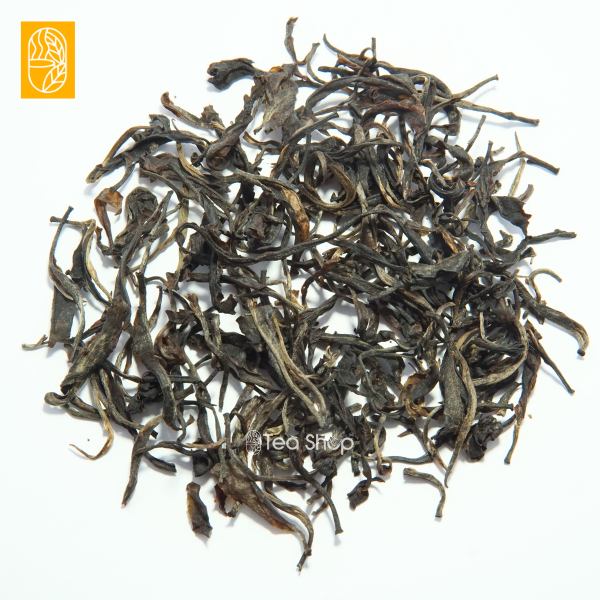
Expert tasting noteSlender, yellow-greenish leaves with golden downy tips. Infuses into a luminous, sparkling apricot-gold liquid.
How to brew
Steep 6g in 1L cold water in the refrigerator for 6 to 8 hours for a sweet, silky, low-caffeine iced tea.
Steep 3g in 200ml spring water cooled to 75°C–80°C for 3 to 4 minutes.
Freshness and care
| Weight | 100 kg |
|---|---|
| Tea Package | 50g, 100g, 200g, 500g |
Choose your pack
149 in stock
SKU TSBD-16753-50G
150 in stock
SKU TSBD-16753-100G
150 in stock
SKU TSBD-16753-200G
150 in stock
SKU TSBD-16753-500G
Product story
Yellow Tea is one of the distinctive traditional categories of true tea made from the leaves of Camellia sinensis.
Although many tea drinkers are familiar with green tea and black tea, Yellow Tea is considerably less common. Its identity comes from its characteristic processing and the mellow sensory profile that develops as the leaves are transformed.
Tea Shop BD offers Yellow Tea for tea drinkers who want to explore beyond familiar everyday tea and experience a smoother, more delicate style of loose-leaf tea.
Its defining qualities are its yellow-to-golden liquor, mellow character, smooth mouthfeel and delicate aroma.
Yellow Tea is Yellow Tea—a distinct category of tea.
It should not be treated simply as another name for Green Tea, Black Tea, White Tea, Golden Tea or a herbal infusion.
Like green, white, oolong and black teas, Yellow Tea belongs to the broader family of teas produced from Camellia sinensis. What distinguishes these categories is largely how the harvested leaves are processed.
Scientific reviews classify Yellow Tea separately and identify a characteristic yellowing or sweltering stage as an important part of traditional Yellow Tea processing.
No.
Yellow Tea and Green Tea share some similarities in processing, but Yellow Tea traditionally includes an additional yellowing stage.
Research describes this stage as producing meaningful changes in the leaf’s chemical and sensory profile, including changes associated with colour, taste and aroma.
So although someone familiar with Green Tea may notice certain similarities, Yellow Tea deserves to be understood as its own tea category.
Yellow Tea production varies according to producer, leaf material and regional tradition, so one exact manufacturing recipe should not be presented as universal.
In traditional Yellow Tea processing, however, a key distinction is the yellowing stage, sometimes described as sweltering.
Research reviews indicate that this additional stage distinguishes Yellow Tea processing from Green Tea processing and contributes significantly to its characteristic colour and flavour.
Temperature, moisture, duration and ventilation during yellowing can all affect the final tea.
Important: This describes Yellow Tea processing generally. Unless Tea Shop BD has documented processing records for this specific batch, we do not claim that every production parameter described in academic literature is exactly the method used for this product.
Yellow Tea is generally appreciated for a mellow and smooth cup.
The Tea Shop BD product is presented around a balanced sensory experience rather than excessive strength.
You can expect a cup characterised by:
Mellow character
Smooth mouthfeel
Delicate aroma
Lightly sweet impression
Yellow-to-golden liquor
The final cup can vary depending on tea quantity, water temperature and steeping time.
Tea is also an agricultural product, so natural batch-to-batch variation is normal.
The characteristic appearance of Yellow Tea is closely associated with its processing.
Scientific research indicates that yellowing causes changes in chlorophyll and other chemical constituents and contributes to significant changes in both colour and flavour.
A 2023 scientific review describes Yellow Tea’s characteristic appearance, mild-sweet aroma and mellow taste as closely connected with the yellowing process.
The colour of your actual brewed cup can still vary with leaf quantity, brewing temperature, steeping time, water composition and the particular batch.
| Feature | Yellow Tea | Green Tea |
|---|---|---|
| Source | Camellia sinensis | Camellia sinensis |
| Tea category | Yellow Tea | Green Tea |
| Characteristic processing | Includes yellowing stage in traditional processing | Generally does not include Yellow Tea’s yellowing stage |
| Typical character | Mellow and smooth | Varies from fresh/vegetal to sweet or nutty |
| Liquor | Often yellow to golden | Can vary from pale yellow to greenish |
| Availability | Relatively uncommon | Widely available |
Neither category is automatically “better.” They offer different tea experiences.
Yellow Tea contains naturally occurring tea compounds, including polyphenolic compounds such as catechins.
Research into Camellia sinensis teas shows that processing affects the concentration and composition of these compounds. Yellowing, specifically, can alter catechins and other constituents rather than simply preserving the same chemical profile as Green Tea.
The word antioxidant, however, should not be interpreted as evidence that drinking Yellow Tea can prevent or cure a particular disease.
Food chemistry research and evidence from clinical medicine are not the same thing.
Yellow Tea has attracted scientific interest because of its chemical constituents, but human clinical evidence specifically for Yellow Tea remains limited compared with the large amount of research available for tea more generally.
A scientific review devoted specifically to Yellow Tea discusses antioxidant, anti-inflammatory and other potential biological activities. Much of this evidence comes from experimental research rather than proof that drinking Yellow Tea treats disease in humans.
Another review published in 2023 discusses Yellow Tea’s bioactive compounds and potential biological activities while also identifying the need for further research into mechanisms and functional factors.
Laboratory research has examined the antioxidant activity of Yellow Tea extracts and how the yellowing stage changes bioactive compounds.
One study found that different yellowing durations altered polyphenols, catechins, amino acids, soluble sugars and other compounds. Antioxidant capacity changed as well.
This supports discussion of antioxidant activity in laboratory research.
It does not justify claiming that a cup of Yellow Tea will prevent cancer, reverse ageing or cure disease.
Some laboratory studies and reviews have investigated tea compounds in cancer-related experimental models. But laboratory activity against cultured cells is not the same as demonstrating that drinking Yellow Tea prevents or treats cancer in people.
For example, one Yellow Tea study examined HepG2 liver-cancer cells and found that changing yellowing duration did not significantly change the extracts’ ability to inhibit cell proliferation.
Therefore Tea Shop BD should not advertise Yellow Tea as a cancer treatment or cancer-prevention product.
You may encounter claims online that Yellow Tea is automatically “better for digestion” or always safe on an empty stomach.
We do not make that guarantee.
Individual responses to tea vary, and Yellow Tea naturally contains compounds—including caffeine—that may affect different people differently.
Enjoy it according to your own tolerance rather than treating it as digestive medicine.
Yes.
Yellow Tea is made from Camellia sinensis, and true tea naturally contains caffeine. Reviews of tea chemistry identify caffeine among the important compounds present in processed teas.
The amount in a particular cup is not fixed. It can depend on the leaf material, processing, quantity used and brewing conditions.
For that reason, we do not claim a precise caffeine level for this product without laboratory testing.
Yellow Tea benefits from controlled brewing.
A useful starting recipe is:
Tea: 2–3g
Water: 200ml
Temperature: 80–85°C
Steeping time: 2–3 minutes
If you want a stronger cup, increase the amount of tea slightly before dramatically extending the steeping time.
Yes, depending on the leaves and your preferred strength.
After the first infusion, try another infusion with slightly more time.
Evaluate aroma and flavour rather than relying on a fixed number of infusions, because leaf material and personal preference vary.
We recommend tasting Yellow Tea without milk first.
The mellow character, delicate aroma and yellow-to-golden liquor are easier to appreciate when the tea is served plain.
You can still prepare tea according to personal preference, but milk may mask some of Yellow Tea’s subtler characteristics.
The price of Yellow Tea in Bangladesh can vary according to pack size, availability, sourcing and product quality.
For Tea Shop BD’s current Yellow Tea price, use the pack selector and live price displayed at the top of this product page.
That is more reliable than putting a fixed price into this description, because pack prices and offers can change.
For a broader explanation of market pricing, read our Yellow Tea Price in Bangladesh guide.
Yellow Tea can be a good choice for tea drinkers who:
You do not need to be a tea expert to enjoy it.
Start with a simple brew, taste it plain, and adjust the recipe gradually.
Tea Shop BD makes Yellow Tea available online for customers who want to explore this distinctive tea category.
Select the available pack size above, check the current price and place your order directly from this page.
If this is your first time trying Yellow Tea, pay attention to three things in the cup:
the colour, the aroma and the smooth finish.
That is a better introduction to Yellow Tea than exaggerated claims about rarity, luxury or miracle health effects.
Common questions
Yellow Tea is a distinct category of true tea made from Camellia sinensis. Traditional Yellow Tea processing includes a characteristic yellowing stage that contributes to its colour, aroma and mellow flavour.
No. Yellow Tea and Green Tea share some processing similarities, but Yellow Tea is recognised as a separate tea category and traditionally includes an additional yellowing or sweltering stage.
The name is associated with the characteristic yellow appearance developed through Yellow Tea processing, including the colour of the processed leaves and brewed liquor.
Yellow Tea is generally known for a mellow and smooth character. Tea Shop BD's Yellow Tea is presented with a delicate aroma, smooth mouthfeel and lightly sweet impression.
The brewed liquor can range from yellow to golden. Exact colour varies with the tea, amount used, water, temperature and steeping time.
Start with approximately 2–3g of Yellow Tea per 200ml of water at 80–85°C. Steep for about 2–3 minutes, strain and adjust subsequent brews according to taste.
Yes. Yellow Tea is made from Camellia sinensis and naturally contains caffeine. The amount in a cup varies with the leaf and brewing conditions.
Yellow Tea contains naturally occurring tea polyphenols and other bioactive compounds that have been studied for antioxidant and other biological activities. However, human clinical evidence specifically for Yellow Tea is limited, so it should not be promoted as a treatment or cure for disease.
There is no reason to guarantee that Yellow Tea is suitable for everyone on an empty stomach. Individual tolerance to tea and caffeine varies. If tea causes stomach discomfort, consume it with or after food or seek appropriate medical advice when necessary.
You can buy Yellow Tea online directly from Tea Shop BD. Select an available pack size on this product page to see the current price and ordering options.
Customer feedback
3 approved WooCommerce ratings

So far best tasting loose-leaf Yellow Tea I have found. I ordered a trial bag which was reasonably priced and the bag itself was sturdy and easy to reseal. I will be ordering again.

Love this tea. The shipping is fast and the tea itself is delicious, lasts a while, and is a great value. This is my 4th order and this product is a staple for me now.

This tea has a wonderful taste and the price is reasonable.

Add a review