
Tea freshness is easier to judge when you stop looking for one perfect sign.
A bright colour is not enough. A strong smell is not enough. A premium label is not enough. Even a recently packed tea can disappoint if it was exposed to heat, moisture or strong odours, while an older properly stored tea may still brew cleanly and pleasantly.
For most buyers in Bangladesh, the useful question is not whether a leaf was “freshly plucked.” The tea you buy online or from a shop is usually processed dry tea. So the practical question is:
Does this processed tea still show the aroma, dryness, cleanliness and cup character expected from its type?
The most reliable way to answer that is to check freshness in three stages: before you buy, when you open the pack, and when you brew the tea.
The Three-Stage Freshness Test
| Stage | What you can realistically check | What you cannot prove yet |
|---|---|---|
| Before buying | Tea type, ingredients, pack size, product information, storage guidance, packaging description, seller clarity | Current aroma, hidden moisture, exact storage history, real cup quality |
| After opening | Aroma, dryness, clumping, visible contamination, whether the tea matches its stated format | Full brewing performance |
| In the cup | Aroma release, clarity, expected strength/body, finish, whether the tea tastes dull or foreign | Exact harvest date or storage history unless documented |
This three-stage approach is more useful than trying to decide freshness from colour, leaf size or price alone.
What “Fresh Tea Leaves” Means for a Buyer
The phrase fresh tea leaves can describe two very different things.
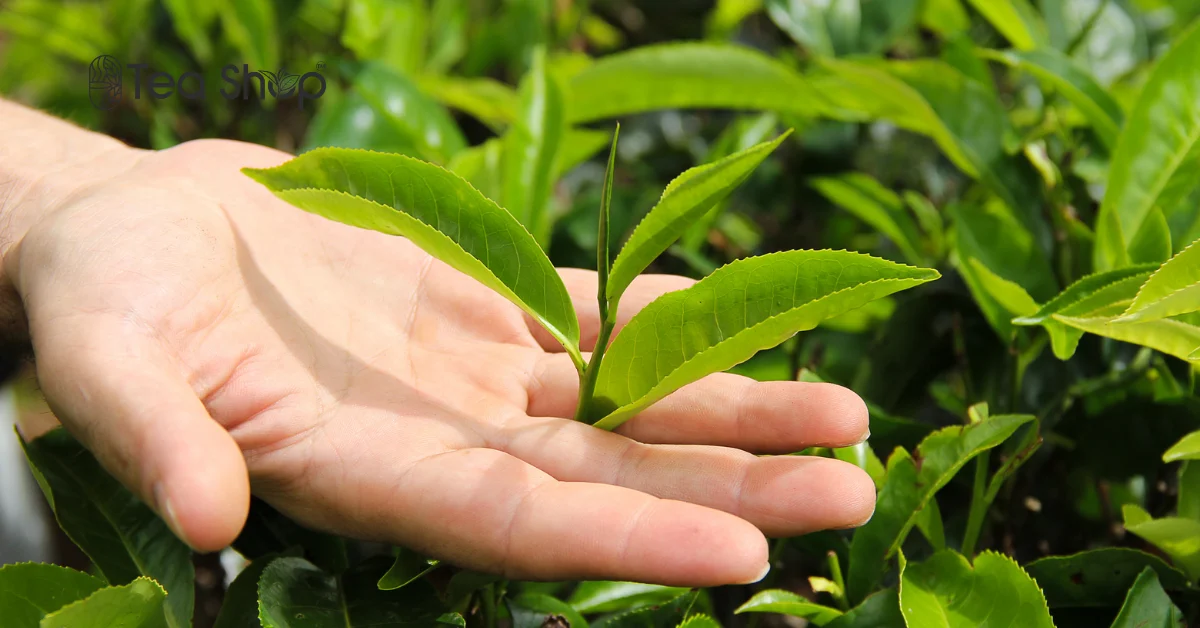
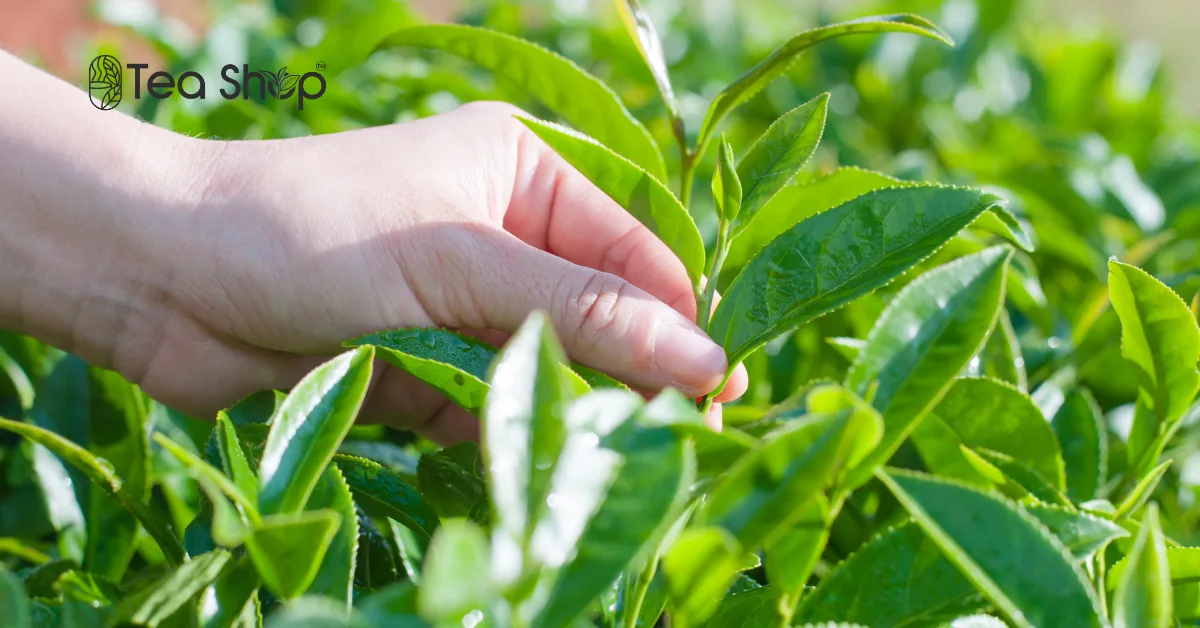
Freshly plucked garden leaf
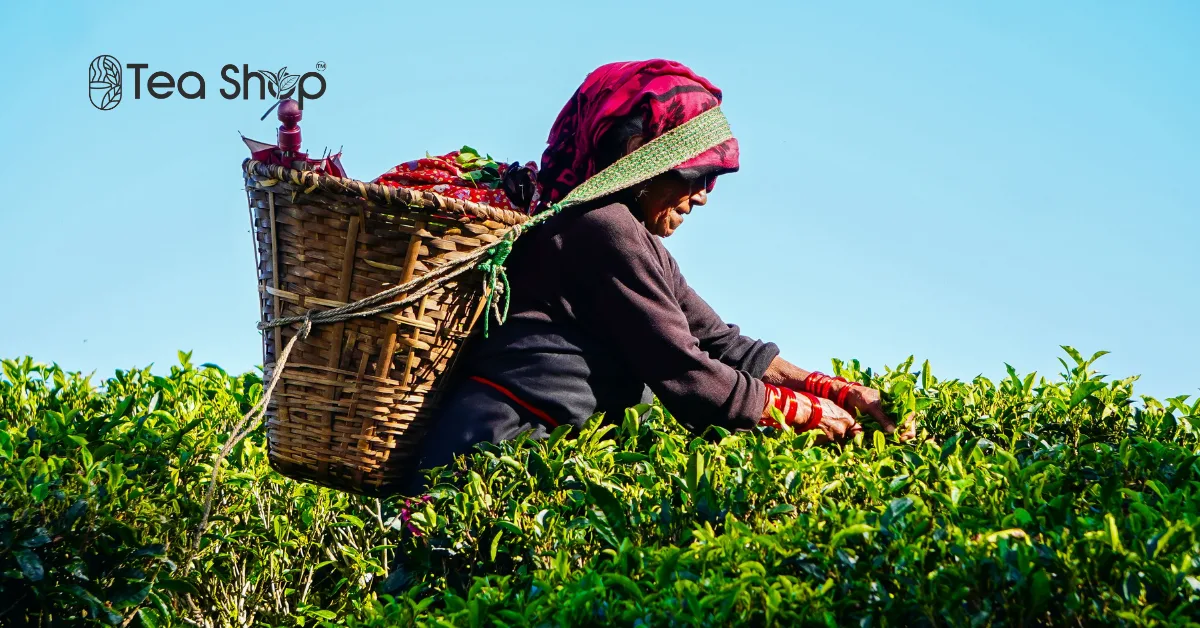
Freshly plucked leaves are the soft leaves and buds collected from the tea plant before processing. They are raw material, not the finished dry tea most customers brew at home.
Fresh processed tea
Processed tea has already gone through steps appropriate to its style, such as withering, rolling, oxidation control, heating, drying, sorting or grading. Black, green, orthodox, white, oolong and CTC teas can therefore look completely different even when all are in good condition.
For a retail buyer, freshness is better understood as retention of intended tea character without obvious damage from moisture, heat, contamination, air exposure or foreign odours.
This distinction matters because a black tea does not need to look green to be fresh, and a CTC tea does not need large leaves to be good.
Stage 1 — Before You Buy: Look for Evidence, Not Promises
You cannot smell or brew an unopened online order, but you can still judge how much useful information the seller provides.
Start with tea identity
A trustworthy listing should make it clear whether the product is:
- CTC black tea;
- leaf black tea;
- green tea;
- orthodox tea;
- white tea;
- oolong tea;
- a flavoured blend;
- a fruit infusion;
- or another clearly identified product.
This matters because each style has a different normal appearance and brewing behaviour. If you want a broader explanation of how categories differ, use Tea Shop BD’s Tea Brewing Guide in Bangladesh as a separate reference rather than trying to judge every tea by the same standard.
Check whether the product page explains storage and packaging
Look for practical information such as:
- net weight;
- ingredients;
- storage guidance;
- packaging description;
- brewing instructions;
- current stock status;
- origin information where confirmed.
Packaging language alone does not prove freshness, but a listing that explains how the tea is packed and stored gives you more evidence than a listing that only says “premium” or “fresh.”
Use pack size as a freshness decision, not just a price decision
If you drink tea slowly, a smaller pack can be more practical because it is likely to be opened for a shorter period. If you already know the tea and use it daily, a larger pack may make sense.
Do not confuse this article with a pack-price guide: the freshness question is simply whether you can finish the tea while it still performs the way you expect.
What an online photo can and cannot tell you
A photo may help you see:
- whether the product is a granule, broken leaf, whole leaf, bud or blend;
- approximate colour range;
- visible ingredients;
- packaging format.
A photo cannot reliably prove:
- current aroma;
- hidden dampness;
- storage temperature;
- how long the pack has been exposed to air;
- whether the tea tastes stale;
- whether the pictured batch is identical to the one you will receive.
For the full online-ordering process, use the dedicated How to Buy Tea Online in Bangladesh guide. This page only owns the freshness-evaluation part of that decision.
Stage 2 — Open the Pack: Use a 30-Second Sensory Check
Once the pack is open, you have much stronger evidence.
Do not rush immediately to brew. First give the dry tea a short inspection.
1. Smell before you judge appearance
Aroma is one of the most useful freshness clues because storage changes can alter volatile compounds that contribute to tea aroma. Research comparing fresh and stored black tea has found measurable aroma changes over storage time, while storage-temperature research on green tea also shows that storage conditions can affect sensory and chemical quality. See the peer-reviewed studies on green-tea storage temperature and quality and aroma changes in fresh versus stored black tea.
The exact aroma should match the tea style rather than one universal “fresh smell.”
A tea in good condition may smell:
- clean;
- malty;
- floral;
- vegetal;
- toasted;
- sweet;
- lightly roasted;
- naturally earthy;
- or otherwise characteristic of the product.
Be cautious if the tea smells strongly:
- mouldy;
- sour;
- damp;
- musty;
- like wet cardboard;
- like cleaning chemicals;
- or like an unrelated nearby spice or food.
A strong fragrance is not automatically proof of freshness. Flavoured tea may intentionally contain added aromatic ingredients, so always check the ingredient list first.
2. Check whether the tea is properly dry
Processed tea should generally feel dry for its category.
You are looking for tea that is reasonably free-flowing rather than tea that appears wet, sticky or damp.
Warning signs include:
- wet-looking pieces;
- sticky clumps;
- unexpected softness caused by moisture;
- visible condensation inside the pack;
- unusual dampness on the inner surface;
- mould growth.
Do not aggressively crush delicate leaves just to test them. A gentle inspection with a clean, dry spoon is enough.
3. Judge appearance according to the tea type
| Tea type | Normal appearance can include | Freshness mistake to avoid |
|---|---|---|
| Green tea | Green, olive, yellow-green or darker processed leaves | Assuming only bright green tea is fresh |
| CTC black tea | Small dry granules or particles | Rejecting it because the particles are small |
| Leaf / orthodox black tea | Dark, brown, copper-toned, twisted or broken visible leaf | Assuming the largest leaf must be freshest |
| White tea | Pale buds, light leaves, silver-toned material depending on style | Expecting dark black-tea colour |
| Oolong tea | Greenish, brown, darker or rolled leaves depending on processing | Expecting one universal oolong colour |
| Fruit / flavoured blends | Mixed pieces, flowers, fruit, herbs or tea base depending on formulation | Treating every clump or colour variation as spoilage without checking ingredients |
The key question is: does the tea look normal for what the product claims to be?
4. Separate harmless variation from real red flags
Some things look unusual but are not automatically freshness problems.
Not necessarily a problem
- uneven leaf size in a natural loose-leaf tea;
- darker green colour;
- broken leaves where the product is sold as broken leaf;
- small CTC granules;
- mixed colours in a fruit or floral blend;
- light dust inside a product where fine particles are expected.
A stronger warning sign
- visible mould;
- damp clumps that were not part of the product format;
- sour or musty odour;
- insect contamination;
- wet inner packaging;
- foreign material;
- obvious damage that exposes the tea to the environment.
If a tea arrives wet, mouldy or contaminated, do not try to “fix” it by drying or over-brewing it.
Stage 3 — Brew a Controlled Test Cup
Dry-leaf inspection is useful, but the cup is where freshness becomes practical.
A tea can look attractive and still brew flat. Another tea may look visually ordinary yet give a clean, lively cup.
Make the test fair
Before deciding the tea is stale, control the brewing conditions.
Use:
- fresh drinking water;
- a clean kettle and cup;
- a measured amount of tea;
- the recommended water temperature;
- the recommended steeping time;
- no milk, sugar, honey or lemon for the first tasting.
If you are unsure about method, consult the live Tea Brewing Guide in Bangladesh. Bad brewing can make fresh tea taste bad, so freshness should not be judged from an unfair test.
What to notice in the cup
Instead of asking only “Is the colour dark?”, evaluate several signals together:
- aroma release: does the brewed tea smell recognisable and clean?
- clarity: does the cup look normal for the tea type?
- body: does it feel thin, medium or full in a way that matches the style?
- strength: does the tea respond normally to the recommended brew?
- finish: does flavour remain pleasantly after swallowing, or disappear immediately?
- foreign notes: do you notice mustiness, cardboard, dampness or an unrelated odour?
Freshness is not the same as intensity. A delicate white tea can be fresh without being strong. A CTC black tea can be fresh without having large leaves.
Freshness Problem or Brewing Problem?
| What you notice | Possible freshness issue | Possible brewing issue | First thing to test |
|---|---|---|---|
| Cup tastes flat | Aroma loss from storage or age | Too little tea / weak water temperature | Brew again with controlled ratio |
| Cup is very bitter | Not usually a freshness test by itself | Water too hot / steep too long / too much tea | Shorten or cool the brew |
| Tea smells musty | Moisture or odour absorption | Rarely caused by brewing alone | Inspect dry tea and storage condition |
| Colour is lighter than expected | Could be tea style or age | Too little tea / short steep | Check product type and ratio |
| Aroma disappears after opening | Repeated air exposure may contribute | Cup may also be brewed too cool | Compare dry aroma and controlled brew |
| Tea has damp clumps | Moisture exposure | Not a brewing problem | Stop and inspect for spoilage |
If the cup is bitter
Bitterness alone does not prove staleness. Reduce water temperature or steeping time where appropriate before blaming freshness.
If the cup is weak
Check the ratio, cup size and product instructions before deciding the tea is old.
If the cup smells foreign
Compare the dry tea smell with the brewed aroma. If both carry a musty, damp or unrelated odour, storage or contamination becomes a more plausible concern.
Bangladesh Humidity: Freshness Can Change After Delivery
Freshness at the moment of purchase and freshness after three months in a kitchen are not the same thing.
Bangladesh’s warm, humid periods can make careless storage especially damaging. But this article does not own the full storage topic.
For containers, humidity, sunlight, odours, refrigeration questions and after-opening storage routine, use the dedicated Tea Freshness and Storage in Bangladesh guide.
The buyer-level rule here is simple:
Judge the tea when it arrives, then protect that condition after opening.
The Freshness Evidence Ladder
When two signals disagree, give more weight to stronger evidence.
- Marketing words — weakest evidence: “fresh,” “premium,” “garden fresh.”
- Photo and leaf colour — useful for format, weak for true freshness.
- Product information — stronger when ingredients, storage and pack details are clear.
- Dry-leaf aroma and dryness — strong evidence after opening.
- Controlled brewing performance — strongest practical consumer test.
This is why a buyer should not reject a tea only because it is darker than expected—or trust it only because the package looks new.
Freshness Fingerprints by Tea Category
Different teas reveal freshness differently. Keep these as category-specific clues rather than absolute rules.
Green tea: look for clean aroma and controlled bitterness
Green tea may lose its fresh aromatic character when poorly stored, but colour alone is not enough. Use a controlled brew and compare aroma before and after infusion.
You can compare currently available products in the Green Tea collection while checking each product page for its own storage and brewing instructions.
CTC black tea: focus on dryness, clean aroma and normal extraction
Small granules are normal. Freshness is better judged by whether the granules are dry, clean-smelling and able to produce the expected cup without foreign notes.
For strong everyday black-tea formats, see the CTC Black Tea collection.
Leaf and orthodox tea: do not confuse large leaves with freshness
Visible leaf structure can help you identify format, but not freshness by itself. Aroma, dryness and brewed performance matter more than leaf size alone.
White tea: light does not mean stale
A pale liquor and gentle aroma can be completely normal. Do not compare white tea strength with CTC black tea.
Fruit and flavoured tea: read ingredients before judging aroma
Fruit pieces, flowers, spices or added flavouring can change both appearance and aroma. If a product is intentionally blended, a strong fragrance may be part of the formulation rather than evidence of extra freshness.
A 10-Point Freshness Scorecard for Buyers
Use this as a practical decision aid, not a laboratory test.
| Check | Pass if… | Concern if… |
|---|---|---|
| 1. Tea identity | Type and ingredients are clear | Listing is vague |
| 2. Pack information | Net weight and current product details are shown | Basic information is missing |
| 3. Storage guidance | Seller explains how to protect the tea | No storage information |
| 4. Dry aroma | Clean and characteristic | Musty, sour, damp or foreign |
| 5. Dryness | Leaves/particles are dry and reasonably free-flowing | Wet, sticky or damp clumps |
| 6. Appearance | Matches the stated tea type | Obvious contamination or mould |
| 7. Brewing method | You can test with proper instructions | No meaningful preparation guidance |
| 8. Cup aroma | Clear and recognisable | Flat, stale or foreign after a fair brew |
| 9. Cup balance | Performs plausibly for its tea style | Unusual dullness despite correct brewing |
| 10. After-opening care | You can reseal and store it properly | Pack will remain exposed to humidity/odours |
A product does not need to “look perfect” in every visual sense. The scorecard is meant to prevent one weak clue from overpowering all the others.
What Freshness Does Not Prove
Freshness is important, but it is not a universal quality ranking.
A fresh tea is not automatically:
- the highest grade;
- the most expensive;
- the strongest;
- the darkest;
- the best tea for milk;
- the best tea for every buyer;
- medically beneficial in a guaranteed way.
For the broader question of what “premium” should mean, read What Is Premium Tea in Bangladesh? rather than treating freshness as a synonym for premium quality.
When You Should Not Use the Tea
Do not consume a tea simply because you do not want to waste it.
Stop and investigate if you notice:
- visible mould;
- wet or unexpectedly damp tea;
- insect contamination;
- unusual sour or rotten smell;
- foreign material;
- a damaged package with obvious contamination;
- any other sign that the product may no longer be suitable for use.
Tea that merely tastes less aromatic is not automatically unsafe. But mould, wet contamination and obvious spoilage are different from normal staleness.
If an order arrives damaged, document the condition and contact the seller rather than trying to hide the problem with stronger brewing.
Five Questions to Ask Before Ordering an Unfamiliar Tea
- What exactly is the tea type?
- What ingredients are in it?
- How is it meant to be stored after delivery?
- What brewing method should I use for the first test cup?
- Is the pack size sensible for how quickly I will drink it?
These questions are more useful than asking only, “Is this fresh?” because they produce information you can actually verify.
If you want to compare the current product range, use the Tea Shop BD Shop and then open the individual product page before ordering.
Frequently Asked Questions
How can I tell if tea is fresh immediately after opening the packet?
Start with aroma and dryness. The tea should smell clean and appropriate for its type, and it should not appear wet, mouldy or unusually damp. Then brew a controlled test cup using the recommended method. Freshness is easier to judge from the combination of dry aroma, physical condition and brewing performance than from colour alone.
Should fresh green tea always be bright green?
No. Processed green tea can appear green, olive, yellow-green or darker depending on processing, leaf style and storage. Bright colour is not a universal freshness test. Aroma, dryness, cleanliness and the brewed cup provide stronger evidence.
Does a strong smell prove that tea is fresh?
No. A strong aroma may come from the tea itself, from intentional flavouring, or from absorbed external odours. Check the ingredient list and ask whether the smell is clean and appropriate for the product rather than simply strong.
Is loose leaf tea automatically fresher than CTC, dust or tea bags?
No. Format and freshness are different questions. Loose leaf tea can become stale if badly stored, while a sealed smaller-particle tea can remain in good condition. Judge packaging, aroma, dryness and brewing performance instead of assuming one format is always fresher.
Can humidity damage tea after I open it in Bangladesh?
Yes. Repeated exposure to humid air, steam and wet utensils can affect dry tea. Close the pack promptly, use a dry spoon and follow proper storage guidance. For the full routine, use Tea Shop BD’s dedicated freshness-and-storage guide rather than relying on this buyer-identification article alone.
Why does my fresh-looking tea taste flat?
Possible causes include poor storage, an older or aroma-depleted batch, unsuitable water, too little tea, incorrect temperature or an overly short steep. Repeat the brew under controlled conditions before deciding the tea is stale.
Can old tea still be usable?
Loss of aroma is not the same as spoilage. Tea can become less enjoyable before it becomes unsafe. However, visible mould, wet contamination, insect activity or unusual sour/rotten odours are warning signs. When there is a genuine safety concern, do not consume the tea merely to avoid waste.
What is the best way to compare freshness between two teas?
Compare like with like. Use two teas of a similar category, brew each according to appropriate instructions, use the same water and cup size, and taste without additions first. Record aroma, dryness, body, clarity and finish rather than comparing only colour.
The Freshness Rule Worth Remembering
Do not ask one clue to do the work of five.
A colour cannot prove freshness. A large leaf cannot prove freshness. A high price cannot prove freshness. A new-looking packet cannot prove freshness.
Use the evidence in sequence:
product information → dry aroma → dryness → category-appropriate appearance → controlled brewing performance
That sequence gives Bangladesh buyers a practical way to evaluate tea without relying on exaggerated claims or one visual shortcut.