
What is Orthodox Tea?
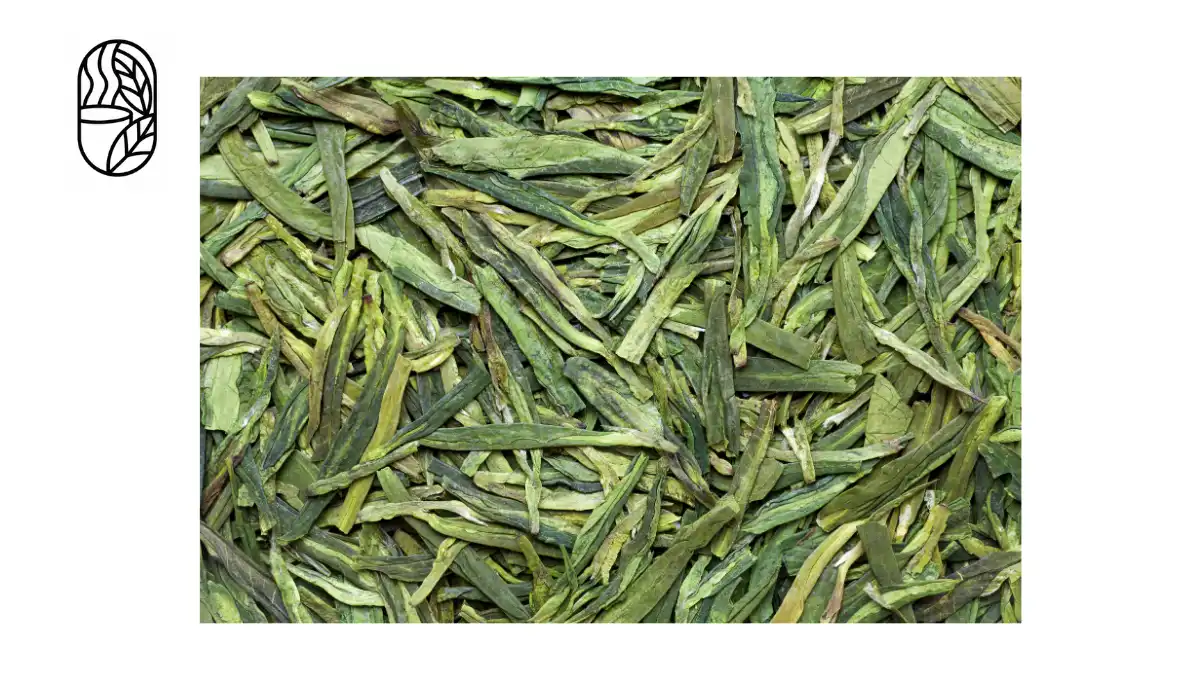
Orthodox tea is a traditional style of tea produced through a careful manufacturing process that preserves the natural shape and character of each tea leaf. Instead of using aggressive mechanical methods, orthodox processing focuses on maintaining the integrity of the leaves, allowing them to develop their full aroma, flavor, and complexity. As a result, orthodox tea is widely appreciated by tea enthusiasts who value a refined and authentic tea-drinking experience.
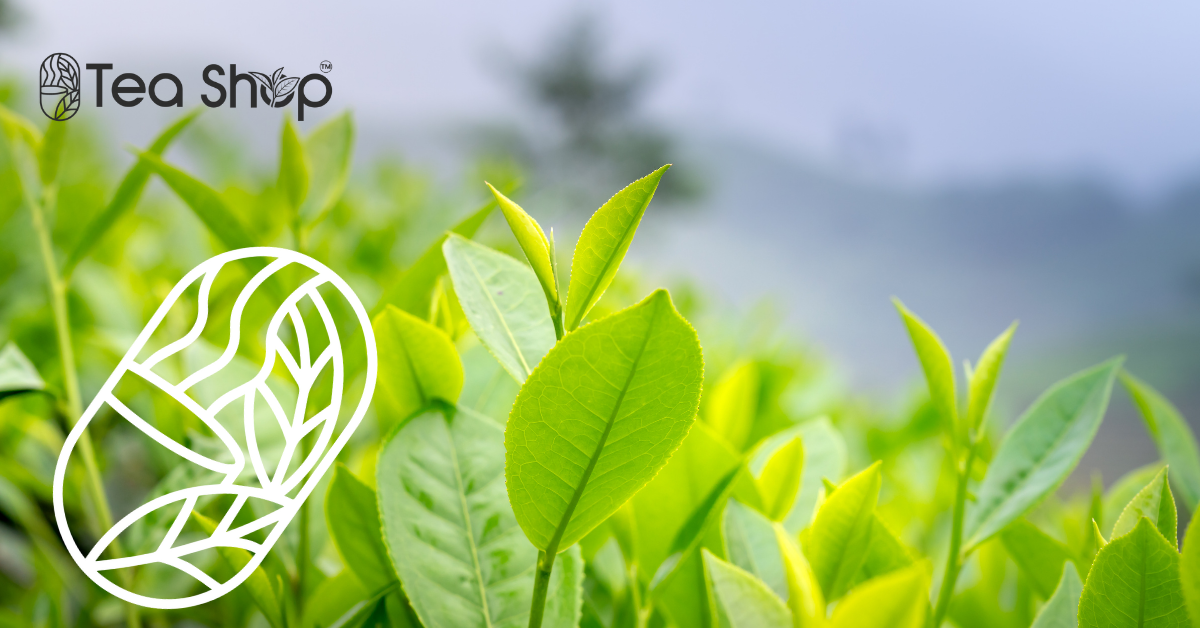
Today, premium orthodox tea is produced in several tea-growing countries, including Bangladesh, India, Sri Lanka, Nepal, China, Kenya, Japan, and Taiwan. Every region offers its own unique taste profile, influenced by factors such as climate, altitude, soil conditions, tea cultivar, and traditional processing techniques.
Among these origins, Bangladesh Orthodox Tea has earned increasing recognition for its bright liquor, smooth body, balanced flavor, and naturally pleasant aroma. Tea-producing regions such as Sreemangal, Sylhet, Panchagarh, Chattogram, and the Chittagong Hill Tracts contribute to the country’s growing reputation for producing high-quality orthodox teas that appeal to both local consumers and international tea lovers.
If you’re searching for the best orthodox tea price in Bangladesh, it’s worth understanding that prices vary based on several factors, including tea grade, harvest season, flush, origin, leaf quality, and craftsmanship. While premium orthodox tea may cost more than ordinary tea, it often offers a richer aroma, cleaner taste, greater complexity, and an overall more enjoyable tea experience making it a worthwhile choice for those who appreciate exceptional quality.
Types Of Orthodox Tea
Orthodox tea is produced in many tea-growing countries around the world, with each origin offering its own distinctive flavor, aroma, and character. Climate, altitude, soil, tea cultivar, and manufacturing techniques all contribute to the unique identity of each tea.
Bangladesh Orthodox Tea
Bangladesh is home to some exceptional orthodox teas, particularly from Sreemangal, Sylhet, Panchagarh, Chattogram, and the Chittagong Hill Tracts. Bangladeshi orthodox tea is appreciated for its bright liquor, balanced body, smooth texture, and naturally sweet aroma. As the country’s tea industry continues to evolve, premium Bangladeshi orthodox teas are gaining increasing recognition among tea enthusiasts both locally and internationally.
Darjeeling Orthodox Tea (India)
Often referred to as the “Champagne of Teas,” Darjeeling orthodox tea is celebrated for its delicate floral aroma, muscatel notes, and elegant complexity. It is one of the world’s most famous premium black teas.
Assam Orthodox Tea (India)
Assam orthodox tea is known for its rich body, malty character, bold flavor, and deep amber liquor. It is widely enjoyed as a breakfast tea and is also used in many premium tea blends.
Nilgiri Orthodox Tea (India)
Grown in the Nilgiri Hills of southern India, this tea offers a smooth cup with floral fragrance, fruity notes, and a refreshing finish.
Ceylon Orthodox Tea (Sri Lanka)
Sri Lankan orthodox tea is recognized worldwide for its bright copper-colored liquor, lively flavor, and refreshing character. Different elevations produce teas with distinct taste profiles.
Nepal Orthodox Tea
Nepal’s high-altitude orthodox teas are known for their clean, mellow, floral, and naturally sweet flavors. They share certain characteristics with Himalayan teas while maintaining their own unique identity.
Chinese Orthodox Tea
China produces a wide variety of orthodox teas, including black, green, white, oolong, and specialty teas. Chinese orthodox teas are famous for their refined craftsmanship and complex flavor profiles, ranging from floral and fruity to nutty, roasted, and smoky.
Kenyan Orthodox Tea
Although Kenya is widely recognized for CTC tea production, the country also produces excellent orthodox teas with bright liquor, brisk character, and vibrant flavor that continue to gain popularity in international specialty tea markets.
Japanese Orthodox Tea
Japan is primarily known for green tea, but several producers also manufacture orthodox-style teas using traditional processing methods. These teas are valued for their fresh, clean, and delicate flavor profiles.
Other Orthodox Tea Origins
Orthodox tea is also produced in several other tea-growing countries, including Taiwan, Vietnam, Indonesia, Thailand, Turkey, Rwanda, Malawi, Uganda, Georgia, and Argentina. Each region contributes unique characteristics shaped by its terroir, climate, and tea-making traditions.
Every Origin Has Its Own Character
No single country produces the “best” orthodox tea for every tea lover. Each origin offers its own personality—from the floral elegance of Himalayan teas and the rich maltiness of Assam to the balanced smoothness of premium Bangladeshi orthodox teas. Exploring teas from different regions is one of the most rewarding parts of the tea journey.er divided into subcategories based on the specific growing region, processing method, and flavor profile.

Orthodox Tea Health Benefits
Orthodox tea is valued not only for its refined taste and natural aroma but also for the beneficial plant compounds it contains. When enjoyed as part of a balanced lifestyle, orthodox tea may contribute to overall well-being. Although no tea should be considered a cure or replacement for medical treatment, regular tea consumption has been associated with several potential health benefits.
Rich in Natural Antioxidants
Orthodox tea naturally contains antioxidants such as polyphenols and flavonoids. These plant compounds help protect the body’s cells from oxidative stress caused by free radicals. A diet rich in antioxidants may support long-term health and healthy aging.
Supports Mental Focus
Orthodox tea contains a moderate amount of natural caffeine along with L-theanine, an amino acid found in tea leaves. This unique combination may help improve alertness, concentration, and mental clarity while promoting a calm and balanced state of mind without the sudden energy crash often associated with highly caffeinated drinks.
May Support Heart Health
Several studies suggest that regularly drinking tea as part of a healthy lifestyle may help support cardiovascular health. The natural antioxidants found in tea may contribute to maintaining healthy blood vessel function and overall heart wellness.
Helps Support the Immune System
Tea contains naturally occurring bioactive compounds that may help support normal immune function. While orthodox tea is not a substitute for medical care, enjoying it regularly can be part of a healthy daily routine.
Promotes Digestive Comfort
Many tea drinkers find orthodox tea soothing after meals. Its natural compounds may help support healthy digestion and contribute to overall digestive comfort when consumed in moderation.
May Support Healthy Weight Management
Unsweetened orthodox tea is naturally low in calories, making it a suitable beverage for people following a healthy eating plan. Combined with a balanced diet and regular physical activity, it can be a refreshing alternative to sugary drinks.
Supports Healthy Skin
The antioxidants present in orthodox tea may help protect skin cells from everyday environmental stress. Staying hydrated and maintaining a healthy lifestyle, together with regular tea consumption, may contribute to healthier-looking skin.
A Naturally Refreshing Beverage
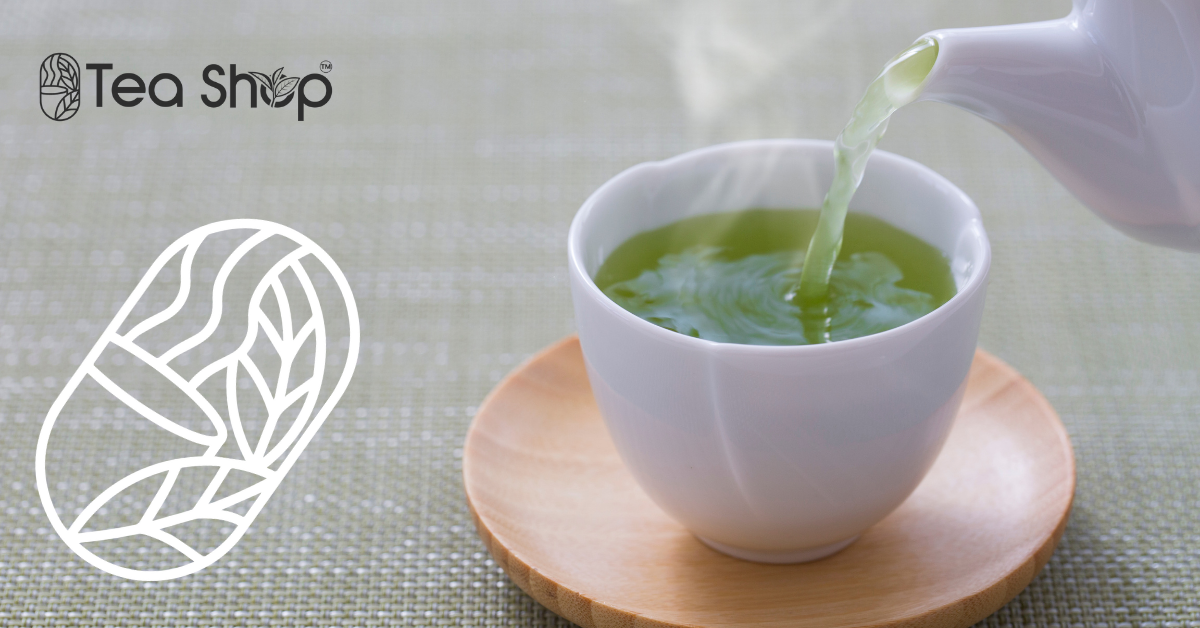
One of the greatest benefits of orthodox tea is its ability to provide a satisfying, flavorful drink without artificial additives. Its rich aroma, complex flavor, and smooth finish make it an enjoyable choice throughout the day.
Enjoy in Moderation
Like all caffeinated beverages, orthodox tea is best enjoyed in moderation. Individual caffeine tolerance varies, and people who are pregnant, breastfeeding, sensitive to caffeine, or have specific medical conditions should seek personalized advice from a qualified healthcare professional before making significant dietary changes.
Note: The information provided above is for educational purposes only and should not be considered medical advice. Orthodox tea can be part of a healthy lifestyle, but it is not intended to diagnose, treat, cure, or prevent any disease.e consumed in moderation as part of a balanced diet. Additionally, it’s best to consult with a doctor before incorporating orthodox tea into your diet, especially if you have any medical conditions or are taking any medications.
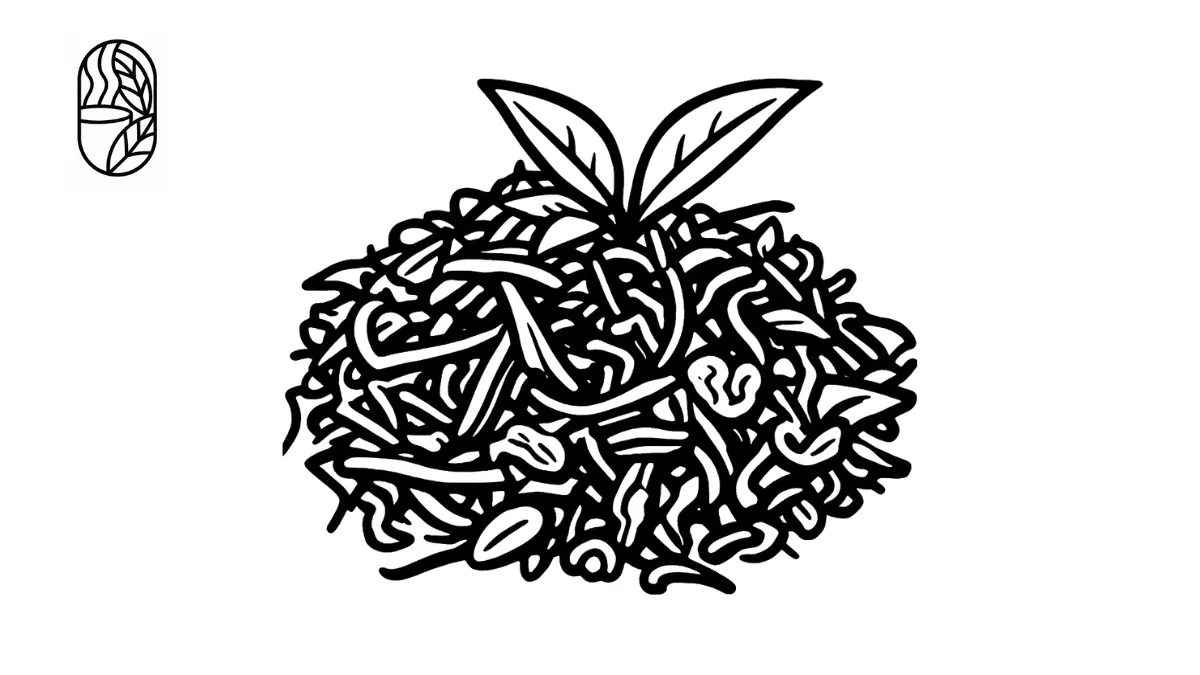
Orthodox Tea vs CTC Tea: What’s the Difference?
Orthodox tea and CTC (Crush, Tear, Curl) tea are two of the most widely used tea-processing methods in the world. While both come from the same Camellia sinensis tea plant, the way the leaves are processed creates noticeable differences in appearance, flavor, aroma, brewing style, and overall tea experience.
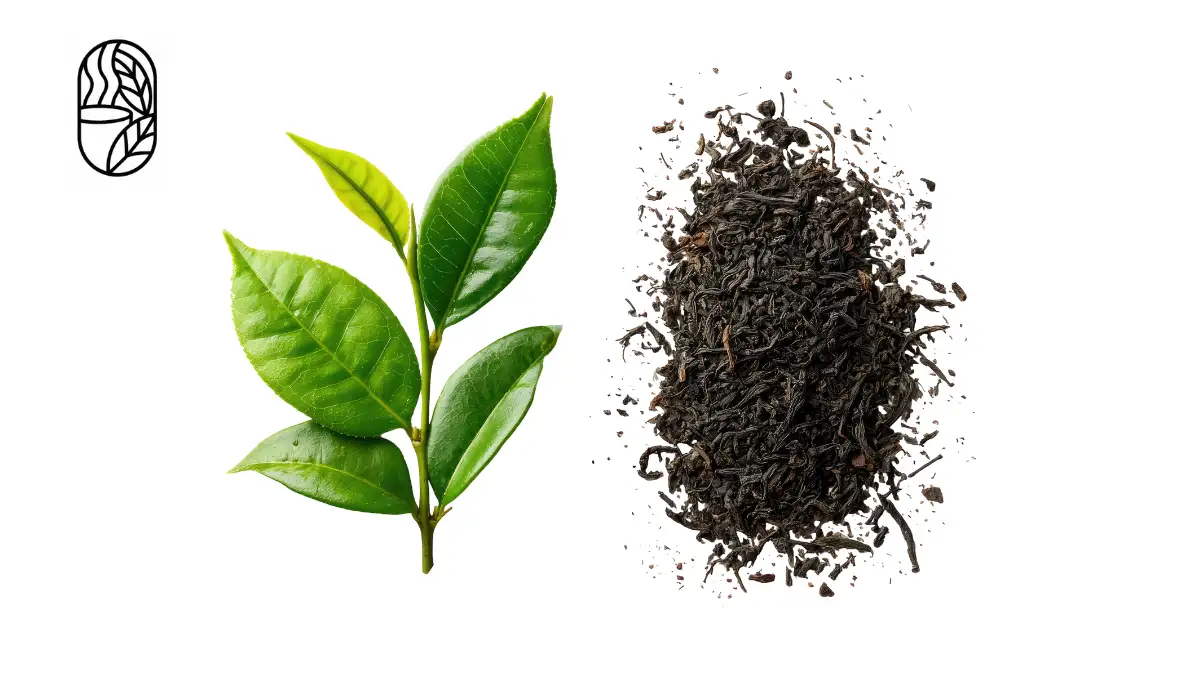
Orthodox tea is produced using traditional processing techniques that preserve the natural shape and character of the tea leaves. The leaves are carefully withered, rolled, oxidized (for black tea), dried, and sorted with minimal damage to their structure. This process helps retain the tea’s natural complexity, allowing each cup to develop layered flavors and distinctive aromas.
Orthodox tea is often chosen by tea enthusiasts who appreciate a smooth, balanced, and refined drinking experience. Premium orthodox teas are produced in many tea-growing regions, including Bangladesh, India, Sri Lanka, Nepal, China, Kenya, and Taiwan, with each origin offering its own unique flavor profile.
CTC stands for Crush, Tear, and Curl, a mechanical manufacturing process that transforms tea leaves into small, uniform granules. This method is designed for efficiency and produces tea that brews quickly with a bold color, strong body, and brisk taste.
Because of its consistency and fast infusion, CTC tea is widely used for everyday milk tea, tea bags, and commercial tea blends. It is particularly popular among people who prefer a stronger and more robust cup of tea.
Orthodox Tea vs CTC Tea Comparison
| Feature | Orthodox Tea | CTC Tea |
|---|---|---|
| Processing Method | Traditional leaf processing | Mechanical Crush, Tear & Curl process |
| Leaf Appearance | Whole or partially rolled leaves | Small uniform granules |
| Flavor | Smooth, complex and layered | Bold, strong and brisk |
| Aroma | Rich and naturally aromatic | Strong but generally less complex |
| Brewing Time | Slightly longer | Quick brewing |
| Best Enjoyed | Plain or with minimal additions | Commonly served with milk and sugar |
| Tea Experience | Premium and refined | Everyday strong tea |
Which One Is Better?
Neither orthodox tea nor CTC tea is universally “better”—the right choice depends on personal preference and how you enjoy your tea.
If you appreciate delicate aromas, layered flavors, and a more traditional tea-drinking experience, orthodox tea is an excellent choice. If you prefer a stronger, quicker-brewing cup that pairs well with milk and sugar, CTC tea may be more suitable.
Many tea lovers enjoy keeping both styles at home, choosing orthodox tea for moments of relaxation and CTC tea for a bold everyday cup.
Tea Shop BD Tip: Whether you choose orthodox or CTC tea, always select high-quality tea from a trusted source. Freshness, proper storage, careful processing, and expert selection have a significant impact on the flavor and overall tea experience.
Orthodox Tea In Bangladesh
Orthodox tea is a type of tea that is made using traditional tea-making methods, including hand-picking the leaves, withering, rolling, and oxidation. In Bangladesh, orthodox tea is grown in the hilly regions of the country, such as Sylhet and Chittagong.
Bangladesh produces both black tea and green tea, and the orthodox tea produced in Bangladesh is known for its high quality and distinctive flavor. The country has a rich history of tea cultivation, and orthodox tea has long been an important part of the economy and culture of Bangladesh.
Orthodox tea is widely consumed in Bangladesh and is a popular beverage for both formal and informal occasions. The tea industry in Bangladesh provides employment to a large number of people, from tea garden workers to tea traders, and is an important source of income for many families in the country.
Overall, orthodox tea is an important part of the culture and economy of Bangladesh and continues to play a significant role in the lives of many people in the country.

Orthodox Tea Price In Bangladesh
The price of orthodox tea in Bangladesh depends on several important factors, including the tea’s origin, leaf grade, harvest season, processing method, and overall quality. Premium orthodox teas are carefully crafted to preserve the natural character of the tea leaves, which often makes them more valuable than mass-produced tea.
Bangladesh produces excellent orthodox teas in renowned tea-growing regions such as Sreemangal, Sylhet, Panchagarh, Chattogram, and the Chittagong Hill Tracts. Each region offers its own distinctive flavor, aroma, and appearance, contributing to differences in quality and price.
Another factor that influences the price is the type of tea you choose. Specialty grades, whole-leaf teas, limited seasonal harvests, and carefully selected premium batches generally command higher prices due to their superior flavor, aroma, and craftsmanship.
Instead of focusing only on price, it is worth considering the overall value of the tea. Freshness, proper processing, expert grading, and careful storage all play an important role in delivering a satisfying tea-drinking experience.
At Tea Shop BD, we believe that premium orthodox tea should offer both exceptional quality and fair value. Our orthodox teas are carefully selected to ensure every cup delivers authentic flavor, natural aroma, and a memorable tea experience. Product prices may vary depending on the tea variety, grade, packaging size, and seasonal availability.
If you’re looking for high-quality orthodox tea in Bangladesh, choosing tea from a trusted source with a commitment to quality is one of the best ways to enjoy the true character of premium orthodox tea.
Note: Orthodox tea prices may change over time due to seasonal harvests, production costs, market conditions, and product availability. For the latest prices and available varieties, please visit the Tea Shop BD product collection or contact our customer support team.
Conclusion
Orthodox tea is more than just a beverage—it’s a tradition of craftsmanship, quality, and authentic flavor. Whether you’re new to premium tea or an experienced tea enthusiast, choosing high-quality orthodox tea can transform your daily tea experience with its rich aroma, balanced taste, and natural character.
If you’re looking for premium Orthodox Tea in Bangladesh, explore carefully selected collections from Tea Shop BD. Every cup reflects our commitment to quality, freshness, and genuine tea craftsmanship.
Frequently Asked Questions (FAQs)
What is Orthodox Tea?
Orthodox tea is made using traditional processing methods that preserve the natural shape of the tea leaves, resulting in a more complex flavor and aroma.
Is Orthodox Tea better than CTC Tea?
Neither is universally better. Orthodox tea offers a smoother and more nuanced flavor, while CTC tea is stronger and brews more quickly. The best choice depends on your personal preference.
Does Orthodox Tea contain caffeine?
Yes. Orthodox tea naturally contains caffeine, but the amount varies depending on the tea type, leaf grade, and brewing method.
Can I drink Orthodox Tea every day?
For most healthy adults, enjoying orthodox tea daily in moderation can be part of a balanced lifestyle.
What affects the price of Orthodox Tea in Bangladesh?
The price depends on factors such as origin, tea grade, harvest season, leaf quality, processing method, packaging, and availability.
How should Orthodox Tea be stored?
Store orthodox tea in an airtight container, away from moisture, heat, strong odors, and direct sunlight to help maintain its freshness and flavor.
Explore Premium Orthodox Tea
Experience the rich aroma, elegant flavor, and authentic craftsmanship of premium orthodox tea. Browse the carefully selected collection at Tea Shop BD and discover your next favorite cup.