


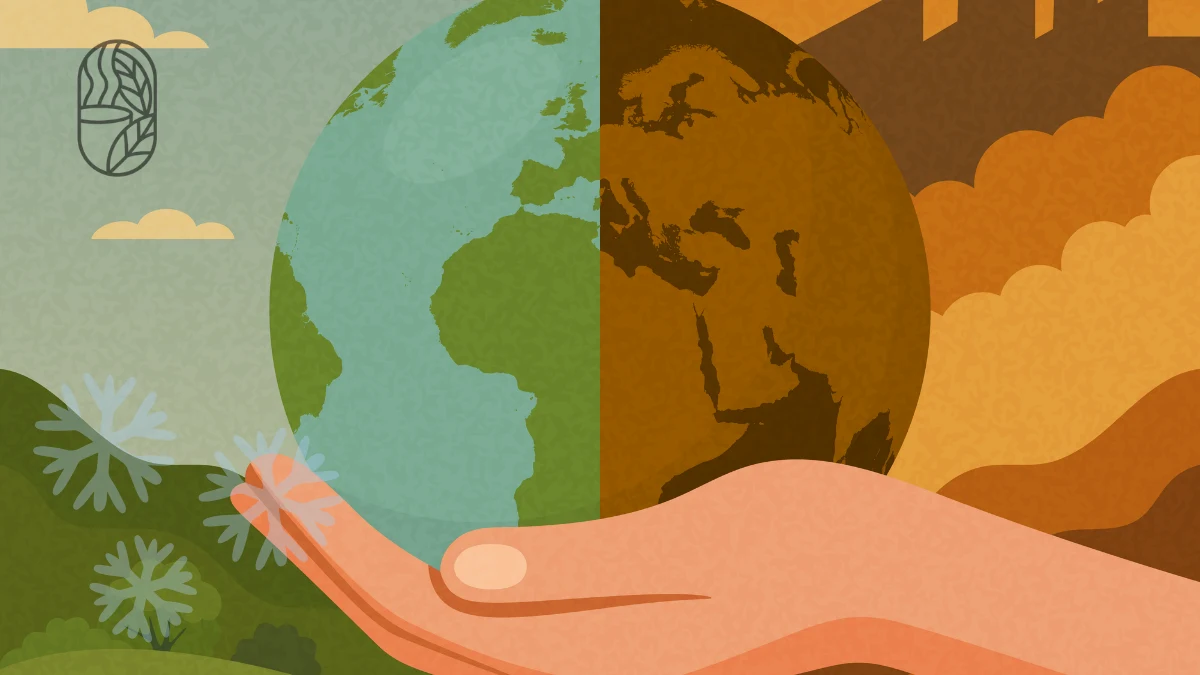
Tea begins with weather long before it reaches your cup. Before tea is rolled, oxidised, dried, graded, packed or brewed, it is a living plant responding to its environment. Rain falls—or does not. Temperatures rise and fall. Sunlight changes. Humidity shifts. Soil holds moisture or loses it. New shoots develop at different rates.
That is why climate matters to tea.
In Bangladesh, tea is grown across long-established eastern tea areas and newer northern production zones. Those places do not experience exactly the same weather throughout the year. Rainfall patterns, dry periods, temperature, soil moisture and local garden conditions can all affect how tea plants grow.
But one distinction is essential from the beginning:
Climate can influence how tea plants grow and the condition of the fresh leaf, but climate alone does not determine the flavour of the finished cup.
Processing still matters. So do cultivar, plucking standard, harvest timing, grading, storage, water quality and brewing.
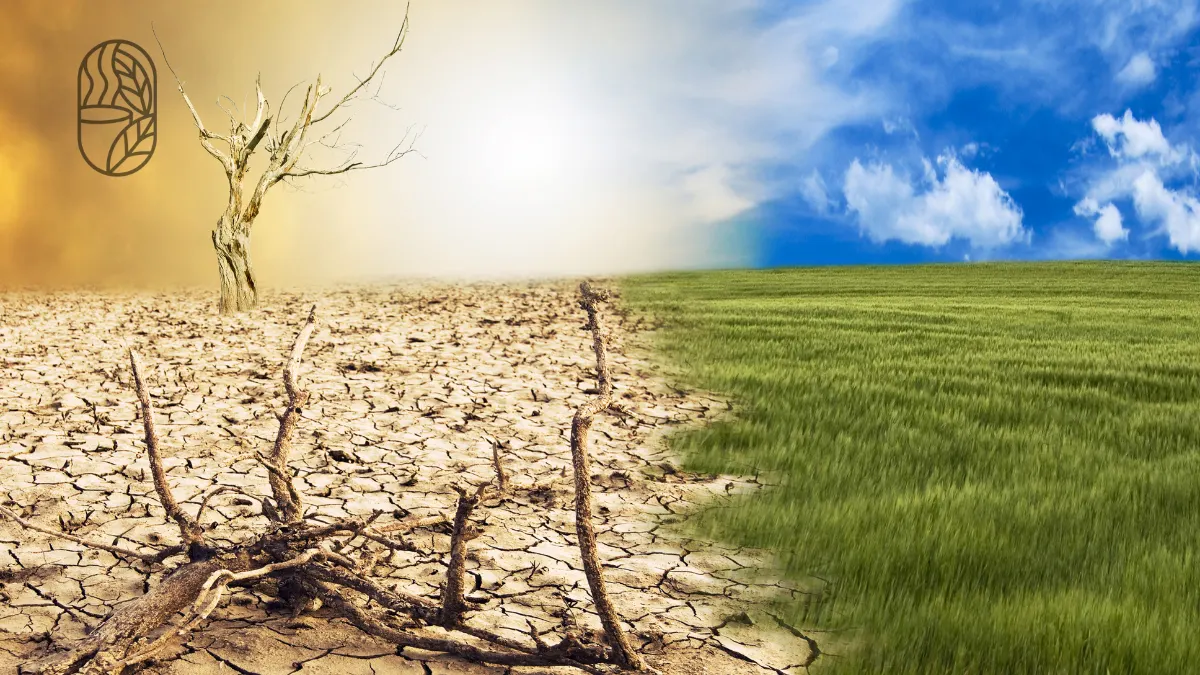
A wet month does not automatically create “better tea.” A hotter region does not automatically produce “stronger tea.” And a tea grown during a dry period cannot be understood from weather alone.
The most useful way to understand climate and tea is to follow the chain:
rainfall → soil moisture → shoot growth → harvest → processing → cup
This guide explains that chain in a Bangladesh-specific way without turning climate into a marketing shortcut.
How Does Climate Influence Bangladesh Tea?
Climate influences tea mainly by shaping the environment in which the plant grows. Important factors include:
- rainfall;
- temperature;
- soil moisture;
- humidity;
- sunlight;
- drought;
- drainage;
- and seasonal weather changes.
The Bangladesh Tea Research Institute (BTRI) treats soil, water, drainage, rainfall and temperature as relevant parts of tea management, while its agronomic work also covers drought, irrigation and shade management.
Bangladesh-focused research has also examined drought stress and weather-related effects on tea productivity. A peer-reviewed study of Bangladesh tea estates found that drought and weather variability can affect tea production and demonstrated the importance of monitoring plant stress under changing environmental conditions: Remote Sensing study on drought stress in Bangladesh tea estates.
Climate therefore matters enormously to the plant. The final tea in your cup, however, is the result of both agriculture and manufacturing.
Climate and Weather Are Not the Same Thing
The two words are related but not interchangeable.
Weather
Weather describes short-term conditions, such as:
- heavy rain today;
- a very hot week;
- three unusually dry weeks;
- a sudden cooler period;
- or several cloudy days.
Climate
Climate describes the broader pattern of weather experienced over a longer period.
A tea-growing area may generally have a particular rainfall pattern, warmer and cooler periods, a regular monsoon and a seasonal dry phase. Tea plants experience that long-term pattern, but they also respond to short-term weather events.
A garden may sit within a generally favourable tea-growing climate and still suffer during an unusually long dry spell. That helps explain why year-to-year production can vary even when the garden remains in the same place.
The Climate-to-Cup Chain
Climate affects tea through several connected stages.
Stage 1: Weather
Rainfall, temperature, sunlight and humidity create the immediate growing environment.
Stage 2: Soil and Water
Weather influences soil moisture, drainage and water availability around the roots.
Stage 3: Tea Plant
The plant responds through shoot growth, leaf development and stress responses.
Stage 4: Harvest
The amount and condition of pluckable leaf can change according to the growing environment.
Stage 5: Processing
Fresh leaf may be transformed into CTC black tea, orthodox tea, green tea, white tea, oolong or another style.
Stage 6: Brewing
Storage, water quality, temperature and steeping finally determine what the consumer tastes.
The biggest mistake is jumping straight from Stage 1 to Stage 6.
“More rain means better flavour” skips most of the process.
A more accurate statement is:
Rainfall can influence plant growth and fresh-leaf conditions, which then interact with harvesting and processing before they can influence the finished tea.
Rainfall: Tea Needs Water, but More Is Not Always Better
Tea requires adequate moisture for continued growth, so rainfall is one of the most visible climate factors in tea cultivation.
But rainfall should not be treated as one simple annual number.
Three questions matter:
- How much rain falls?
- When does it fall?
- What happens to the water after it reaches the ground?
The third question is often overlooked.
Why Too Little Rain Can Be a Problem
When rainfall remains insufficient for long enough, available soil moisture can fall and tea plants may experience water stress.
New shoot development can slow, and young plants may be particularly vulnerable. Drought can also increase the importance of irrigation, shade and other garden-management decisions.
This is one reason annual rainfall totals can be misleading.
Imagine two years with a similar total amount of rain. In one year, rainfall is reasonably distributed across important growing periods. In the other, most rain arrives in a few intense events followed by long dry spells.
The annual totals may look similar on paper, but the plants do not necessarily experience those years in the same way.
Why Too Much Rain Can Also Create Problems
Tea needs water, but tea roots do not benefit from remaining in badly waterlogged soil.
Depending on terrain, soil and drainage, heavy rainfall can contribute to:
- saturated root zones;
- runoff;
- erosion;
- nutrient loss;
- field-access problems;
- and disruption to normal garden operations.
So when people say “tea loves rain,” a more accurate version is:
Tea requires adequate moisture, but rainfall must interact with suitable soil and drainage conditions.
Rainfall Distribution Matters
Tea is harvested repeatedly rather than once at the end of a single growing cycle. That makes the timing of plant growth important.
A tea garden experiences a sequence of wet, dry, hot and cooler periods, and those conditions can influence how the plant develops through the season.
For buyers, the useful lesson is not to memorise annual rainfall figures. It is to understand that tea production responds to the pattern and timing of weather, not just to a yearly total.
Temperature: Tea Growth Has Limits
Temperature affects plant activity, water demand and seasonal growth.
But temperature should not be reduced to slogans such as:
- hot = good;
- cool = premium.
Temperature can influence:
- the rate of shoot development;
- evaporation;
- plant water demand;
- drought stress;
- seasonal growth;
- and the interaction between heat and soil moisture.
A hot period with adequate soil moisture is not the same growing environment as the same temperature during prolonged dryness.
That is why temperature should almost never be discussed without considering water availability.
Heat and Water Work Together
Consider two tea plants exposed to a similarly hot day.
One has adequate moisture around the roots. The other has been growing in increasingly dry soil for several weeks.
Both experience heat, but the second plant is under a different level of stress.
This interaction matters because climate variables do not operate independently. Temperature, rainfall, soil moisture, shade and plant condition work together.
A useful tea-climate explanation therefore looks at the system rather than one number.
Humidity: Important, but Easy to Oversimplify
Bangladesh tea-growing areas can experience humid conditions, particularly during wetter periods.
But “higher humidity creates better tea” is too simple.
Humidity interacts with:
- temperature;
- rainfall;
- leaf wetness;
- plant health;
- pest and disease pressure;
- and drying conditions.
Its effect cannot responsibly be converted into one universal flavour claim.
Humidity also matters after processing because dry tea needs protection from environmental moisture. That is a separate storage issue and should not be confused with humidity in the garden.

Sunlight and Shade Management
Tea is a plant and requires light for photosynthesis. Commercial tea cultivation, however, is not simply a matter of exposing bushes to the maximum possible sunlight.
Shade management is part of tea agronomy. BTRI includes shade-related management alongside irrigation, drainage and drought management.
Shade can influence:
- local temperature around tea bushes;
- moisture loss;
- exposure to intense sunlight;
- and the garden’s microclimate.
This is another reason two gardens in the same broader region may respond differently to similar weather.
Regional climate matters, but garden management matters too.
Drought: One of the Clearest Climate Risks for Tea
Drought is not simply “a hot day.” It develops when insufficient water availability persists long enough to stress the plant and surrounding growing system.
Bangladesh tea research has examined drought stress directly. Prolonged dry conditions can affect shoot growth, available pluckable leaf, young plants, soil moisture and the need for irrigation or other protective management.
The correct consumer-level conclusion is not “drought tea tastes bad.”
It is:
Drought can change growing conditions and fresh-leaf development; the final sensory result still depends on harvesting and manufacture.
Drainage: The Climate Factor Hidden Under the Ground
Rainfall is visible. Drainage is mostly hidden.
Water reaching a tea garden may:
- soak into the soil;
- run downslope;
- collect in lower areas;
- evaporate;
- or remain around roots.
Soil structure, slope and drainage determine what happens next.
This is where climate and soil meet. Rainfall creates the water-management challenge; soil properties and drainage determine how that water behaves around the root zone.
When Tea Shop BD’s dedicated soil article is published, this climate guide should link to it for deeper discussion rather than duplicating soil texture, acidity and root-zone content.
Bangladesh’s Seasonal Tea-Growing Rhythm
Bangladesh has a strong seasonal weather pattern, and tea plants respond to those changing conditions.
It is more useful to think in broad phases than to assign rigid flavour labels to each season.
The Drier and Cooler Period
During drier periods, water availability can become more limiting. Moisture conditions influence plant growth, and garden management may need to focus more heavily on drought, irrigation and soil-water conservation.
This does not mean “dry-season tea always tastes better” or “winter tea is always premium.” Those are product-level claims that require product-specific evidence.
The Return of Rain and Active Growth
As moisture and warmer growing conditions return, tea plants can move into more active shoot development.
The exact timing varies by place and year. Rainfall pattern, temperature and management all matter.
Fresh leaf can then enter different manufacturing routes. One batch may become CTC black tea; another may become orthodox tea; suitable leaf may be processed as green tea or another style.
Climate influences the agricultural starting point. Processing creates much of the finished tea identity.
The Monsoon Period
Monsoon rainfall can support strong moisture availability, but it also increases the importance of drainage, erosion control and field management.
The relationship is therefore not:
monsoon = automatically best tea
It is:
monsoon = an important growing period with both moisture benefits and water-management challenges
Does Climate Affect Tea Flavour?
Yes—but indirectly and alongside many other variables.
Climate can influence:
- plant growth rate;
- moisture availability;
- leaf development;
- timing of new shoots;
- and stress experienced by the plant.
Those factors shape the fresh leaf entering the factory.
Then processing takes over.
A black tea may undergo withering, rolling or CTC manufacture, oxidation and drying. Green tea is processed differently to limit oxidation. Orthodox tea follows a different mechanical approach from CTC. White tea and oolong have their own processing pathways.
So the final cup is not a direct weather report.
It is the result of:
climate + soil + cultivar + harvest + processing + storage + brewing
That is why Tea Shop BD should avoid unsupported claims such as “this tea tastes floral because it received more rain.”
A more defensible statement is:
Growing conditions can influence leaf development, while the finished flavour also depends strongly on processing and preparation.
Why Bangladesh Tea Regions Can Differ
Tea is grown in more than one part of Bangladesh, and those growing environments do not necessarily share identical rainfall patterns, soils, landscapes or seasonal conditions.
That can contribute to variation in the raw leaf.
But region should never be used as a shortcut for quality.
Do not assume:
- Sreemangal always means one flavour;
- Panchagarh always means another;
- Chattogram tea must be strong;
- or northern tea must be orthodox.
Those statements confuse geography with processing.
For a broader explanation of how buyers should interpret geographic claims, see Tea Shop BD’s Bangladesh Tea Origin Guide for New Buyers.
Climate vs Soil: Which Matters More?
This is the wrong competition.
Climate and soil interact.
Rainfall enters the soil. Soil determines how quickly water drains or remains available. Temperature influences evaporation and plant demand. Shade can alter local conditions. Roots respond inside that combined environment.
Instead of asking “does soil or climate control tea?”, ask:
How does the growing environment work as a system?
That is a more useful way to understand tea agriculture.
Climate vs Harvest Season
Climate creates the conditions. Harvesting is the act of selecting and removing suitable shoots.
Climate may influence how quickly new shoots develop. Harvest timing determines which growth is plucked. Plucking standards and management influence the raw leaf entering production.
These subjects are related, but they should not become duplicate articles. The climate page should explain growing conditions; the harvest-season page should own plucking periods, seasonal harvest timing and buyer-facing harvest questions.
Climate Does Not Determine Tea Grade
Tea grade generally relates to characteristics established during manufacture and sorting.
Depending on the tea style, grading can involve:
- particle size;
- leaf appearance;
- sorting;
- and manufacturing classification.
Climate can affect the raw agricultural material, but it does not automatically assign the grade printed on a finished tea product.
Climate Does Not Decide Whether Tea Is CTC or Orthodox
A rainy region does not automatically produce CTC tea. A cooler region does not automatically produce orthodox tea.
CTC and orthodox refer primarily to processing approaches.
Tea Shop BD should describe a product as CTC, orthodox, green, white, oolong or another type based on verified product information—not on assumptions about regional climate.
What Climate Means for CTC Black Tea
Climate influences the plant before manufacture. CTC processing then changes the physical structure of the leaf and creates a tea designed for relatively quick extraction.
For the consumer, the most useful product information is still tea type, pack size, verified origin where available, brewing guidance and current product details.
Buyers looking for stronger everyday options can explore Tea Shop BD’s Black Tea collection.
Climate provides background knowledge. It should not replace product information.
What Climate Means for Green Tea
Green tea begins with tea leaves grown in the same agricultural environment of rainfall, temperature and soil moisture. The difference comes largely after harvest, when processing is used to limit oxidation compared with black tea.
Tea Shop BD currently carries several green-tea products. Buyers can explore the Green Tea collection or review the product information for BTRI Green Tea.
Those products should be evaluated according to verified sourcing, processing and brewing information. Their names alone should not be used to invent climate or regional claims.
What Climate Means for Orthodox Tea
Orthodox tea preserves a more recognisable leaf form than conventional CTC manufacture.
The raw leaf still begins in the garden. Climate can influence its growth. Harvesting selects the material. Orthodox processing then creates the finished tea.
Tea Shop BD’s live Orthodox Tea page should remain the product-level source for current pack sizes, brewing guidance and verified product details.
The simple rule is:
Climate influences agriculture; processing defines the tea style.
Can Climate Make Tea “Premium”?
Not by itself.
The word premium should not be justified solely by:
- high rainfall;
- cool weather;
- mountain influence;
- seasonal claims;
- or a famous region.
A premium-positioned tea should have evidence behind the positioning. That may include carefully selected leaf, distinctive processing, verified origin, sensory quality, consistency, freshness, protective packaging or another demonstrable characteristic.
Climate can be part of the story. It cannot carry the entire claim.
Does Climate Change Caffeine Levels?
Tea chemistry can vary because of genetics, leaf position, plant age, growing conditions, harvest and processing.
But it would be misleading to look at a region’s weather and confidently predict the caffeine content of a brewed cup.
Brewing introduces more variation through:
- leaf quantity;
- water temperature;
- steeping time;
- and serving size.
Tea Shop BD should therefore avoid unsupported claims such as “hot-climate tea has more caffeine” or “rainy-season tea has less caffeine.”
The dedicated caffeine article should own that search intent.
Does Climate Change Tea’s Health Benefits?
Climate affects plant biology, but that does not justify medical claims.
Tea naturally contains compounds studied in food and nutrition research, and their levels can vary. That does not mean climate can be used to claim that a tea cures disease, guarantees weight loss, prevents diabetes or produces another guaranteed medical outcome.
Agricultural variation is not medical proof.
Tea Shop BD’s health-related content should continue to separate evidence from marketing claims and should never present normal tea as a medical treatment.
Climate Change and Bangladesh Tea
Ordinary seasonal climate and long-term climate change are not the same topic.
Tea is a perennial crop, so long-term changes in rainfall patterns, drought frequency, temperature, extreme weather and water availability can matter to tea-growing systems.
Bangladesh research has examined drought stress and weather-related variables in tea estates. The useful lesson is not to label every unusual season as climate change. It is to understand why long-term resilience and water management matter to a perennial crop.
How Tea Gardens Respond to Difficult Weather
Tea cultivation is managed agriculture. Growers do not simply watch the weather and hope.
Depending on the garden and situation, management can include:
- irrigation;
- drainage;
- shade-tree management;
- pruning;
- soil conservation;
- drought-management practices;
- and selection of suitable plant material.
The effect of climate is therefore partly shaped by how the garden responds.
Two gardens experiencing similar weather may not produce identical outcomes if their soils, plant material, drainage, shade and management differ.
What Climate Information Is Actually Useful to a Tea Buyer?
Most consumers do not need a meteorological report before buying tea.
Five pieces of information are more useful.
1. Verified Origin
Where was the tea actually grown or sourced?
Tea Shop BD explains its sourcing approach on the About Tea Shop BD page and provides more detailed buyer guidance in its origin article.
2. Tea Type
Is the tea CTC black, leaf black, orthodox, green, white or another style?
3. Processing
How was the fresh leaf transformed after harvest?
4. Freshness and Storage
Has the finished tea been properly packed and protected from moisture, heat and strong odours?
5. Brewing
Are you preparing the tea in a way that suits the tea style?
Climate helps explain where the tea story begins. These five points help you decide what to buy and how to enjoy it.
How to Read Climate Claims on Tea Packaging
Be cautious when a product description says “perfect climate.”
Ask what the claim actually means.
Does the seller explain the verified region, growing context, cultivar, harvest or processing? Or is “perfect climate” simply decorative language?
Likewise, phrases such as “mountain climate,” “cool climate,” “monsoon tea” or “high-rainfall tea” should not automatically be treated as quality certifications.
Climate language should add traceable information—not just atmosphere.
A Better Way for Tea Shop BD to Talk About Climate
A weak claim says:
“The perfect Bangladesh climate creates the world’s best tea.”
That is not supportable as a general statement.
A stronger version says:
“Bangladesh tea is grown under seasonal conditions in which rainfall, temperature, soil moisture and garden management influence plant growth. The finished cup is then shaped by harvest, processing, storage and brewing.”
That statement teaches the buyer something and leaves room for real product differences.
Climate and Tea by Region: What We Can Safely Say
Sreemangal and the Wider Sylhet Tea Landscape
Sreemangal and the surrounding tea areas form part of Bangladesh’s long-established tea landscape.
Seasonal rainfall, warm growing periods, soils and garden management contribute to the agricultural context. But not every tea from the wider region tastes the same, and a regional name should never replace verified product information.
Chattogram
Chattogram has an important place in Bangladesh tea history and tea trade.
Climate should not be used to claim that all Chattogram tea must be CTC, strong or dark. Processing must be verified separately.
Panchagarh and Northern Bangladesh
Northern tea cultivation represents a different growing environment from Bangladesh’s traditional eastern tea areas.
Those differences make the north interesting from an agricultural perspective, but they do not justify a fixed flavour stereotype.
Five Climate Myths Tea Buyers Should Ignore
Myth 1: More Rain Always Means Better Tea
Tea needs water, but excessive rainfall and poor drainage can also create problems.
Myth 2: Hotter Weather Always Produces Stronger Tea
Strength in the cup depends heavily on processing, leaf quantity and brewing.
Myth 3: One Region Has One Flavour
Garden, cultivar, harvest and processing can create substantial variation within the same region.
Myth 4: Climate Determines Tea Grade
Grade is primarily a manufacturing and sorting concept.
Myth 5: A Famous Climate Makes Every Product Premium
Premium positioning requires product-level evidence.
A Simple Climate-to-Cup Checklist
When reading climate or origin claims about a Bangladesh tea, ask:
Was the origin verified?
If not, do not build a detailed climate story around it.
Is the claim about the plant or the finished tea?
Do not confuse agricultural conditions with cup flavour.
Is processing explained?
Climate does not tell you whether a tea is CTC, orthodox or green.
Is the claim specific or vague?
“Grown in a famous tea climate” is vague. A verified origin and processing statement is much more useful.
Is climate being used to imply a medical benefit?
If yes, demand evidence.
How This Knowledge Helps You Choose Tea Shop BD Products
You do not need to choose tea by climate alone.
Start with the cup you want.
For a stronger everyday cup, explore Tea Shop BD’s Black Tea collection.
For a lighter plain cup, browse the Green Tea collection.
For visible loose leaf and a slower brewing style, review Orthodox Tea.
For the full current range, pack sizes and availability, use the Tea Shop BD Shop.
Climate knowledge helps you appreciate where tea begins. Product information helps you decide what to buy.
Why Climate Knowledge Makes You a Better Tea Buyer
You do not need to become a plant scientist.
You simply need to stop treating tea as a flavour created inside a packet.
Tea begins as agriculture.
Once you understand that, several things become clearer:
- a regional name is context, not a guarantee;
- dark colour is not proof of climate quality;
- a rainy year does not automatically create better tea;
- a dry year does not mean every batch will taste bad;
- processing matters enormously;
- storage matters;
- brewing matters.
A trustworthy seller should separate what is known about the garden from what is known about the finished product.
That distinction is the foundation of responsible tea education.
Final Thoughts
Climate influences tea in Bangladesh long before the leaves reach a factory.
Rainfall affects water availability. Temperature interacts with plant growth and moisture demand. Drought can place tea bushes under stress. Heavy rainfall makes drainage and soil management important. Shade, sunlight, soil conditions and garden practices interact with the surrounding environment.
But climate is only the beginning of the tea story.
Fresh leaves still need to be harvested. They need to be processed. The finished tea needs to be sorted, packed and stored. Then a buyer needs to brew it properly.
That is why the most accurate answer to how climate influences Bangladesh tea is not:
“Climate creates the flavour.”
It is:
Climate shapes the growing conditions that produce the leaf; harvest, processing, storage and brewing complete the journey to the cup.
Understanding that chain helps buyers appreciate Bangladesh tea without relying on exaggerated regional or climate claims. It also gives Tea Shop BD a stronger foundation for discussing origin and quality with evidence rather than slogans.
Frequently Asked Questions About Climate and Bangladesh Tea
1. How does climate affect tea production in Bangladesh?
Climate affects tea by influencing rainfall, soil moisture, temperature, drought conditions and the rate at which tea plants produce new shoots. Adequate water and suitable growing conditions support plant development, while prolonged drought or poorly managed excess water can create stress. Bangladesh tea research treats drought, irrigation and drainage as important cultivation issues, showing that weather conditions can have practical consequences for production.
2. Does tea need a lot of rainfall?
Tea requires reliable moisture, but simply receiving more rain does not automatically improve production or quality. Rainfall timing and distribution matter, as do soil and drainage. Heavy rain can create runoff or waterlogging problems, while prolonged dry conditions can create water stress. The useful question is whether tea plants have suitable moisture through important growing periods—not whether the annual rainfall total is simply high.
3. Can too much rain damage tea plants?
Excessive rainfall can create problems when water does not drain effectively. Saturated soil, erosion and nutrient loss can affect the growing environment. Tea needs moisture, but roots also require a suitable soil environment rather than continuously waterlogged conditions.
4. How does drought affect tea in Bangladesh?
Drought reduces available water and can stress tea plants, particularly when dry conditions persist. Bangladesh-focused research has examined drought stress in tea estates, while BTRI conducts work related to drought management and irrigation. The exact effect varies according to plant material, soil, garden management and the duration and severity of the dry period.
5. Does climate determine how Bangladesh tea tastes?
Not by itself. Climate can influence plant growth and fresh-leaf development, so it forms part of the background to flavour. But cultivar, harvest, CTC or orthodox processing, oxidation, drying, grading, storage, water and brewing can all change the final cup. Climate should therefore be discussed as one factor rather than used to assign one fixed taste to an entire region.
6. Is monsoon tea automatically better tea?
No. Monsoon rainfall can provide important moisture for tea growth, but heavy rain also increases the importance of drainage and garden management. Tea quality cannot be judged by season alone. The leaf, harvesting standard, processing, storage and brewing all need to be considered.
7. Why can tea-growing regions in Bangladesh produce different teas?
Regions can differ in rainfall pattern, temperature, soil, landscape and seasonal conditions. Gardens can also use different plant material and management practices. After harvesting, manufacturers may process the leaves as CTC, orthodox, green or other tea styles. Regional climate therefore contributes to variation, but processing and product decisions remain major reasons teas can differ.
8. Which Tea Shop BD tea is best for Bangladesh’s climate?
Climate is not the right way to choose a finished tea for drinking. Choose according to the cup you want. Tea Shop BD offers black tea for stronger everyday preparation, green tea for lighter brewing, orthodox tea for loose-leaf exploration and other specialty categories. Verified product information, taste preference, pack size and brewing method should guide the purchase rather than assuming one tea is “best” because of climate.